

Driven by the rapid advancement of synthetic biology in recent years, a growing number of enterprises have transitioned from lab-scale R&D to industrial manufacturing. Nevertheless, many scale-up bottlenecks encountered during fermentation stem not from strain performance itself, but from mismatches between equipment selection and process requirements.
During research and development, manufacturers prioritize iteration speed to expedite strain screening and process optimization. Upon entering pilot scale, the core objective shifts to verifying process scalability. Commercial manufacturing, by contrast, places heavy emphasis on operational stability, cost control and regulatory compliance. Each stage carries distinct priorities, and there is no universal bioreactor design suited to all scenarios.
Single-use and stainless steel bioreactors represent two divergent technical pathways. Single-use systems excel at rapid deployment, seamless product changeover and reduced upfront capital outlay, while stainless steel platforms are optimized for long-term continuous large-scale production. Rational equipment selection is not a simplistic comparison of technological superiority; instead, it hinges on aligning equipment with product lifecycles, process characteristics and corporate development stages to identify the optimal solution for immediate operational needs.
Single-Use vs. Stainless Steel: Two Technologies Address Distinct Fundamental Pain Points
When evaluating the two bioreactor types, most buyers fixate on upfront pricing. Yet the far more critical consideration lies in the unique challenges each technology resolves.
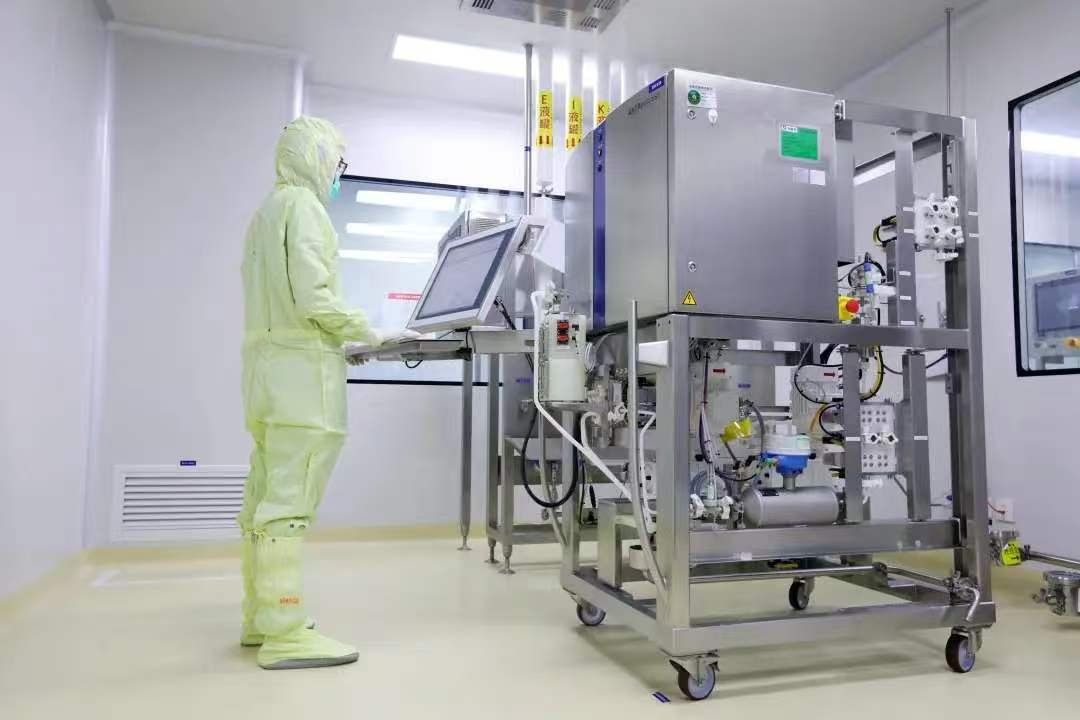
Single-use bioreactors utilize pre-sterilized disposable culture bags as cultivation vessels, which are fully replaced after each batch, eliminating the need for Clean-in-Place (CIP) and Sterilize-in-Place (SIP) cycles. Their greatest merit is not cost savings, but drastically shortened batch turnaround times, reduced equipment preparation workloads and mitigated cross-contamination risks. This flexibility delivers immense value for R&D workflows featuring frequent strain screening and rapid product iteration.
Stainless steel bioreactors feature fixed vessel construction designed for repeated operation via integrated CIP/SIP infrastructure. They demand higher initial capital expenditure and extended installation/validation timelines, yet depreciate over long service lifespans to deliver declining per-batch production costs, rendering them ideal for sustained high-volume manufacturing. These two technologies are not mutually exclusive substitutes; each caters to discrete development phases.
R&D Phase: Why Single-Use Systems Gain Traction Among Manufacturers
For research teams, time-to-data often outweighs equipment utilization efficiency. Conventional stainless steel bioreactors require lengthy post-batch workflows including cleaning, sterilization and validation, extending turnaround intervals between experimental runs. Single-use bioreactors eliminate these overheads: vessels are swapped out, and subsequent batches can commence immediately, drastically accelerating R&D throughput.
Synthetic biology programmed typically involve extensive strain engineering, screening and optimization, with multiple parallel projects running on shared platforms. Single-use hardware enables rapid switching between strains and culture parameters, minimizes cross-contamination hazards and simplifies laboratory facility design. Accordingly, single-use bioreactors have become the preferred option for strain development, media formulation screening and process scouting.
That said, this efficiency advantage does not translate to universal cost-effectiveness. As working volumes scale up, recurring expenses for culture bags, disposable tubing and filter assemblies rise continuously, alongside increased solid waste disposal costs. Single-use bioreactors function best as an efficiency-driving R&D tool rather than a long-term manufacturing solution for all production scales.
Pilot Scale: Selection Centers on Verifying Industrial Scalability
Many operators assume single-use bioreactors suffice for pilot campaigns, yet the core mandate of pilot testing is not merely completing trial batches, but de-risking future commercial scale-up. If stainless steel bioreactors are designated for full-scale manufacturing downstream, pilot workflows should incorporate process conditions mirroring industrial stainless steel hardware at an early stage.
This necessity arises from inherent disparities between single-use and stainless steel reactors in fluid dynamics, mixing performance, oxygen transfer efficiency and heat transfer capacity. Culture processes yielding robust performance at lab scale often fail to retain equivalent titers and stability when transferred to mechanically agitated stainless steel vessels — a discrepancy amplified in high-cell-density fermentation systems such as Escherichia coli and Pichia pastoris, which impose high oxygen demand.
Successful scale-up depends not solely on vessel volume, but critical engineering parameters including volumetric mass transfer coefficient (kla), power input per unit volume (P/V), mixing time and dissolved oxygen (DO) control strategies. Failure to validate these metrics during pilot testing frequently triggers downstream complications such as oxygen limitation, metabolic drift and reduced target product expression.
For projects with clear commercialization roadmaps, parallel validation across single-use and stainless steel equipment at pilot stage is recommended. Comparative operational datasets generate robust engineering benchmarks for subsequent scale-up, avoiding costly process rework post full-scale plant construction.
R&D prioritizes experimental efficiency, where single-use systems act as a powerful enabler; pilot scale prioritizes scalability validation, requiring early alignment with target industrial hardware. The equipment selection logic differs fundamentally between these two phases.
Commercial Manufacturing, Hybrid Strategies & Practical Engineering Capability Considerations
The preceding section outlined the core pain points resolved by single-use and stainless steel bioreactors, alongside selection frameworks for R&D and pilot stages: single-use platforms drive R&D agility, while pilot testing demands alignment with future industrial equipment. This segment expands on commercial manufacturing selection criteria, the viability of hybrid deployment strategies, and why engineering expertise outweighs hardware specifications alone.
Commercial Manufacturing: Focused on Long-Term Stable Operation
Upon entering commercial production, corporate priorities shift from R&D speed to long-run cost efficiency, operational consistency and rigorous quality control.
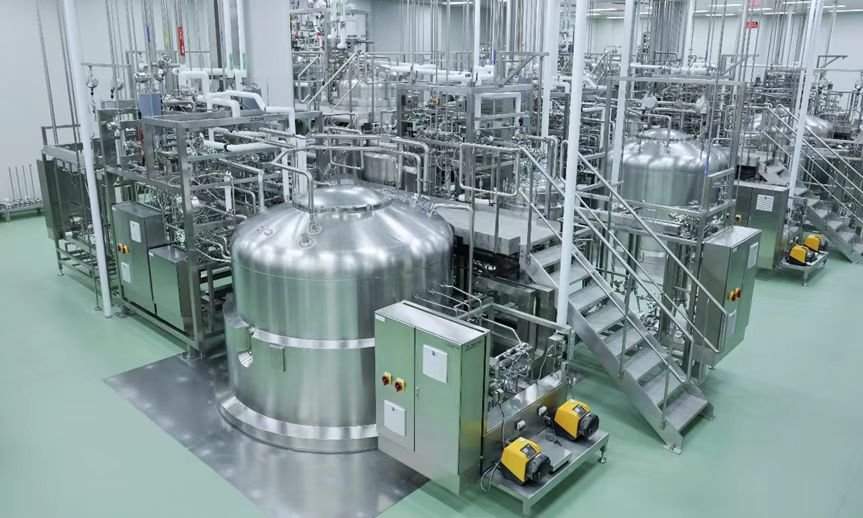
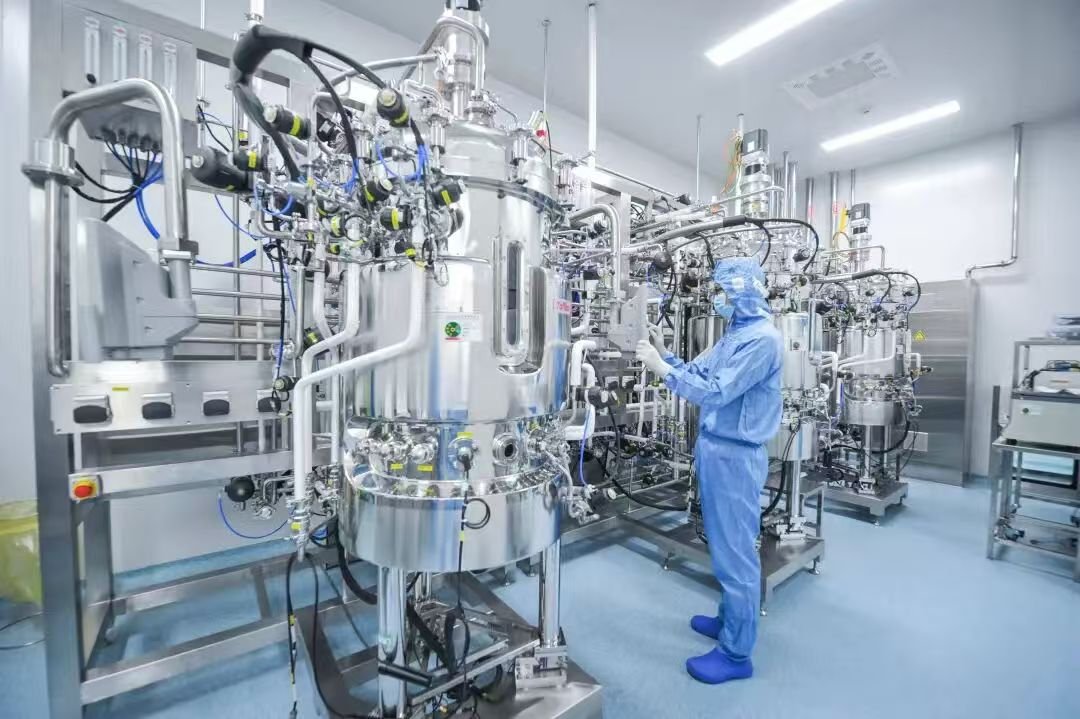
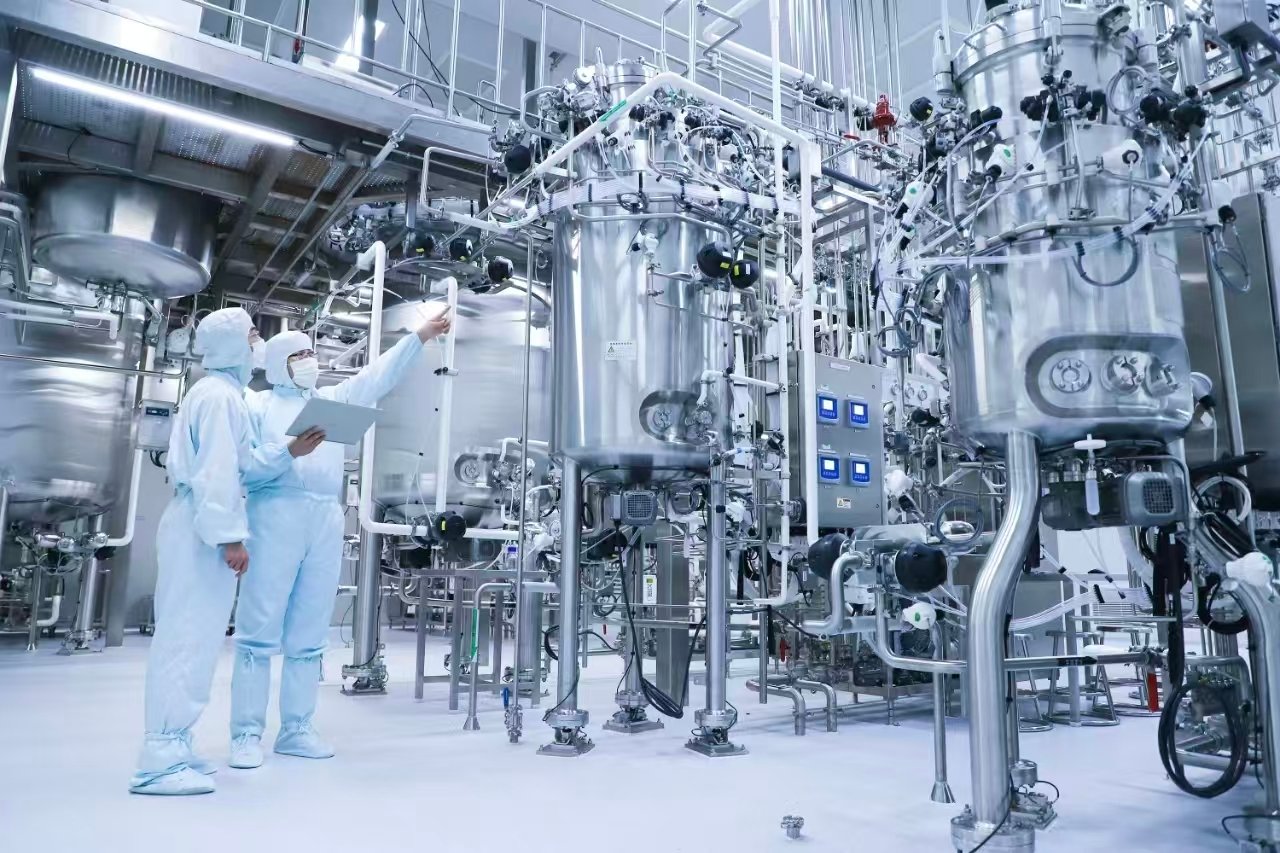
Stainless steel fermentation systems boast decades of mature industrial engineering frameworks, with standardized solutions covering vessel fabrication, automated control, CIP/SIP and in-line monitoring. Engineered for service lifespans exceeding a decade, their amortized capital expenditure delivers declining unit production costs over extended operation. Stainless steel hardware also accumulates vast industrial track records for high-density fermentation, high-volume oxygen supply, closed-loop process automation and quality oversight, with proven scale-up precedents across food ingredients, industrial enzymes and pharmaceutical bioproducts.
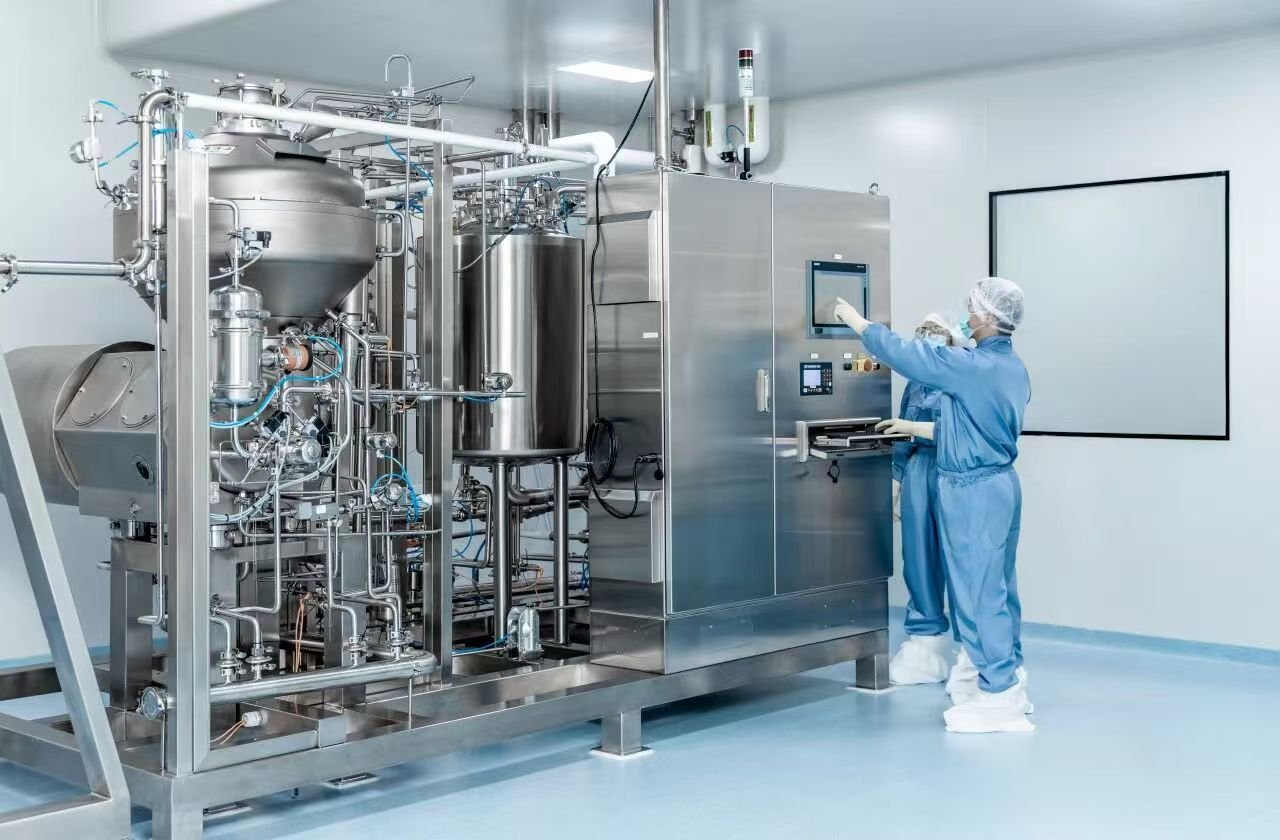
For GMP-compliant manufacturing, stainless steel systems feature well-established regulatory validation pathways. Comprehensive industry standards govern 316L stainless steel construction, orbital welding, surface roughness specifications and cleaning validation protocols. In contrast, single-use systems demand material compatibility, extractables and leachable (E&L) testing tailored to specific polymeric films, with substantial performance variability across different component suppliers. For sustained long-run commercial production, stainless steel bioreactors remain the dominant industry standard.
Hybrid Deployment Strategies: An Emerging Industry Norm
As project portfolios diversify, an increasing number of manufacturers reject rigid single-technology roadmaps in favor of hybrid fleets tailored to distinct development stages.
Single-use hardware accelerates strain screening and process development during R&D to maximize experimental throughput. At pilot scale, stainless steel equipment is gradually integrated to conduct industrial scale-up validation aligned with future production lines. Commercial manufacturing leverages robust stainless steel platforms for consistent, cost-effective output. This hybrid model harnesses the agility of single-use consumables alongside the stability and low long-run operating costs of stainless steel infrastructure, balancing rapid R&D iteration with industrial manufacturability.
For most synthetic biology enterprises, this phased framework — fast R&D, validated pilot scale, cost-efficient commercial production — better aligns with real-world industrial development than exclusive reliance on one bioreactor format.
Equipment Matters, Yet Engineering Expertise Is Decisive
During equipment procurement, buyers commonly benchmark technical specifications including working volume, price, agitation power and automation functionality. However, project success rarely hinges on these hardware metrics; the defining factor is the engineering know-how embedded within the supplier’s offering.
Translation from lab to commercial scale encompasses strain adaptation, iterative process scale-up, control loop optimization and full regulatory validation. Variations between suppliers in scale-up experience, bioprocess domain knowledge and technical field support directly impact project delivery timelines. Leading fermentation equipment manufacturers have evolved from standalone hardware vendors to full-service partners offering end-to-end support including process scale-up, pilot validation and custom commercial plant design. For early-stage startups lacking in-house process engineering teams, selecting a supplier capable of co-developing scale-up workflows delivers far greater value than purchasing isolated bioreactor units.
Closing Remarks
Neither single-use nor stainless steel bioreactors hold absolute inherent superiority. Each technology fulfils distinct strategic objectives and addresses stage-specific industrial demands: R&D requires rapid iteration and flexible testing; pilot scale mandates engineering validation for scalability; commercial manufacturing prioritizes sustained stability, predictable costs and uniform product quality.
The core question guiding equipment selection is not “which technology is more advanced”, but “which hardware aligns with the enterprise’s current development stage”. Bioreactors serve merely as vessels for industrialization. A project’s successful market launch ultimately relies on integrated competitiveness spanning strain performance, process development, engineering scale-up and robust quality management systems.