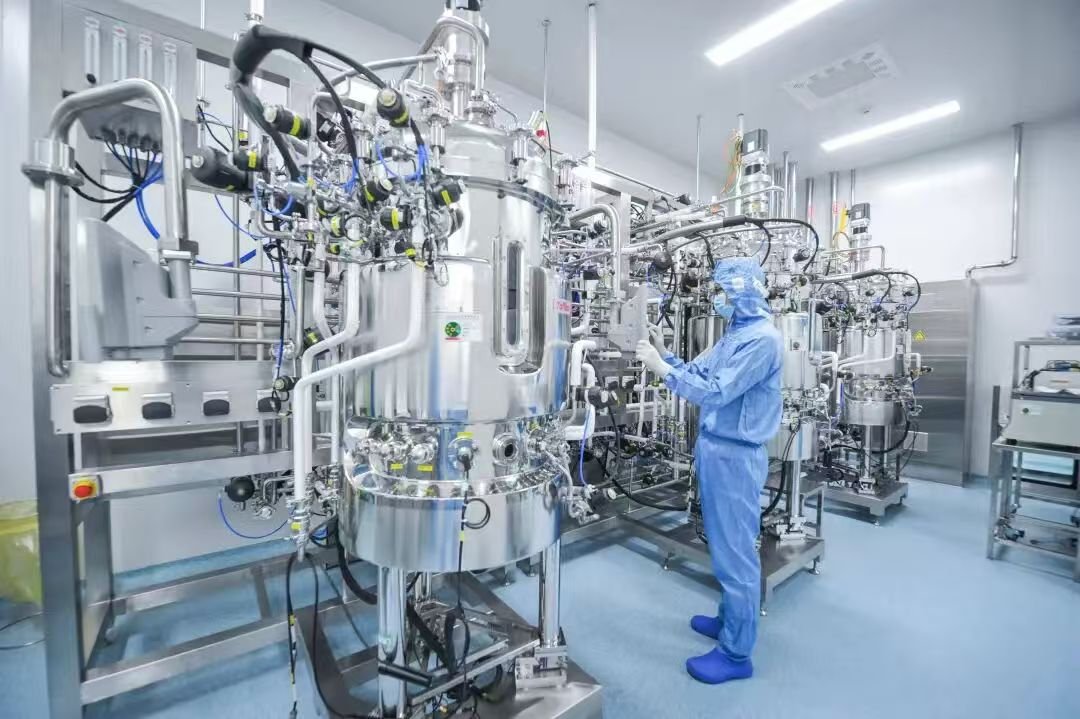
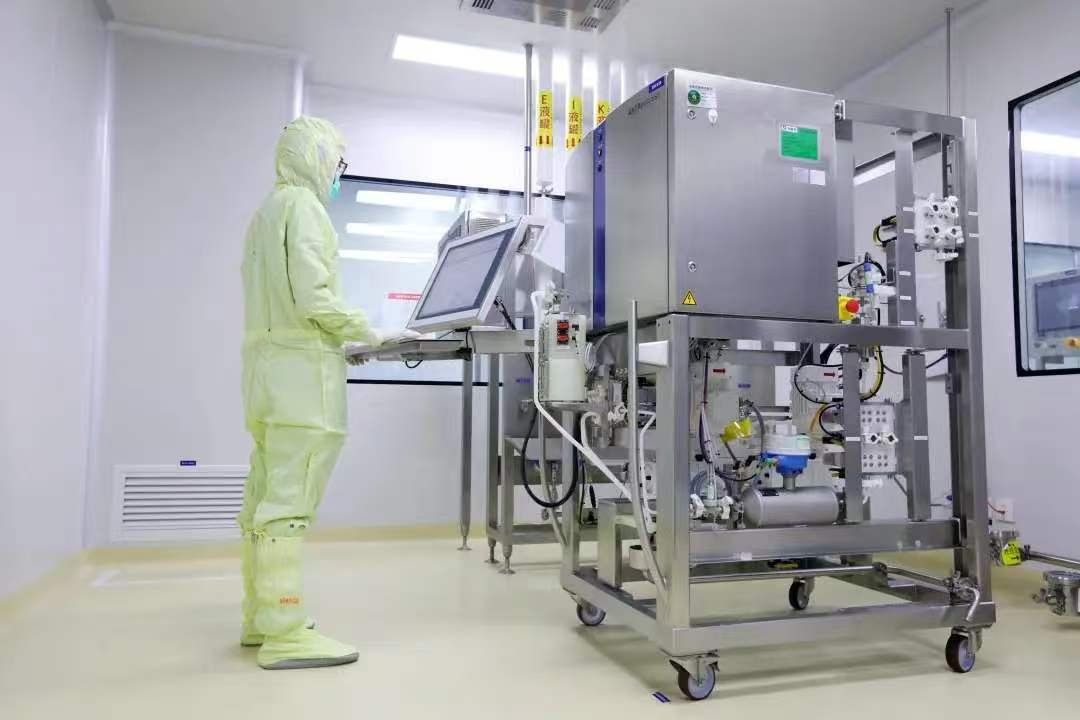
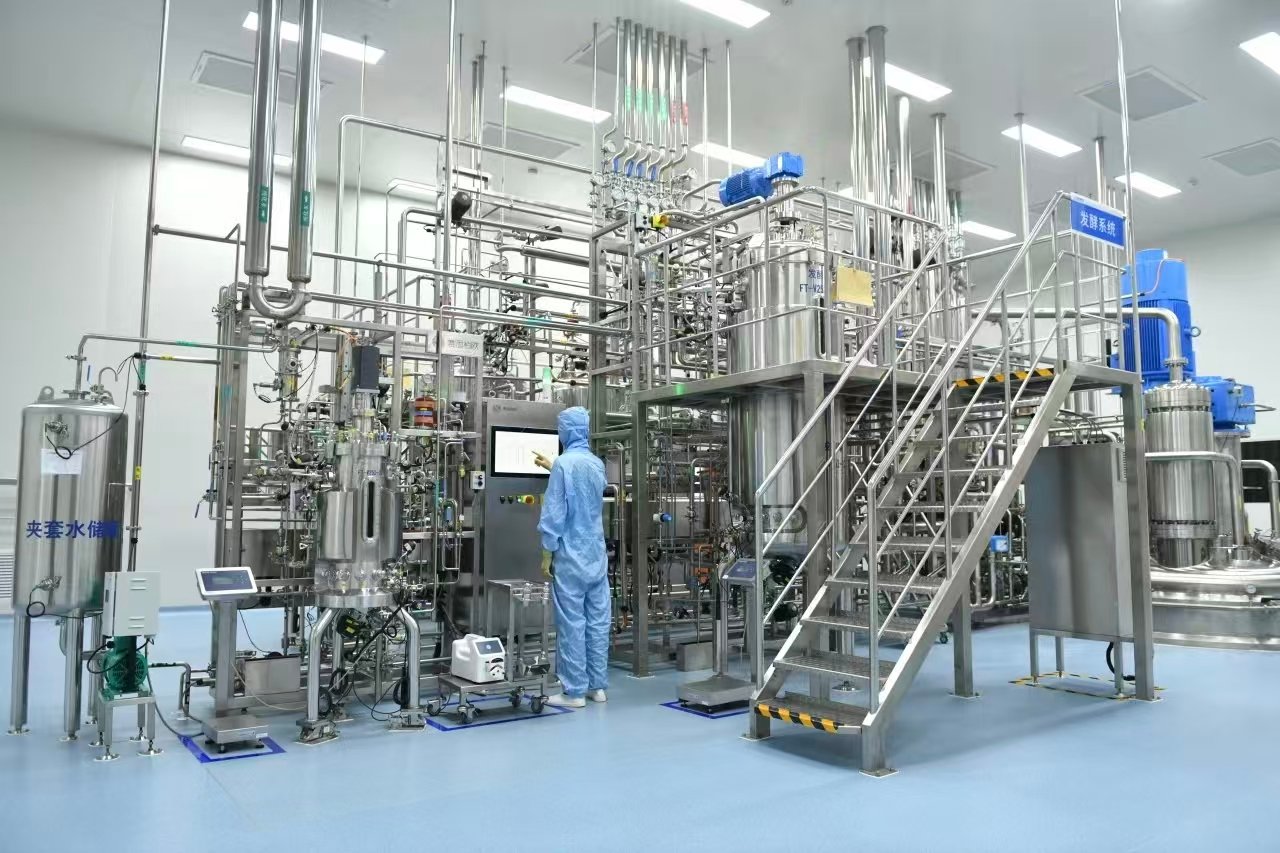
The pharmaceutical industry differs from other industrial sectors in its strict adherence to process rationality and regulatory compliance. While conventional engineering prioritizes basic functionality and upfront cost control, pharmaceutical facility and equipment design underpins drug quality, batch consistency, operational safety and regulatory compliance throughout the project lifecycle. In pharma project delivery, true cost efficiency never comes from corner-cutting, but from science-based design optimization built on solid engineering professionalism, profound process knowledge and rigorous regulatory expertise.
A common industry misconception regards simplified design and lowered technical standards as effective ways to cut project costs. Such short-term cost-cutting reduces initial capital expenditure but triggers substantial long-term risks and higher overall costs. Most pharmaceutical project failures, including operational bottlenecks, repeated post-completion rectifications, cross-contamination and regulatory non-compliance, result from design that disregards process logic and regulatory rules. Corner-cutting design may accelerate construction and lower procurement expenses temporarily, yet it leads to inefficient workflows, unstable product quality and frequent audit failures. Subsequent renovations and compliance corrections greatly increase lifecycle costs and undermine project sustainability and operational legitimacy.
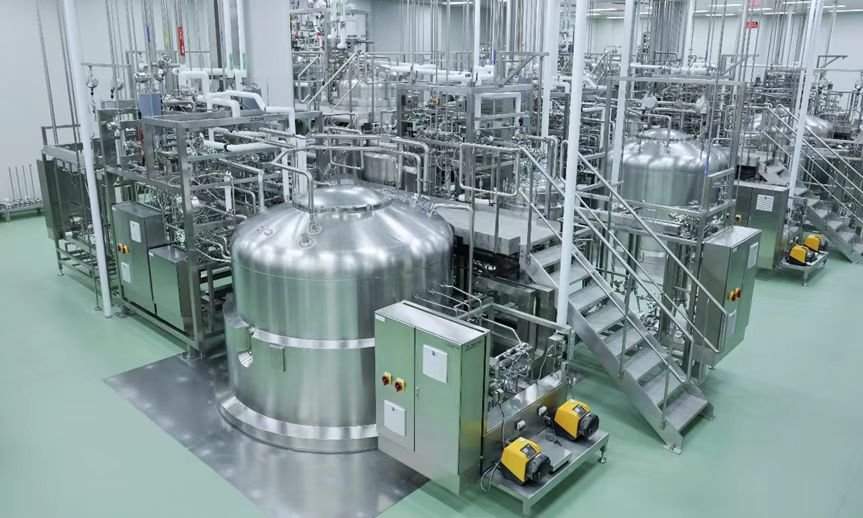
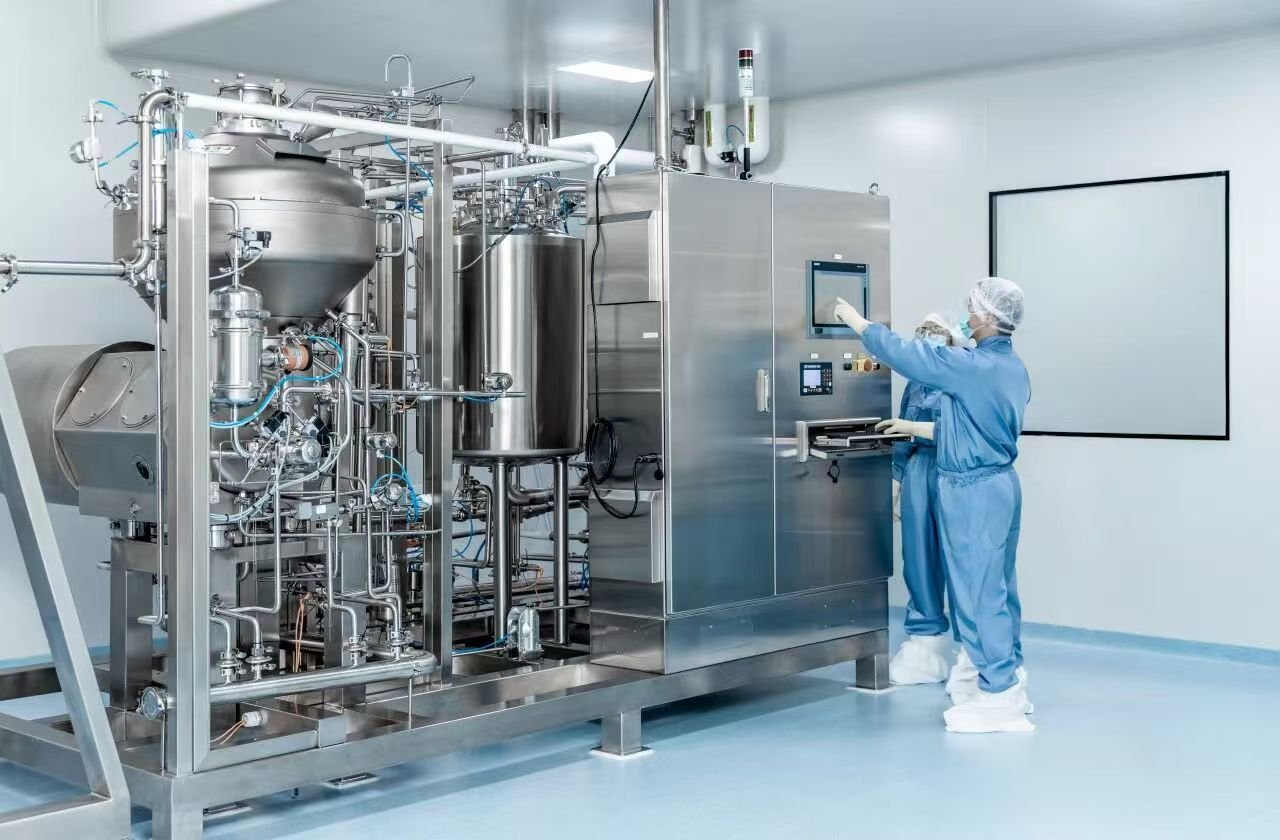
By contrast, design optimization is a proactive, knowledge-driven cost-saving approach that fully complies with pharmaceutical industry principles. Instead of compromising design standards, equipment quality or compliance benchmarks, it eliminates redundant design, unreasonable resource allocation and mismatched technical configurations through precise, targeted technical refinement. This optimized model improves input-output efficiency, guarantees product quality and regulatory adherence, and delivers genuine lifecycle cost reduction. Comprehensive pharmaceutical design optimization covers all project links: process-based site layout eliminates space waste and cross-contamination risks; cGMP-aligned cleanroom design avoids over-engineering and repeated upgrades; parameter-matched process equipment configuration prevents performance redundancy and resource idleness; and streamlined construction design cuts construction waste and maintenance costs.
Effective design optimization relies on three indispensable core capabilities that distinguish professional optimization from blind cost-cutting: engineering competence, process expertise and regulatory knowledge. Solid engineering professionalism ensures rational design by balancing functionality, practicality and cost efficiency, and prevents technical flaws. In-depth pharmaceutical process knowledge constitutes the core of targeted optimization. Mastery of production workflows, material transfer, purification criteria and yield mechanisms enables designers to eliminate process bottlenecks, optimize operational links and develop highly compatible design schemes, achieving cost savings through improved process efficiency.
Professional regulatory awareness serves as the compliance bottom line for design optimization. Pharmaceutical projects are strictly regulated, with all design outputs required to meet official standards for cleanliness, ventilation, zoning and quality control. Sufficient regulatory knowledge ensures all optimization measures stay within compliance boundaries without arbitrary standard reduction. It fundamentally avoids audit failures and mandatory rectifications caused by non-compliant design, securing long-term project value and stable operation.
In summary, pharmaceutical project design is a process-led and regulation-bound systematic engineering discipline. Corner-cutting is a short-sighted practice that sacrifices quality and compliance for temporary cost savings, posing persistent risks to production and drug safety. In contrast, design optimization is a standardized, sustainable and knowledge-based cost-saving solution. For professionals engaged in pharmaceutical plant planning, cleanroom engineering and process equipment manufacturing, integrating engineering proficiency, process thinking and regulatory compliance into every design detail is the core of professional competence and the key to delivering high-quality, cost-effective and fully compliant pharmaceutical projects.