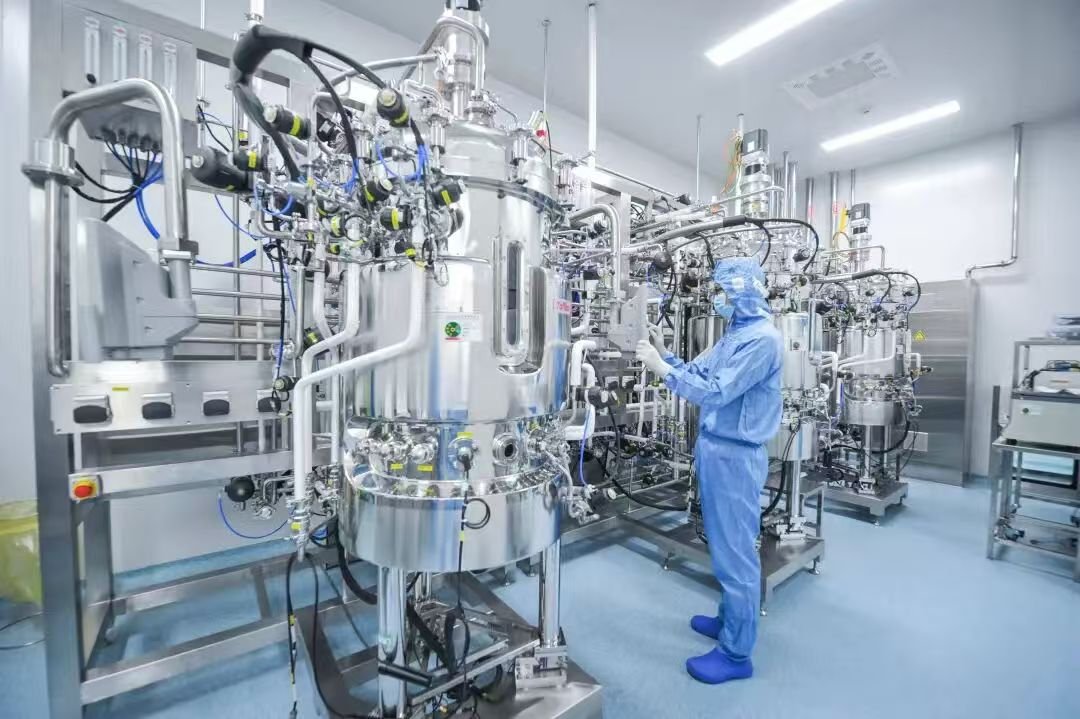
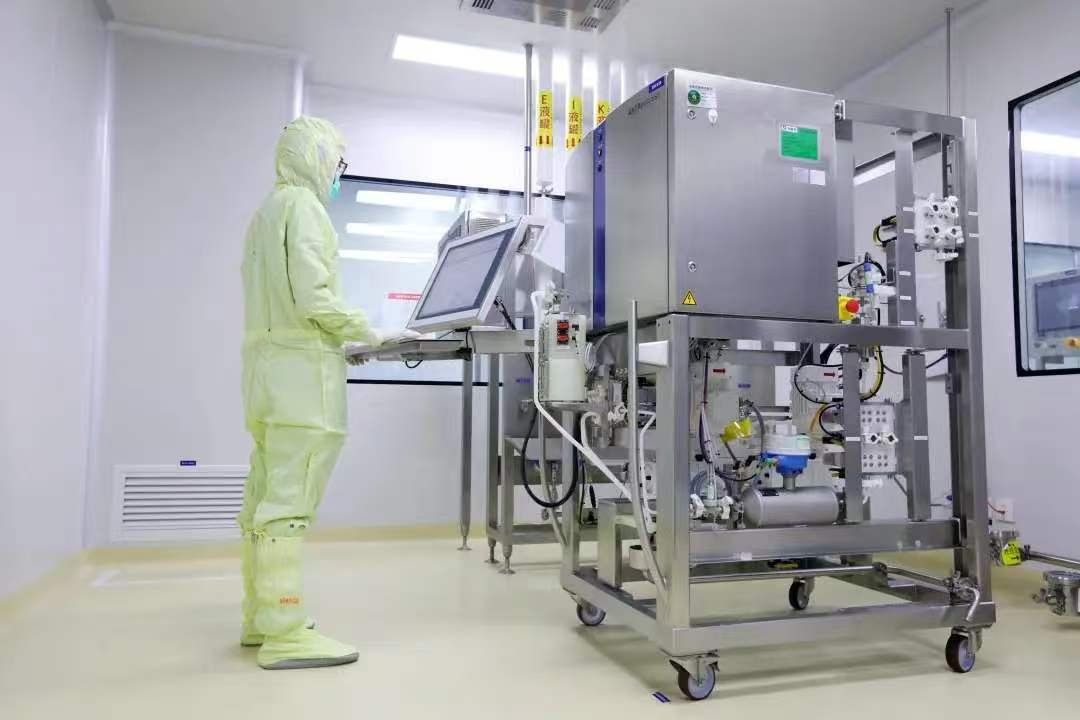
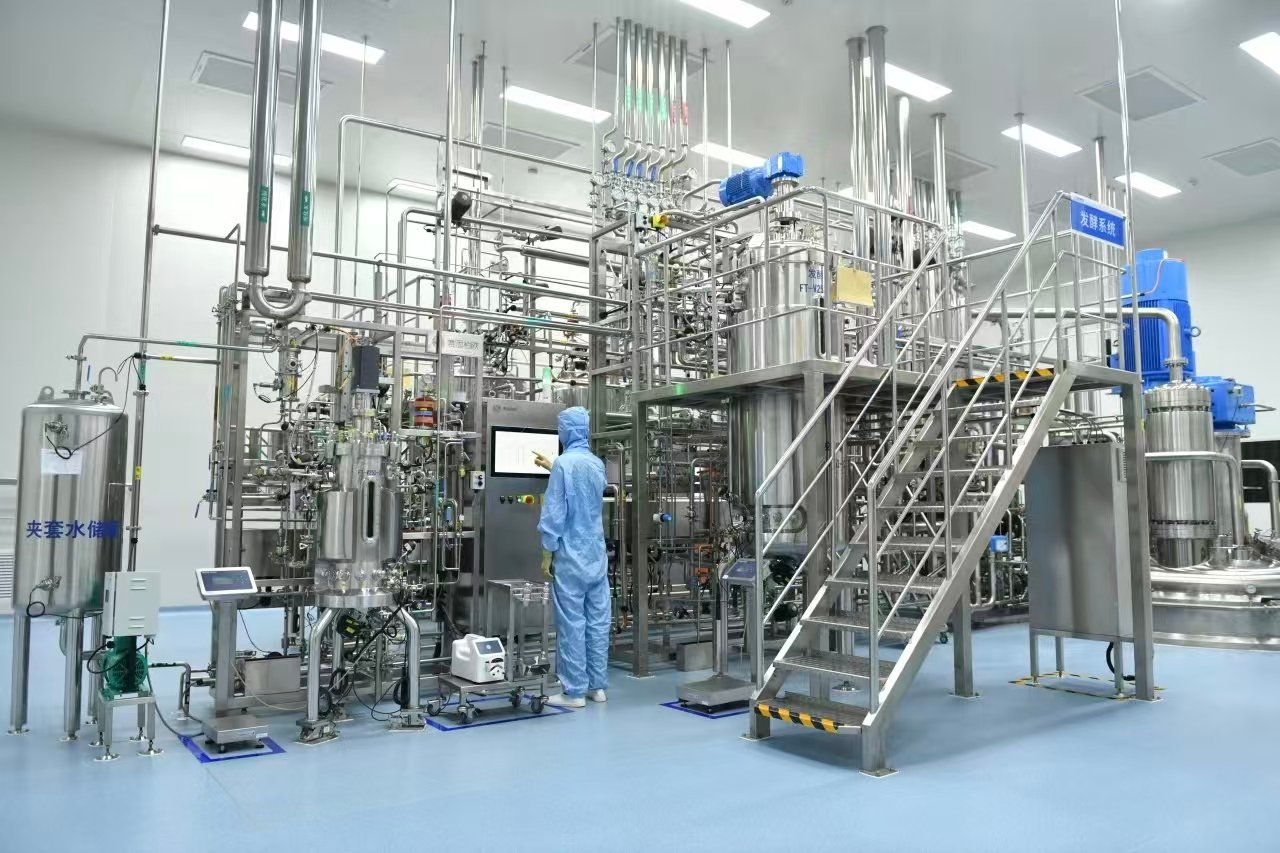
The pharmaceutical industry is defined by rigorous regulatory requirements, intense time-to-market pressure, and zero-tolerance standards for facility quality and compliance. For fast-track pharma projects including new cleanroom construction, manufacturing facility expansion, and biotech production line upgrades,traditional design-bid-build (DBB) delivery methods often fall short due to their sequential workflows, fragmented accountability, and high risk of delays and design rework. In contrast, the design-build (DB) model, which integrates design, engineering, and construction under a single contractual entity, has emerged as the dominant delivery solution for accelerated pharmaceutical capital projects. Its unique structural advantages align perfectly with the fast-paced, highly regulated, and technically complex nature of pharma facility development.
1.Overlapped Workflows Enable Significant Schedule Compression
The core strength of the design-build model for fast-track pharma projects lies in its ability to eliminate the rigid phase separation inherent in traditional DBB procurement. In conventional projects, construction can only commence after full design completion, bid evaluation, and contractor selection, creating lengthy idle periods that extend project timelines by months. Under the design-build framework, the integrated design and construction team collaborates from the pre-construction stage, allowing early construction activities to overlap with ongoing design refinement.
For pharmaceutical facilities, this overlapping workflow delivers tangible schedule gains. Critical foundational works, structural steel installation, and preliminary utility routing can start once schematic designs are finalized, while detailed MEP (mechanical, electrical, plumbing) layouts, cleanroom airflow modeling, and GMP-compliant zoning designs are still being optimized. Industry data shows that design-build delivery can compress overall project schedules by six to eight months for mid-sized pharma cleanroom and manufacturing projects, a decisive advantage for pharmaceutical enterprises racing to launch new drugs, expand production capacity, or respond to urgent market and public health demands. This accelerated timeline directly translates to earlier revenue generation and enhanced market competitiveness for pharmaceutical sponsors.
2.Unified Accountability Mitigates Pharma-Specific Project Risks
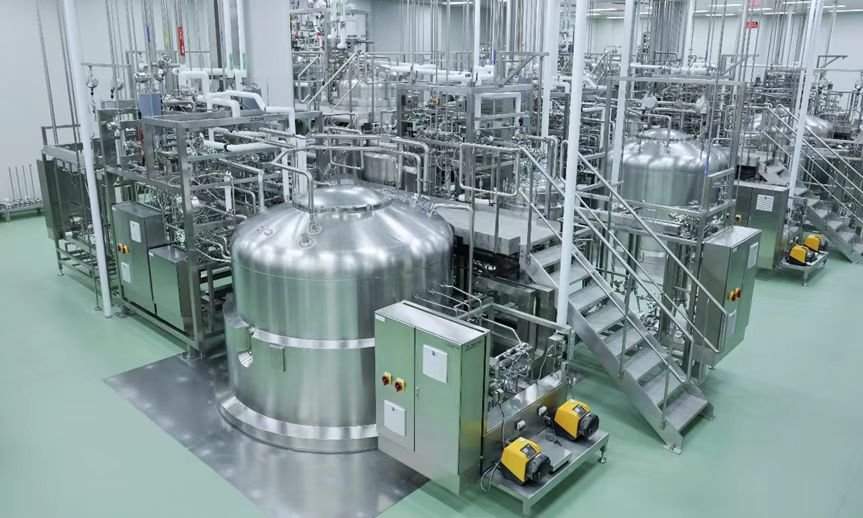
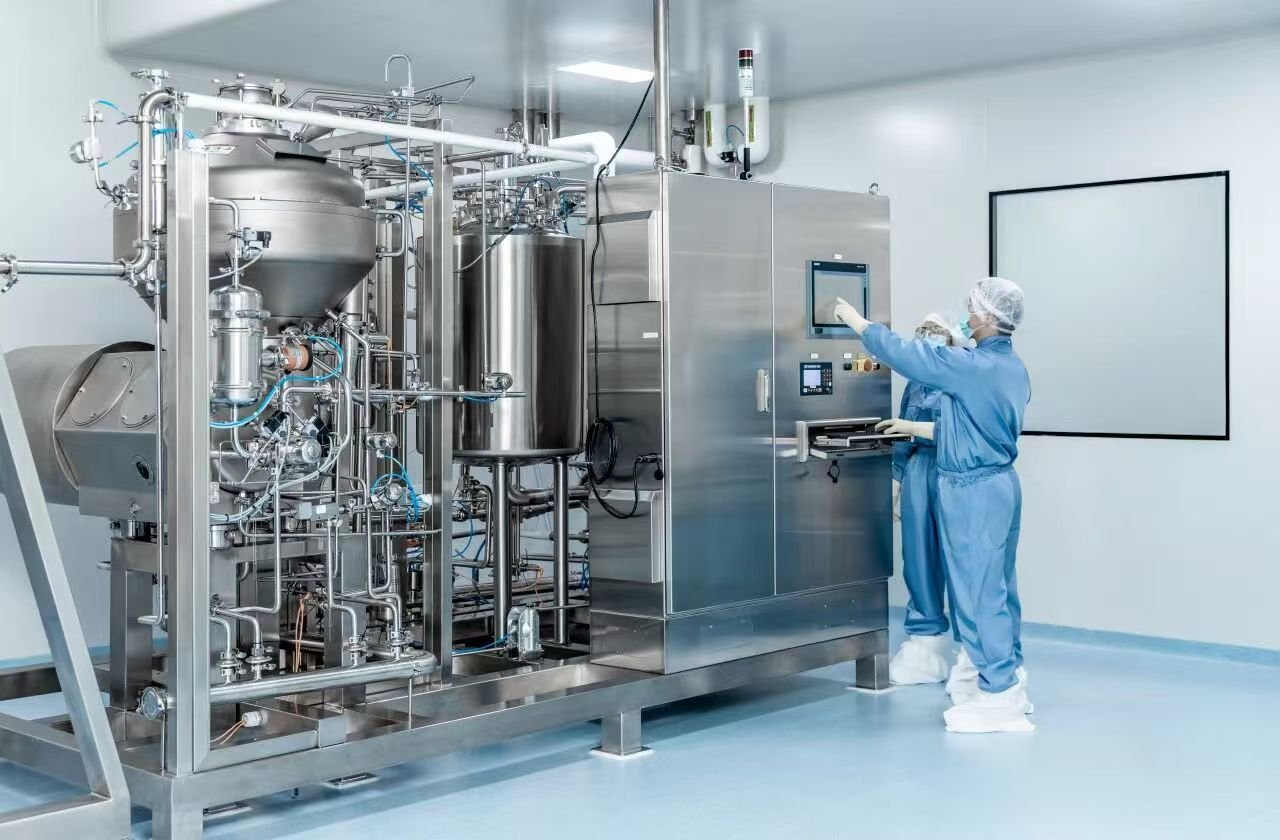
Pharmaceutical facility construction involves highly specialized technical requirements, including ISO-classified cleanrooms, controlled environmental systems, sterile production zones, and strict cross-contamination prevention protocols. These technical complexities, coupled with stringent FDA, EMA, and local regulatory standards, make pharma projects far more risk-sensitive than general commercial construction. The traditional DBB model distributes responsibility across separate design firms and construction contractors, leading to frequent blame shifting, communication gaps, and unresolved design-construction conflicts.
Design-build centralizes all project accountability with a single qualified entity, eliminating fragmented responsibility and adversarial stakeholder dynamics. The integrated team unifies architectural design, pharmaceutical engineering, cleanroom construction, and regulatory compliance expertise from project inception. When design conflicts, constructability issues, or on-site technical challenges arise, the design-build team can resolve issues internally and in real time, rather than enduring lengthy cross-party negotiations and change-order disputes. This single-point accountability drastically reduces rework, minimizes project disruptions, and ensures all design and construction decisions align with pharma’s strict operational and compliance requirements.
3.Early Compliance Integration Ensures Regulatory Readiness
Regulatory compliance is the cornerstone of pharmaceutical facility development, as any design or construction non-compliance can delay commissioning, qualification, and official production launch—costing far more than construction delays alone. Fast-track pharma projects face the dual challenge of speeding up delivery while maintaining uncompromising GMP (Good Manufacturing Practice) compliance, a balance that is difficult to achieve with disjointed DBB workflows.
Design-build teams embed regulatory and cleanroom expertise into the earliest design phases, rather than treating compliance as a post-construction verification step. Engineers and construction specialists collaborate to integrate GMP requirements, ISO cleanroom standards, HVAC airflow balance rules, pressure differential controls, and material flow segregation protocols into every design iteration. This front-loaded compliance integration eliminates last-minute design revisions and compliance rework that commonly plague traditional projects. Moreover, the unified team streamlines the entire post-construction process, including mechanical completion, commissioning, qualification (C&Q), and regulatory inspection preparation, enabling faster facility validation and operational activation.
4.Enhanced Cost Predictability and Reduced Budget Overruns
Fast-track pharmaceutical projects often operate on tight budget and timeline constraints, with unexpected cost overruns capable of derailing entire project strategies. The DBB model is prone to unplanned expenses stemming from design inconsistencies, construction rework, contractual disputes, and uncoordinated vendor management. In contrast, design-build delivers superior cost certainty through early budget alignment and continuous value engineering throughout the project lifecycle.
From the pre-construction stage, the design-build team aligns design specifications, material selection, and construction methods with the client’s budget framework. Professional value engineering is applied to optimize cleanroom layouts, utility system designs, and construction processes without compromising GMP compliance or facility performance. Early identification of budget risks, constructability bottlenecks, and material supply challenges allows for proactive mitigation. Additionally, the single-contractor structure reduces administrative costs, eliminates redundant management procedures, and minimizes change-order-induced cost inflation, delivering stable, transparent project budgets for fast-track pharma initiatives.
5.Streamlined Collaboration Supports Iterative Fast-Track Adjustments
Modern pharmaceutical R&D and production demands are highly dynamic. Fast-track projects often require iterative adjustments, such as modified production line layouts, upgraded cleanroom classification, or adjusted equipment placement, to adapt to new drug development progress or updated regulatory guidelines. The siloed DBB model struggles to accommodate such flexible adjustments, as design and construction teams operate independently with rigid contractual boundaries.
The collaborative nature of the design-build model enables agile, iterative project optimization. Cross-functional teams including designers, pharma process engineers, construction managers, and quality compliance specialists maintain continuous communication. Minor design tweaks and functional adjustments can be implemented seamlessly during the overlapping design-construction phase, without triggering extensive project delays or contractual conflicts. This flexibility is critical for fast-track pharma projects, where aligning facility functionality with evolving production and regulatory needs is essential for long-term operational value.
Conclusion
For fast-track pharmaceutical projects, speed never comes at the expense of compliance, quality, or cost control. The design-build model’s integrated workflow, unified accountability, front-loaded regulatory compliance, predictable cost management, and agile collaboration capabilities perfectly address the unique challenges of pharma facility construction. By eliminating the inefficiencies of traditional sequential delivery, design-build accelerates time-to-market, mitigates compliance and operational risks, and delivers high-quality, GMP-compliant pharmaceutical facilities efficiently. As the pharmaceutical industry continues to pursue rapid innovation and capacity expansion, design-build will remain the most preferred delivery model for fast-track capital construction projects worldwide.