
In protein research and industrial biomanufacturing, protein separation, purification and concentration constitute critical steps determining experimental success. Ultrafiltration (UF), as a core technology, separates target proteins from complex mixtures based on the selective permeability of semipermeable membranes. This process enables researchers to attain high sample purity while achieving effective sample concentration, laying a solid foundation for downstream structural biology analysis, functional assays and pharmaceutical development.
This article provides an in-depth exploration of mainstream ultrafiltration applications in protein purification, delivers a detailed technical comparison between tangential flow filtration (TFF) and ultrafiltration centrifugation, and offers professional recommendations for membrane material selection and molecular weight cutoff (MWCO) configuration, empowering laboratories to achieve substantial process improvements.
1. What is Ultrafiltration Technology?
Ultrafiltration is a size-based membrane separation technique targeting molecules ranging from 0.001 to 0.1 μm in diameter. It employs semipermeable membranes with defined pore sizes, allowing small solvent molecules (water, salt ions and low-molecular-weight buffer components) to permeate through, while retaining large biomacromolecules such as proteins and nucleic acids.
Besides physical dimensions, molecular conformation and charge properties may occasionally affect separation performance. Nevertheless, molecular weight remains the primary criterion governing ultrafiltration.
Why Choose Ultrafiltration (Compared with Non-Membrane Separation Techniques)?
Mild operating conditions: Minimal mechanical shear damage to biomolecules, suitable for handling thermosensitive and conformationally labile proteins prone to denaturation.
Solvent-free operation: No requirement for organic solvents or high-salt precipitants, eliminating the risk of protein denaturation induced by chemical additives.
Preserved solution environment: Maintains the original ionic strength and pH, safeguarding native protein activity.
Cost-effective and efficient: Fast workflow, relatively low capital investment, and compatible with low-temperature operation (e.g., cold room processing).
Integrated dual function: Simultaneously removes impurities (purification) and reduces sample volume (concentration).
2. Four Core Applications of Ultrafiltration in Protein Science
Ultrafiltration offers versatile functionality, covering the full workflow from sample preparation to final product formulation:
Purification: Recover monoclonal antibodies (mAbs) and other recombinant proteins from cell culture supernatants or cell lysates.
Concentration and desalting: Prepare high-concentration samples for structural biology techniques including X-ray crystallography and cryo-electron microscopy; remove salts that interfere with downstream processes.
Fractionation: Separate mixed protein populations into distinct fractions according to molecular weight ranges for comprehensive functional characterization.
Buffer exchange: Rapidly alter the aqueous environment of proteins via diafiltration, optimizing protein stability and reactivity in subsequent assays.
3. Core Technology Comparison: Ultrafiltration Centrifugation vs. Tangential Flow Filtration (TFF)
3.1 Ultrafiltration Centrifugation
The most widely adopted laboratory-scale method, which applies centrifugal force as the driving force to push fluid across semipermeable membranes. It is ideal for small-volume samples ranging from hundreds of microliters to tens of milliliters.
Advantages: Extremely straightforward operation; only a centrifuge is required; compatible with parallel processing of multiple samples. Limitations: Concentration polarization or gel layer readily forms on the membrane surface as solute concentration rises, drastically reducing filtration flux. Efficiency deteriorates significantly for sample volumes exceeding 300 mL.
3.2 Tangential Flow Filtration (TFF)
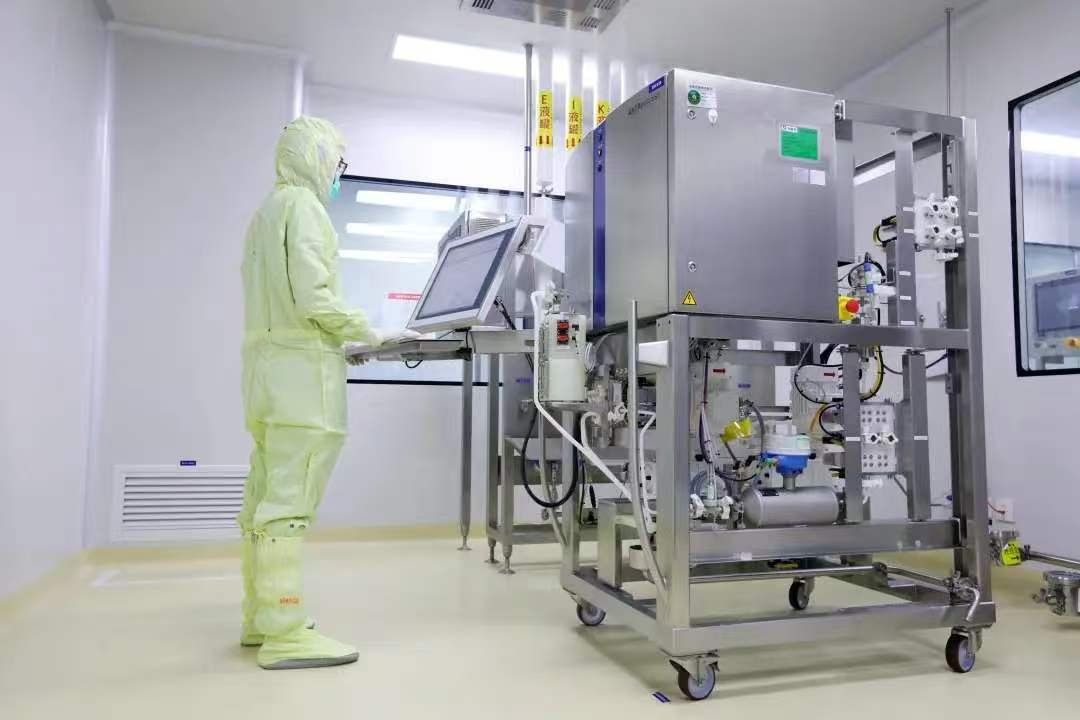
Unlike conventional dead-end filtration where feed flows perpendicularly toward the membrane, feed solution travels parallel to the membrane surface in TFF. This flow pattern creates a sweeping effect that continuously washes away retained solutes on the membrane, effectively mitigating membrane fouling.
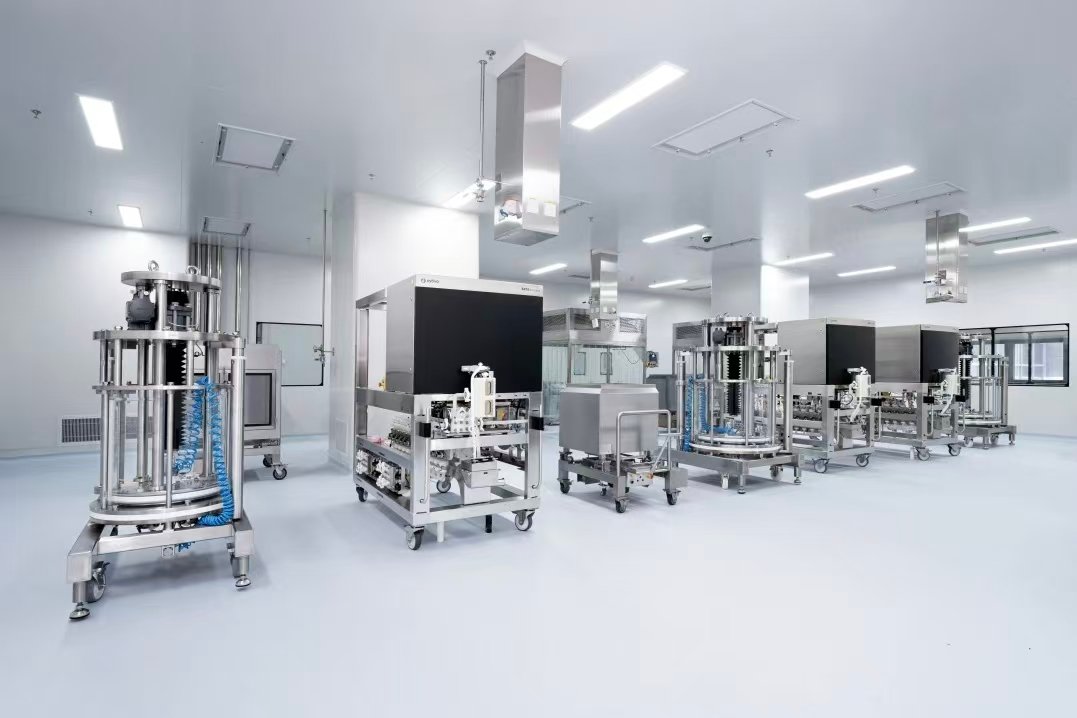
Advantages: Stable permeate flux; suitable for large-volume processing from hundreds of milliliters to thousands of liters; modules can be reused after cleaning; high protein recovery with controllable shear stress.
4. Professional Selection Guide: Membrane Material and MWCO Selection
4.1 Rational Selection of Membrane Materials
Materials differ substantially in hydrophobicity and non-specific adsorption characteristics, directly impacting protein recovery.
Polyethersulfone (PES): Delivers high flux with low non-specific protein binding, making it the first choice for protein sample processing. Note that PES generally exhibits poor compatibility with organic solvents such as DMSO.
Cellulose Acetate (CA): Highly hydrophilic with minimal protein adsorption and favorable chemical resistance, lowering risks of sample contamination.
Regenerated Cellulose (RC): Features ultra-low protein binding and compatibility with both aqueous media and various organic solvents, commonly used for sample post-processing after chromatography.
4.2 Understanding Molecular Weight Cutoff (MWCO)
It is critical to clarify that MWCO does not directly correspond to physical pore size. It denotes the minimum molecular weight of a solute of which 90% can be retained by the membrane.
Golden Rule: To guarantee complete retention of target proteins and optimize processing efficiency, select an MWCO equivalent to 1/3 to 1/6 of the molecular weight of the target protein.
5. Practical Strategies to Achieve >90% Protein Recovery
Subtle operational details largely determine final yields in real-world workflows:
Trade-off between throughput and retention: A higher MWCO accelerates filtration; a tighter MWCO ensures maximal target protein retention.
Volume matching: Avoid over-sizing filtration systems. Oversized hardware increases dead volume, leading to loss of precious samples.
Mitigation of protein aggregation: Concentration gradients formed during centrifugation may trigger protein aggregation. Centrifuge units equipped with vertical baffles disrupt gradient formation and preserve sample integrity.
Contamination prevention: Membranes are typically preserved with humectants or storage solutions. Thoroughly rinse membranes with ultrapure water prior to formal use.
Cost optimization: TFF cassettes are generally reusable after cleaning. Conduct routine integrity testing before each run to confirm consistent performance.
6. Conclusion
Ultrafiltration is not merely a fundamental tool in protein science, but a discipline balancing throughput, purity and biomolecular activity. By thoroughly understanding the chemical properties of different membrane materials, rationally configuring MWCO specifications, and flexibly switching between ultrafiltration centrifugation and TFF according to sample volume, researchers can markedly boost laboratory productivity and ensure reproducible, consistent experimental outcomes.