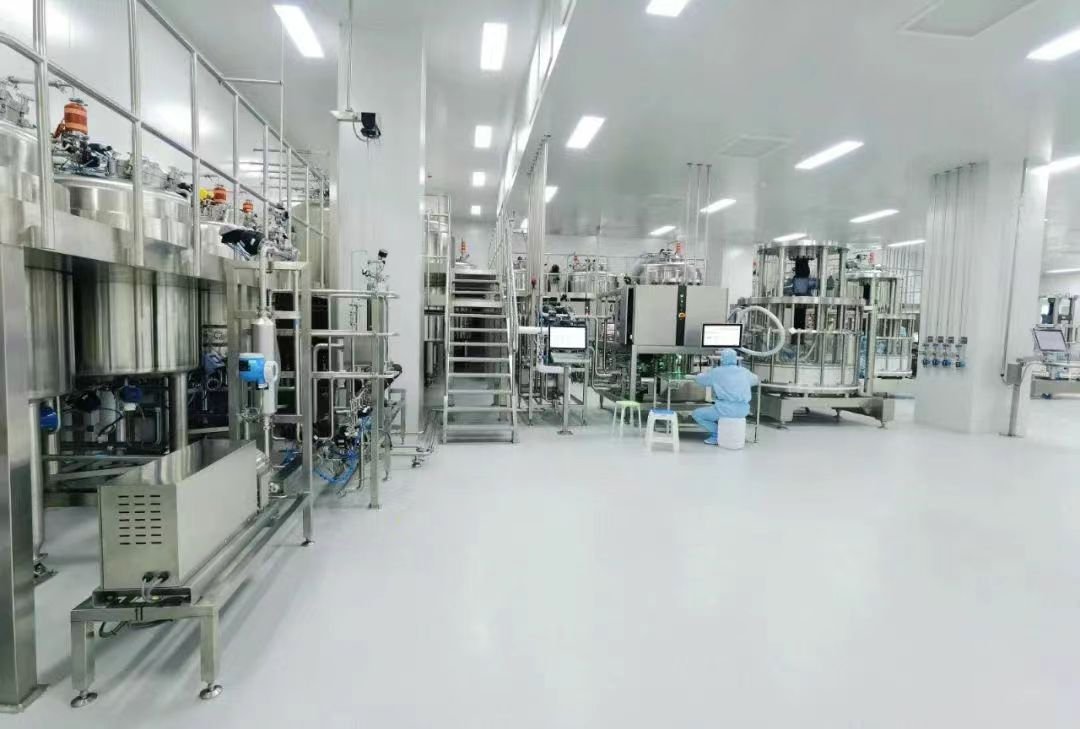
In recent years, mRNA technology has emerged as a transformative breakthrough in the biopharmaceutical industry. Characterized by rapid research and development cycles, flexible production scalability, and precise control over protein expression, mRNA therapeutics and vaccines have demonstrated broad application prospects in infectious disease prevention and treatment, tumor immunotherapy, and genetic disorder management. Unlike traditional pharmaceuticals, mRNA can instruct the human body to generate therapeutic proteins endogenously, endowing it with exceptional developmental potential.
Commercial-scale manufacturing of mRNA predominantly relies on in vitro transcription (IVT), a process that synthesizes target mRNA molecules using DNA templates under enzymatic catalysis. Nevertheless, IVT is not a flawless reaction. Concurrent with the generation of desired single-stranded mRNA, numerous product- and process-related impurities are generated, including mRNA aggregates, truncated transcription products, and immunogenic double-stranded RNA (dsRNA). These impurities not only compromise mRNA purity and manufacturing yield but also have the capacity to activate the human innate immune system, triggering inflammatory adverse reactions and even suppressing the translation and synthesis of target proteins.
Accordingly, efficient removal of such impurities to guarantee the safety and efficacy of final drug products constitutes a core bottleneck in mRNA manufacturing. While regulatory guidelines governing mRNA purity specifications are progressively refined, quantitative control thresholds for various impurities remain under exploratory development. This paper briefly elaborates on key impurity species generated during mRNA production, their formation mechanisms, and corresponding control strategies, followed by a comparative analysis of mainstream purification technologies and quality testing methodologies. The outcomes aim to provide a reference for process optimization and quality control of mRNA therapeutics.
Double-Stranded RNA (dsRNA) and Its Process Control
dsRNA represents the primary class of impurities generated during IVT-based mRNA production. Structurally, dsRNA falls into two major categories: 1) self-hairpin dsRNA, formed when a single RNA strand folds and undergoes intramolecular base pairing; and 2) sense-antisense dsRNA, consisting of two complementary RNA strands hybridized to each other. The formation of these impurities stems from complex mechanisms, largely attributable to off-target enzymatic behavior of polymerases—examples include self-extension of polymerases at transcription termini to form hairpin structures, or de novo initiation on non-template strands to produce antisense RNA fragments.
Pervasive dsRNA contamination severely impairs the efficacy and safety of mRNA products. Specialized immune sensors in humans specifically recognize these characteristic duplex structures, triggering immune cascades that drive interferon secretion and subsequent inflammatory side effects. Moreover, such immune responses shut down intracellular protein synthesis pathways, drastically reducing target protein expression levels. Therefore, multi-modal strategies to mitigate dsRNA formation during manufacturing are indispensable.
Major mitigation strategies targeting dsRNA are summarized as follows:
1.Optimization of reaction raw materials and components: Incorporation of modified nucleotides (e.g., 1-methylpseudouridine) or modulation of critical ionic concentrations in buffers (e.g., reduced magnesium chloride levels) partially inhibits dsRNA generation.
2.Refinement of process conditions and purification workflows: Elevated transcription temperatures or mild denaturants (urea, formamide) disrupt undesired base-pairing interactions. In parallel, high-resolution chromatographic purification of starting DNA templates markedly attenuates non-specific transcription induced by template-derived impurities.
3.Enzyme engineering optimization: Genetically engineered transcriptases are designed to sustain high production titers while exhibiting a reduced propensity to generate short truncated fragments and hairpin impurities.
For quality control and analytical testing, antibody-based immunoassays (e.g., ELISA) are the most widely adopted tools for rapid qualitative or semi-quantitative detection of dsRNA. For fine-tuned process development and production workflows, ion-pair reversed-phase high-performance liquid chromatography (IP-RP-HPLC) delivers superior performance. Leveraging differences in molecular hydrophobicity under high-temperature denaturing conditions, this technique enables efficient separation and absolute quantification of target single-stranded mRNA and dsRNA impurities, establishing it as the gold standard for purity profiling. Alongside evolving analytical platforms, high-throughput methodologies such as nanopore sequencing provide robust support for in-depth assessment of mRNA integrity and sequence fidelity.
Formation and Control of Truncated mRNA Fragments
Beyond dsRNA, truncated mRNA transcripts constitute another prevalent category of process impurities generated during IVT. These short fragments predominantly arise in the early stages of the transcription reaction. Upon promoter recognition and initiation of RNA synthesis, RNA polymerases undergo a phase termed the initiation cycle, during which the initial polymerase-template complex remains thermodynamically unstable. This instability frequently causes premature transcription termination, releasing abortive fragments spanning only 2 to 13 nucleotides—a phenomenon defined as abortive transcription.
Following elongation to a critical chain length (typically greater than 10 nucleotides), polymerases undergo dramatic conformational rearrangement and transition into a stable, high-efficiency elongation phase. Failed conversion from the initiation complex to the elongation complex leads to recurrent abortive cycling and massive accumulation of non-functional short RNA fragments. In addition to transcription-derived truncates, full-length mRNA undergoes hydrolytic cleavage or degradation upon RNase contamination in downstream workflows, generating additional undesirable fragmented species.
Accumulation of mRNA fragments directly diminishes full-length mRNA purity and recoverable yield, while also carrying latent immunotoxic risks. These fragments may act as secondary templates for non-specific transcription, facilitating the generation of immunogenic dsRNA and subsequent activation of innate immune signaling. Preserving full-length mRNA integrity is thus critical to enhancing drug potency and safety profiles.
The industry has established the following core strategies to minimize fragment formation:
1.Engineering of transcriptases and promoter sequences: Genetic modification of RNA polymerases or fine-tuning of promoter sequences lowers the energy barrier for the transition from initiation to elongation complexes, accelerating entry into stable, sustained transcription.
2.Supplementation of cofactors: Pyrophosphatase added to IVT reaction mixtures consumes pyrophosphate byproducts, effectively suppressing abortive transcription and significantly boosting overall product yield.
3.In-process control and anti-degradation safeguards: Inclusion of RNase inhibitors in IVT formulations and rigorous control of trace metal ion contamination (metal ions accelerate phosphodiester bond hydrolysis) are mandatory to prevent post-synthesis mRNA fragmentation. Furthermore, predictive modeling of mRNA secondary structures via artificial intelligence enables rational sequence design to avoid motifs prone to premature transcriptional termination, representing a forward-looking optimization approach.
From an analytical standpoint, standard detection platforms exhibit limitations when resolving small mRNA fragments. Capillary gel electrophoresis (CGE) supports assessment of full-length mRNA integrity yet lacks sufficient resolution for ultra-short abortive transcripts. Currently, high-sensitivity liquid chromatography coupled with mass spectrometry (LC-MS) serves as the primary technology for qualitative identification and absolute quantification of fragments as short as several nucleotides alongside complex miscellaneous impurities, generating critical datasets to drive continuous manufacturing process refinement.
mRNA Capping: Structural Integrity and Manufacturing Control
The 5’ mRNA cap represents a structural motif central to biological functionality. Endogenous eukaryotic mRNA features a 7-methylguanosine (m⁷G) moiety at the 5’ terminus to form a specialized cap structure. This cap substantially enhances mRNA stability by shielding transcripts from intracellular nuclease degradation and acts as the core recognition signal for ribosomal recruitment and translational initiation. Uncapped or reversely capped mRNA exhibits drastically attenuated translational efficiency and rapid intracellular clearance, resulting in complete loss of therapeutic activity.
Two primary industrial workflows are deployed to install mRNA caps in vitro: co-transcriptional capping, where cap analogs are incorporated directly within IVT reaction mixtures by polymerases concurrent with mRNA synthesis; and post-transcriptional capping, wherein dedicated capping enzymes modify mRNA 5’ termini upon completion of IVT. Co-transcriptional capping is favored by manufacturers for its streamlined workflow and superior throughput, yet it poses inherent challenges: cap analogs may undergo reverse incorporation, yielding non-functional cap structures that actively impede translation.
Industrial process control strategies to mitigate uncapped and mis-capped species are outlined below:
1.Utilization of anti-reverse cap analogs (ARCAs): Chemically modified ribose backbones within cap analogs enforce directional, correct ligation to mRNA termini, elevating the fraction of functionally capped transcripts.
2.Trinucleotide cap analog supplementation: This state-of-the-art co-transcriptional capping modality achieves near-quantitative formation of native cap structures, yielding transcripts with maximized translational capacity.
3.Reaction system parameter tuning: Cap analogs compete with raw material GTP for enzymatic incorporation; precise modulation of their molar ratios balances volumetric productivity and maximum capping efficiency.
Within quality control analytics, precise discrimination between capped and uncapped mRNA constitutes a core analytical objective. Given the ultra-high molecular weight of full-length mRNA, mainstream detection workflows rely on targeted pre-processing steps:
1.Two-step enzymatic digestion coupled with high-performance liquid chromatography (HPLC): This cost-effective industrial workflow employs sequence-specific nucleases to degrade uncapped mRNA, followed by HPLC quantification of intact capped transcripts.
2.Liquid chromatography-mass spectrometry (LC-MS): mRNA is fragmented into short oligonucleotides prior to mass spectrometric detection, enabling high-sensitivity structural identification ideal for deep molecular characterization.
3.PCR-based assays and nanopore sequencing: Quantitative ligation PCR platforms selectively identify uncapped fragments bearing unmodified 5’ termini. As an emerging frontier technology, nanopore sequencing theoretically enables direct identification of terminal methylated cap modifications; with further technical maturation, it is poised to deliver direct, intuitive characterization of capping integrity.
Downstream Purification Strategies for Process-Related Impurity Removal
Beyond transcript-derived byproducts, IVT reactions generate abundant process-related impurities originating from reaction components, including residual DNA templates, unreacted nucleotide triphosphates (NTPs), T7 RNA polymerase, endotoxins, and inorganic salts. These reagents are obligatory for successful transcription and cannot be eliminated mid-reaction, necessitating robust downstream purification workflows to achieve ultra-high purity aligned with stringent safety and regulatory benchmarks.
Core Impurities and Associated Processing Challenges
1.Residual DNA templates and RNA-DNA hybrids: DNA constitutes the highest-molecular-weight impurity within crude IVT lysates, and excessive residual DNA provokes inflammatory responses in vivo. DNase I digestion is conventionally deployed to fragment DNA contaminants; however, RNA-DNA hybrids generated during IVT are recalcitrant to complete degradation via standard DNase I treatment. These hybrid species activate innate immune sensors and pose significant immunogenic risks, necessitating optimized chromatographic separation modalities.
2.Biological endotoxin contamination: DNA templates and recombinant enzymes are typically produced in Escherichia coli expression systems, introducing bacterial lipopolysaccharide endotoxins. Endotoxins exhibit potent immunogenicity and thermal stability, mandating comprehensive quality control protocols: adoption of endotoxin-free lab consumables and raw materials, coupled with compendial end-product testing to meet biopharmaceutical safety specifications.
For scalable high-purity mRNA manufacturing, chromatographic separation remains the industry’s primary workhorse technology:
1.Oligo(dT) affinity chromatography: A flagship purification platform leveraging complementary base pairing between poly(A) tails at the mRNA 3’ terminus and immobilized oligo(dT) ligands on solid supports. This method efficiently depletes unreacted nucleotides, salts, and short RNA fragments to deliver high-purity target mRNA. Its key limitation is co-capture of dsRNA species bearing poly(A) tails, mandating orthogonal polishing purification steps downstream.
2.Ion-pair reversed-phase high-performance liquid chromatography (IP-RP-HPLC): A high-resolution polishing step capable of robust dsRNA clearance. Widespread industrial deployment is hindered, however, by large-volume consumption of toxic organic solvents and ion-pair reagents, alongside scalability limitations driven by cost and environmental compliance burdens.
3.Anion exchange chromatography (AEX): An alternative separation technique exploiting differential molecular charge to resolve mRNA and impurities. While demonstrating promising scalability, its capacity to discriminate structurally analogous mRNA fragments and dsRNA impurities requires further technical validation and optimization.
Collectively, although current downstream workflows eliminate the majority of contaminants, mRNA purification has not evolved into a standardized, universal platform manufacturing process analogous to monoclonal antibody production. Each available separation modality carries distinct technical tradeoffs, notably the balance between processing throughput and impurity resolution. Future process development efforts will prioritize integration of orthogonal multi-modal chromatographic workflows to reconcile cost efficiency, environmental compliance, and product quality, establishing robust, high-yield mRNA manufacturing platforms.
The remarkable clinical success of mRNA technology during pandemic response solidifies its central role in modern medicine. Translating this transformative potential into widespread clinical adoption hinges on resolving the core challenge of high-quality mRNA production. Impurities generated during manufacturing—including dsRNA, truncated transcripts, and mis-capped or uncapped mRNA—suppress target protein translation and trigger off-target human immune responses, directly compromising drug safety and therapeutic efficacy. Establishing a comprehensive framework for impurity profiling, absolute quantification, and in-process control is therefore foundational to the sustainable advancement of mRNA therapeutics.