
1 Fundamentals of Ultrafiltration Technology
Advantages of Ultrafiltration over Non-Membrane Separation Techniques
1.Mild separation conditions: Minimal mechanical shear damage to biomolecules, ideal for processing thermolabile and conformationally fragile proteins prone to denaturation.
2.Solvent-free operation: No organic solvents or high-salt precipitants required, eliminating protein denaturation risks induced by chemical additives.
3.Compatibility with native buffer environments: Preserves original ionic strength and pH values completely to sustain native protein bioactivity.
4.Cost and time efficiency: Short operational cycles, relatively low capital equipment investment, and compatible with low-temperature workflows (e.g., cold-room processing).
5.Dual-function capability: Simultaneously removes impurities for purification and reduces sample volume for concentration in a single workflow.
2 Four Core Applications of Ultrafiltration in Protein Science
1.Purification: Recover monoclonal antibodies (mAbs) and other recombinant proteins from cell culture supernatants or cell lysates.
2.Concentration and desalting: Prepare high-concentration protein samples for structural biology platforms including X-ray crystallography and cryo-electron microscopy, or eliminate salts incompatible with downstream processes.
3.Fractionation: Partition mixed protein populations into distinct fractions based on molecular weight ranges for in-depth functional characterization.
4.Buffer exchange: Rapidly replace the solvent environment of target proteins via diafiltration mode to optimize protein stability and bioactivity in subsequent reactions.
3 Core Technical Comparison: Centrifugal Ultrafiltration vs. Tangential Flow Filtration (TFF)
3.1 Centrifugal Ultrafiltration
1.Strengths: Extremely straightforward operation with only a centrifuge as supporting equipment; compatible with parallel processing of multiple samples.
2.Limitations: Concentration polarization and gel layer formation readily occur on membrane surfaces as solute concentration rises, drastically diminishing filtration flux. Poor processing efficiency for sample volumes exceeding 300 mL.
3.2 Tangential Flow Filtration (TFF)
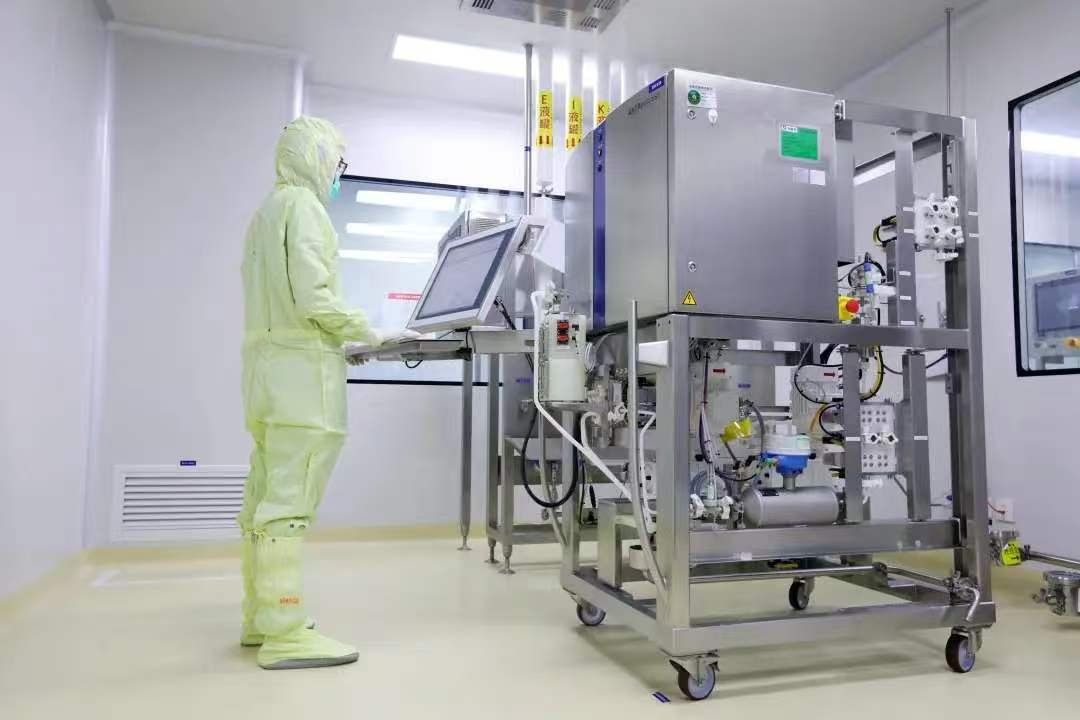
Strengths: Stable permeate flux throughout operation; suitable for large-volume processing ranging from hundreds of milliliters to thousands of liters; reusable membrane cassettes post-cleaning; superior protein recovery and controllable shear force.
4 Professional Selection Guidelines: Membrane Material and MWCO Configuration
4.1 Scientific Selection of Membrane Materials
1.Polyethersulfone (PES): Delivers high permeate flux and ultra-low non-specific protein binding, making it the preferred membrane material for protein sample processing. Note that PES exhibits poor chemical resistance against organic solvents such as DMSO.
2.Cellulose Acetate (CA): Highly hydrophilic with minimal protein adsorption and robust chemical tolerance, effectively lowering cross-contamination risks during sample handling.
3.Regenerated Cellulose (RC): Features negligible protein binding and broad compatibility with aqueous and multiple organic solvents, widely applied for sample post-processing downstream of chromatography.
4.2 Molecular Weight Cutoff (MWCO) Mechanism
5 Practical Operational Protocols to Achieve >90% Protein Recovery
1.Trade-off between processing speed and retention efficiency: Larger MWCO accelerates filtration; tighter MWCO maximizes full target protein retention.
2.Volume matching principle: Avoid oversized filtration systems, as excessive dead volume causes irreversible loss of precious protein samples.
3.Protein aggregation mitigation: Concentration gradients generated during centrifugation trigger protein aggregation. Centrifugal ultrafiltration devices equipped with vertical baffles disrupt gradient formation and preserve sample conformational stability.
4.Cross-contamination prevention: Membranes are preserved with proprietary storage solutions and wetting agents; thoroughly rinse membrane cartridges with ultrapure water prior to formal sample loading.
5.Cost control strategy: TFF membrane cassettes are reusable after standardized cleaning; perform routine membrane integrity tests before each run to validate stable separation performance.
6 Conclusion