

As one of the most widely adopted nanomedicine delivery systems to date, liposomes, first discovered in the 1960s, have been extensively deployed in anti-tumor therapeutics, nucleic acid drugs, vaccines and targeted treatment modalities. Their core merits lie in elevated drug delivery efficiency, prolonged in vivo circulation half-life, and drastically attenuated off-target toxicity of conventional small-molecule pharmaceuticals.
Nevertheless, most laboratory researchers predominantly focus on the mere successful fabrication of liposomal vesicles while overlooking a more pivotal concern: whether the liposomal formulation holds scalability and industrial translation potential. For drug delivery platforms, the sole formation of vesicular structures is far from sufficient. A robust liposomal pharmaceutical product must enable consistent control over multiple Critical Quality Attributes (CQAs), encompassing particle size, particle size distribution, polydispersity index (PDI), drug encapsulation efficiency, drug loading capacity, drug retention performance, and surface zeta potential. Among these metrics, particle size is generally required to stay below 100 nm. Uniform, sub-100 nm particles confer favorable in vivo biodistribution and pharmacokinetic profiles. For instance, in oncological therapy, miniaturized liposomes readily exploit the enhanced permeability and retention (EPR) effect of tumor tissues to achieve passive tumor targeting.
In parallel, high encapsulation efficiency and robust drug retention capacity are equally indispensable. Research has validated that phospholipids with high phase transition temperature supplemented with cholesterol reinforce lipid bilayer rigidity and mitigate drug leakage. Additionally, neutral or near-neutral surface charge coupled with polyethylene glycol (PEG) functionalization extends blood circulation duration by minimizing rapid clearance via the mononuclear phagocyte system (MPS). Accordingly, laboratory-scale manufacturing strategies shall prioritize not only experimental success rates but also the early integration of a Quality by Design (QbD) mindset, laying a solid foundation for downstream industrial translation of lab-derived formulations.
1. Which Laboratory-Scale Fabrication Method Best Translates to Industrial Production?
A broad spectrum of liposome preparation techniques has been documented in academic literature, including thin-film hydration, ethanol injection, reverse-phase evaporation, detergent removal, and sonication. However, only a limited subset of these methodologies is commercially viable for large-scale pharmaceutical manufacturing.
Currently, the dominant industrial workflow adopted across the pharma sector integrates the ethanol injection method coupled with membrane extrusion. Its underlying mechanism entails dissolving lipid excipients in anhydrous ethanol, injecting the lipid ethanolic solution into an aqueous phase to form nascent liposomal suspensions, followed by sequential extrusion through polycarbonate membranes of graded pore sizes to homogenize particle dimensions.
This workflow outperforms the commonly used lab-scale thin-film hydration method in multiple dimensions:
First, ethanol exhibits superior biocompatibility compared with toxic halogenated solvents such as chloroform, facilitating compliance with pharmaceutical regulatory limits on residual organic solvents.
Second, lipid self-assembly driven by ethanol diffusion delivers excellent batch-to-batch reproducibility of particle size and PDI.
Most critically, the subsequent membrane extrusion unit operation enables precise dimensional control of liposomes, the cornerstone of consistent product quality.
Numerous mechanistic studies have confirmed that liposome particle size governs not only in vivo tissue distribution but also circulation longevity, tissue penetration capacity and ultimate therapeutic efficacy. Oversized vesicles undergo rapid hepatic and splenic sequestration; broad particle size distribution further triggers inconsistent therapeutic performance across production batches. Therefore, even at the exploratory laboratory stage, researchers are advised to adopt manufacturing workflows that mimic industrial-scale processes, rather than opting for procedures solely for experimental simplicity. Data generated via industrially relevant protocols carry far greater translational value and reduce redundant process development workload during scale-up.
2. Liposome Production Is Far More Intricate Than Perceived: Nine Core Unit Operations Behind a Commercial Product
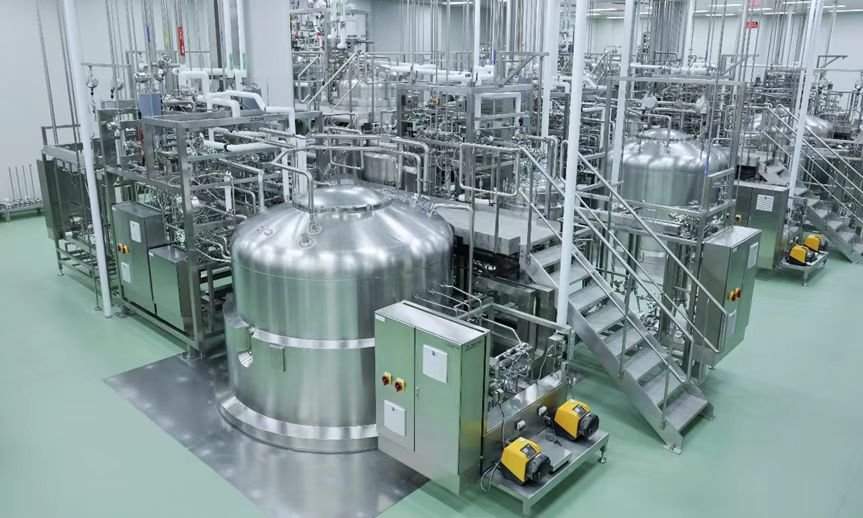
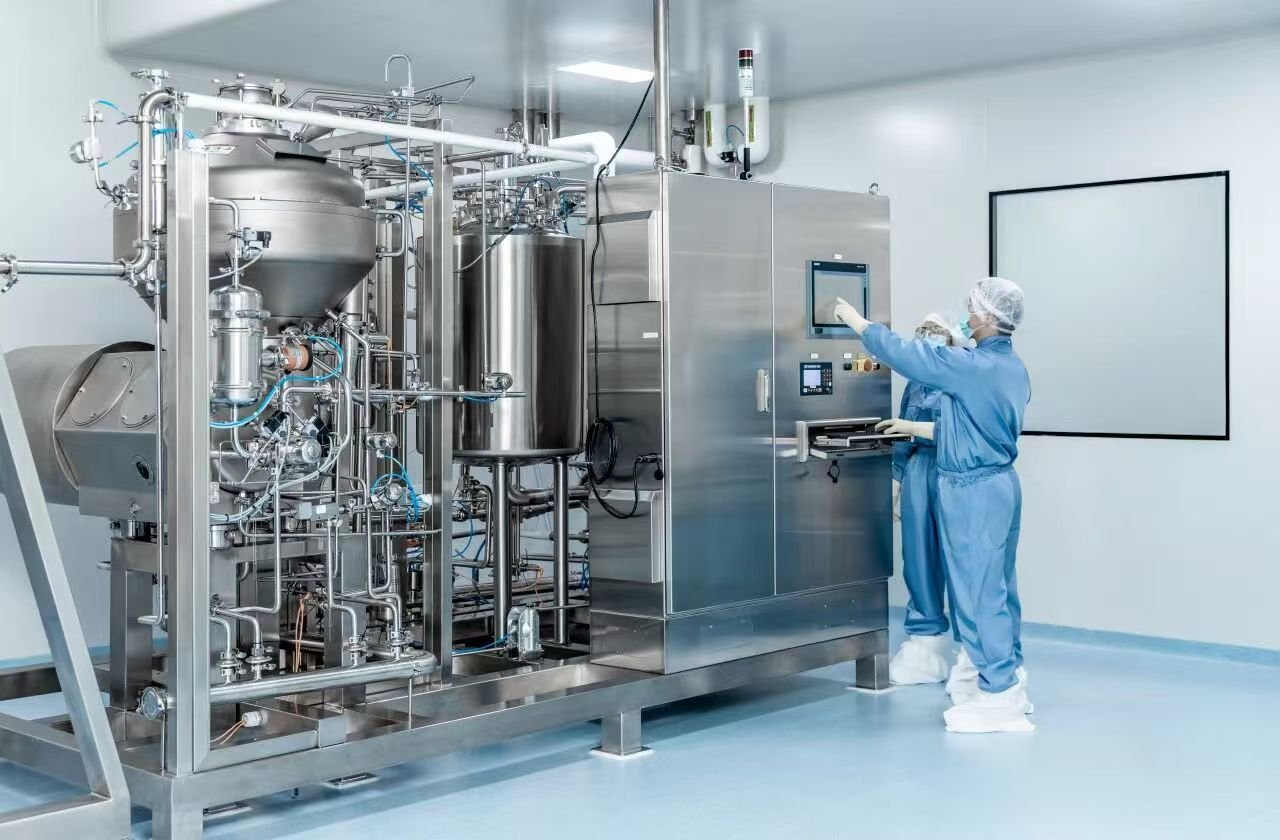
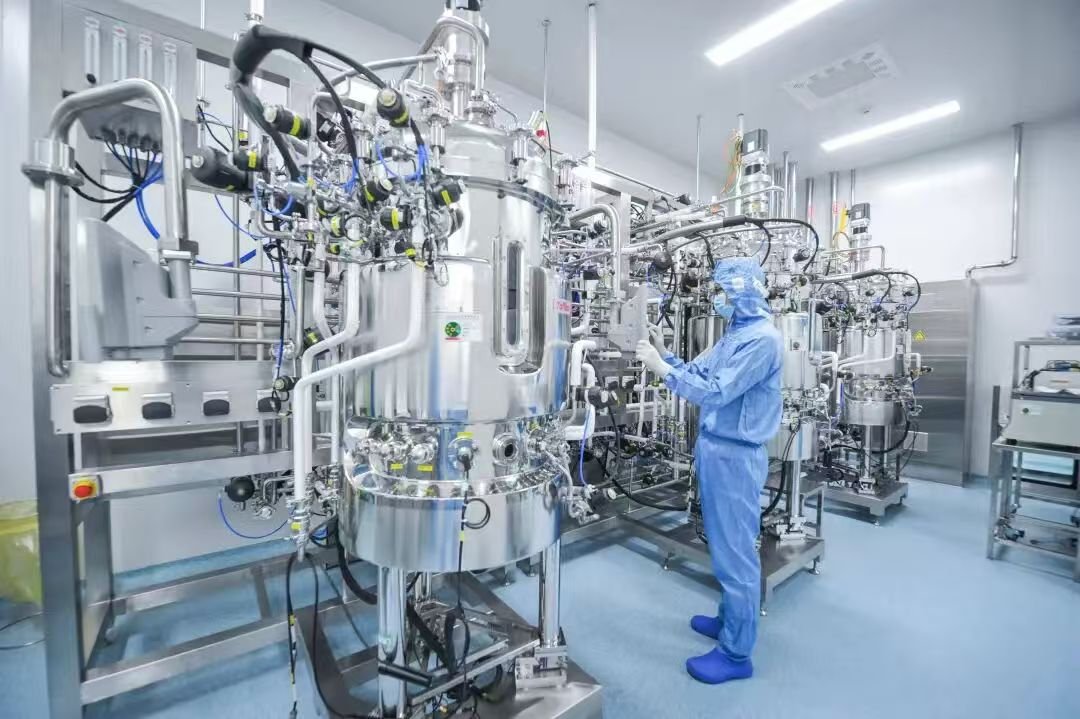
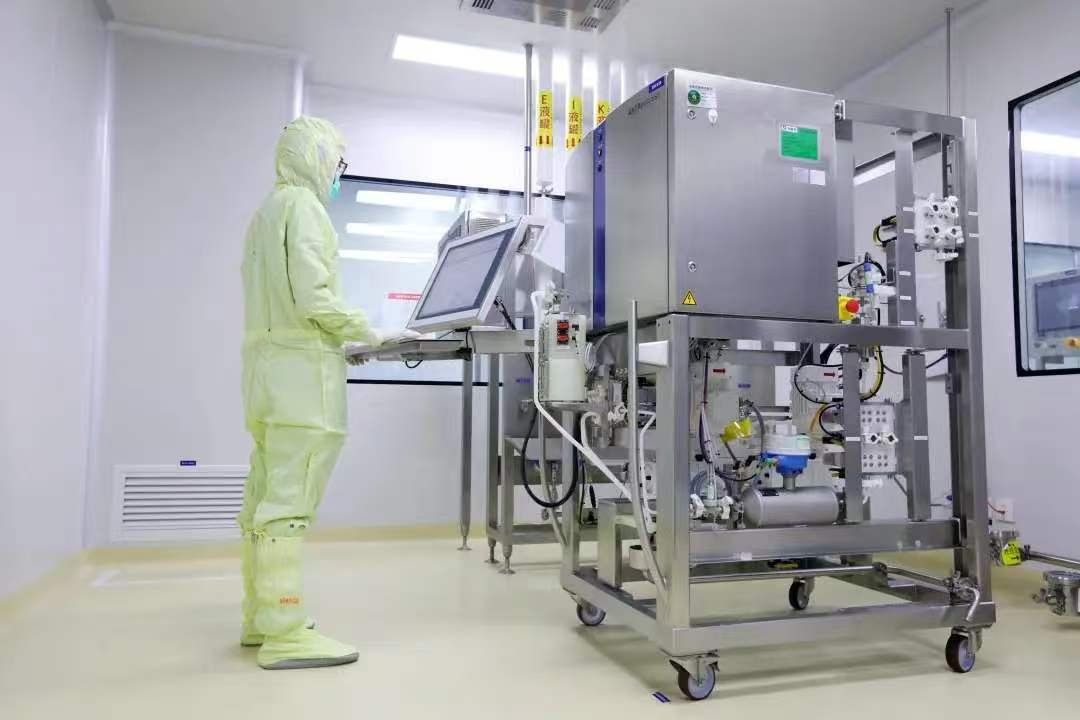
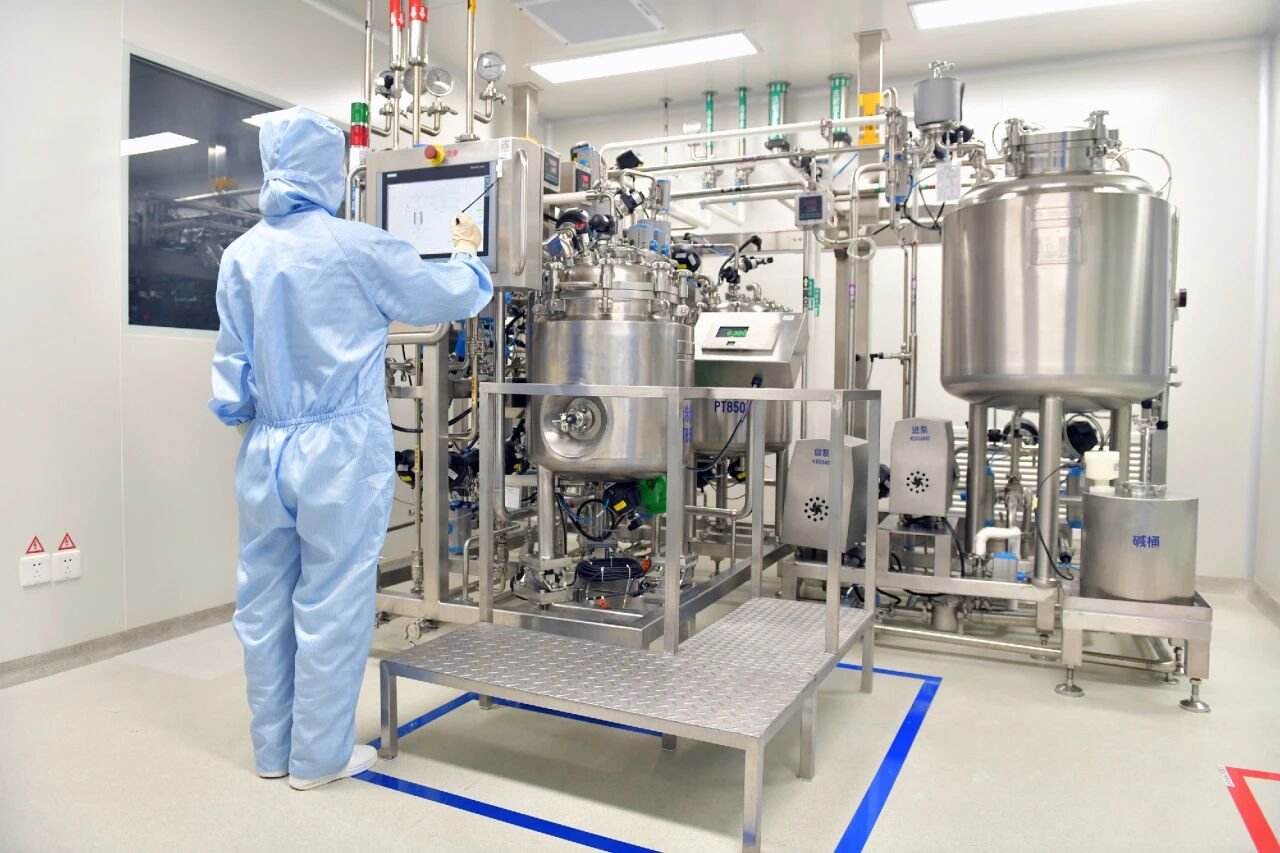
Novice researchers often underestimate liposome manufacturing complexity, assuming the workflow merely involves lipid dissolution, film formation and aqueous hydration. In reality, cGMP-compliant large-scale liposome production constitutes a sophisticated integrated engineering system. A standard industrial manufacturing pipeline incorporates approximately nine sequential unit operations: aqueous buffer preparation & sterile filtration, lipid stock solution preparation & sterile filtration, lipid hydration, membrane extrusion, ultrafiltration/diafiltration, formulation dilution, sterile filtration, terminal filling and finishing.
Each discrete process step mandates dedicated in-line process monitoring and off-line quality testing, covering: pH measurement and adjustment; filter integrity testing; particle size & PDI quantification; zeta potential analysis; phospholipid content assay; microbial limit testing; active pharmaceutical ingredient (API) quantification; related substance impurity profiling; and visual appearance inspection.
If the formulation employs active remote drug loading (e.g., ammonium sulfate gradient loading utilized in Doxil®), process complexity rises substantially. For lyophilized liposomal products engineered to enhance long-term shelf stability, additional development of cryoprotectant formulations and standardized reconstitution protocols becomes mandatory.
Accordingly, laboratory formulation development must account for inherent process complexity from the outset. From a technology transfer perspective, elevated process complexity correlates with a higher incidence of scale-up bottlenecks. Minor deviations within any single unit operation can trigger drastic fluctuations in final product quality. Cultivating a parallel development philosophy—advancing formulation and manufacturing process design simultaneously—markedly improves the industrialization success rate of research projects.
3. Critical Quality Attributes: Core Metrics Determining Liposome Product Performance
The commercial and clinical value of liposomal therapeutics hinges not on any single fabrication technique, but on the consistent fulfillment of predefined CQA specifications. The paramount performance indicators are outlined below:
Drug encapsulation efficiency: Unencapsulated free API elicits severe adverse effects for highly cytotoxic chemotherapeutics, making free drug fraction a non-negotiable quality benchmark.
Mean particle size and particle size distribution: Homogeneous particle dimensions underpin both therapeutic efficacy and patient safety; oversized particulates may induce immunogenic responses or local injection-site irritation.
System pH value: pH modulates API chemical stability, lipid bilayer structural integrity and in vivo drug release kinetics. Suboptimal pH can also trigger injection-site irritation upon intravenous administration.
Other regulatory prioritized quality specifications encompass osmolality, turbidity, residual organic solvent levels, in vitro drug release profiles, sterility and bacterial endotoxin (pyrogen) content.
Cholesterol serves a multifunctional role beyond simple inert excipient: it increases lipid bilayer mechanical rigidity, curtails systemic drug leakage and augments therapeutic potency. Residual organic solvents likewise present dual risks of safety hazards and structural perturbation of lipid bilayers, which accelerates premature drug release. Consequently, a high-performance liposomal formulation represents a balanced optimization of all interconnected CQAs, rather than one-dimensional tuning of an isolated parameter.
4. Future Outlook: Streamlined, Intelligent Liposome Manufacturing Technologies
Despite the versatile therapeutic merits of liposomal delivery systems, the global roster of clinically approved liposomal drugs remains limited, primarily attributable to convoluted, capital-intensive manufacturing workflows. For biopharmaceutical enterprises, complex production processes translate to elevated capital equipment expenditure, extended manufacturing lead times and amplified quality control risks. Hence, a dominant innovation frontier in liposome research focuses on developing simplified, high-throughput fabrication platforms.
Nanoprecipitation (anti-solvent precipitation) stands out as a representative emerging technology. This technique leverages spontaneous lipid self-assembly in tailored solvent environments to generate uniform nanovesicles, eliminating or drastically reducing reliance on conventional membrane extrusion and diafiltration workflows, thereby streamlining end-to-end production.
Microfluidic manufacturing represents another transformative technology garnering widespread industry attention. By enabling precise microscale fluid mixing within micrometer-sized channels, microfluidic chips integrate lipid hydration and vesicle self-assembly in a single continuous step. The highly controllable mixing regime directly yields liposomes of target particle dimensions, bypassing discrete lipid hydration and extrusion unit operations. Notably, microfluidic platforms have already been deployed for preclinical and commercial-scale production of advanced lipid nanoparticles (LNPs) for mRNA vaccines.
The developmental paradigm for liposomal research is undergoing a fundamental shift for academic investigators: formulation optimization is no longer the sole priority; equal emphasis must be placed on process simplification, continuous manufacturing and industrial scalability.
In essence, the evolutionary trajectory of liposome technology extends beyond engineering superior liposomal carriers—it demands fabricating high-performance liposomes via simplified, robust, readily scalable workflows. Only when liposome production achieves high efficiency, batch consistency and seamless scale-up can this versatile drug delivery platform fully unlock its clinical potential and deliver therapeutic benefits to broader patient populations worldwide.