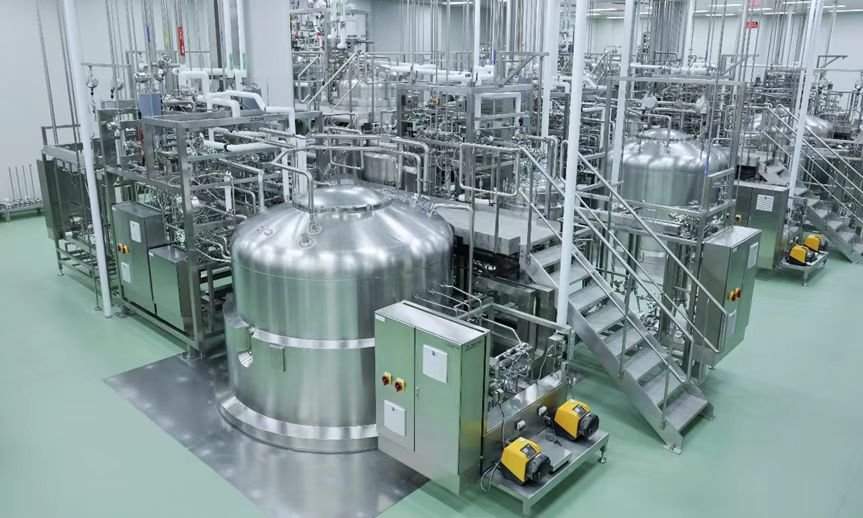

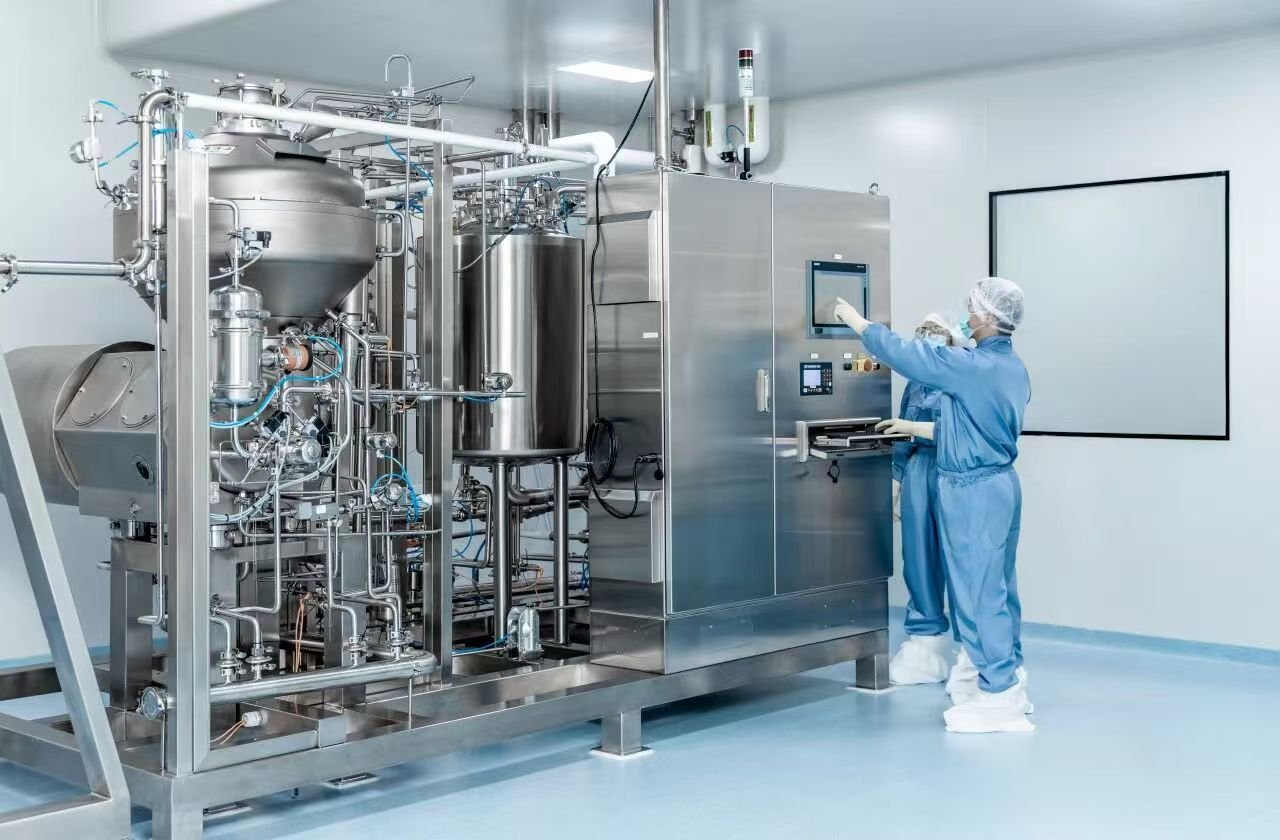
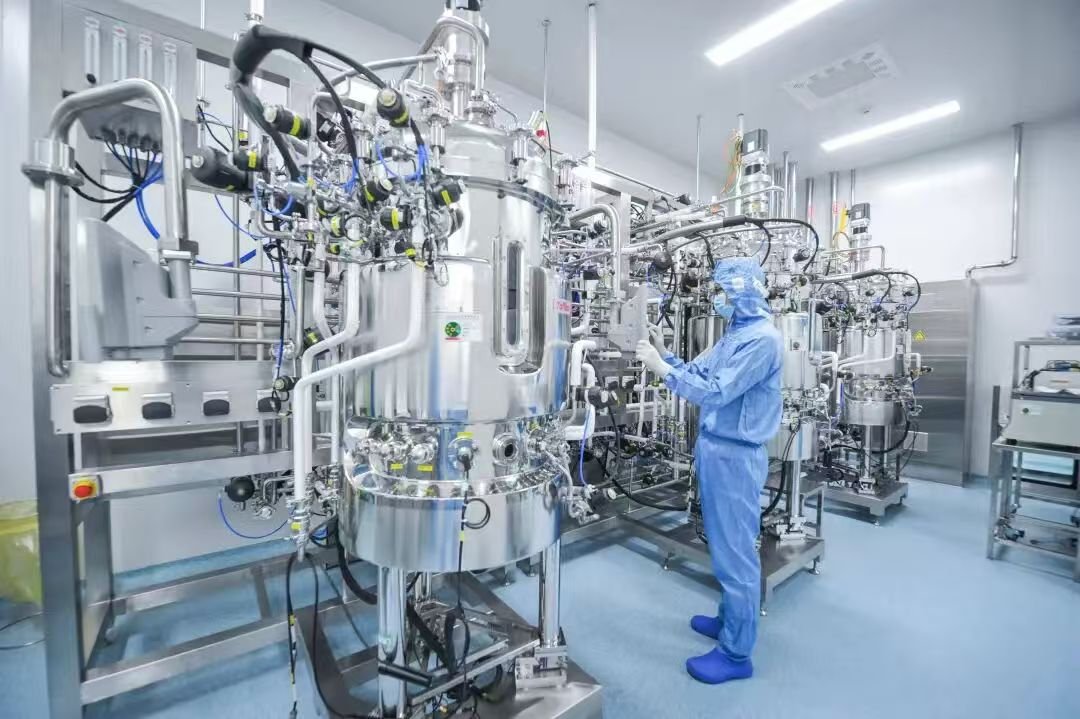
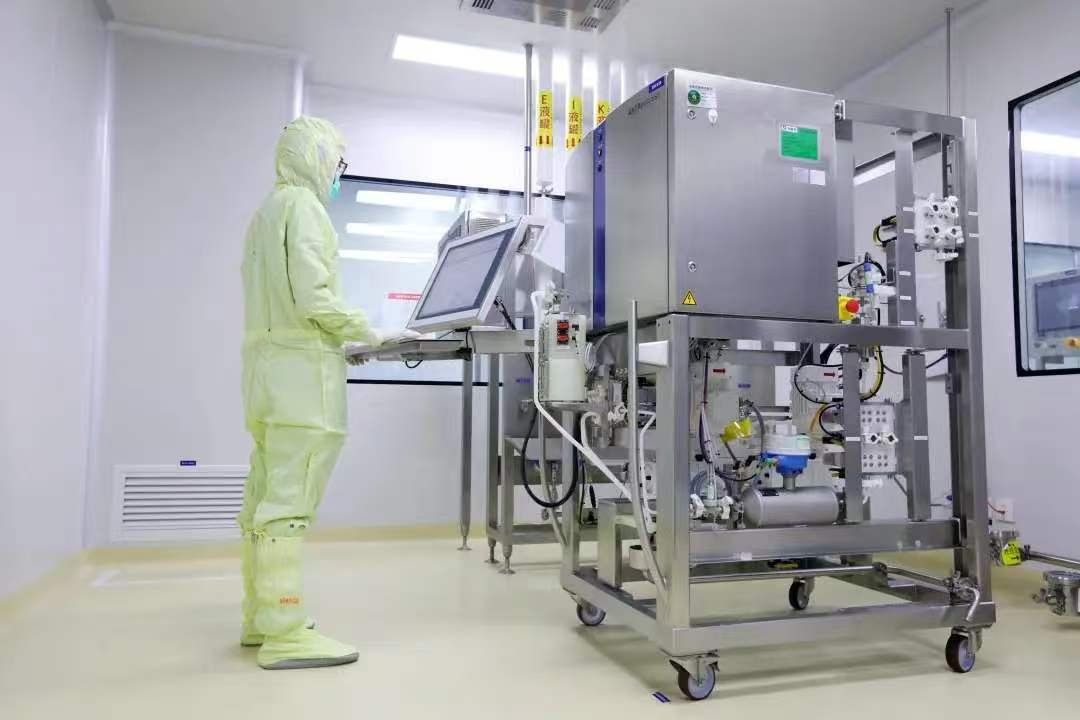
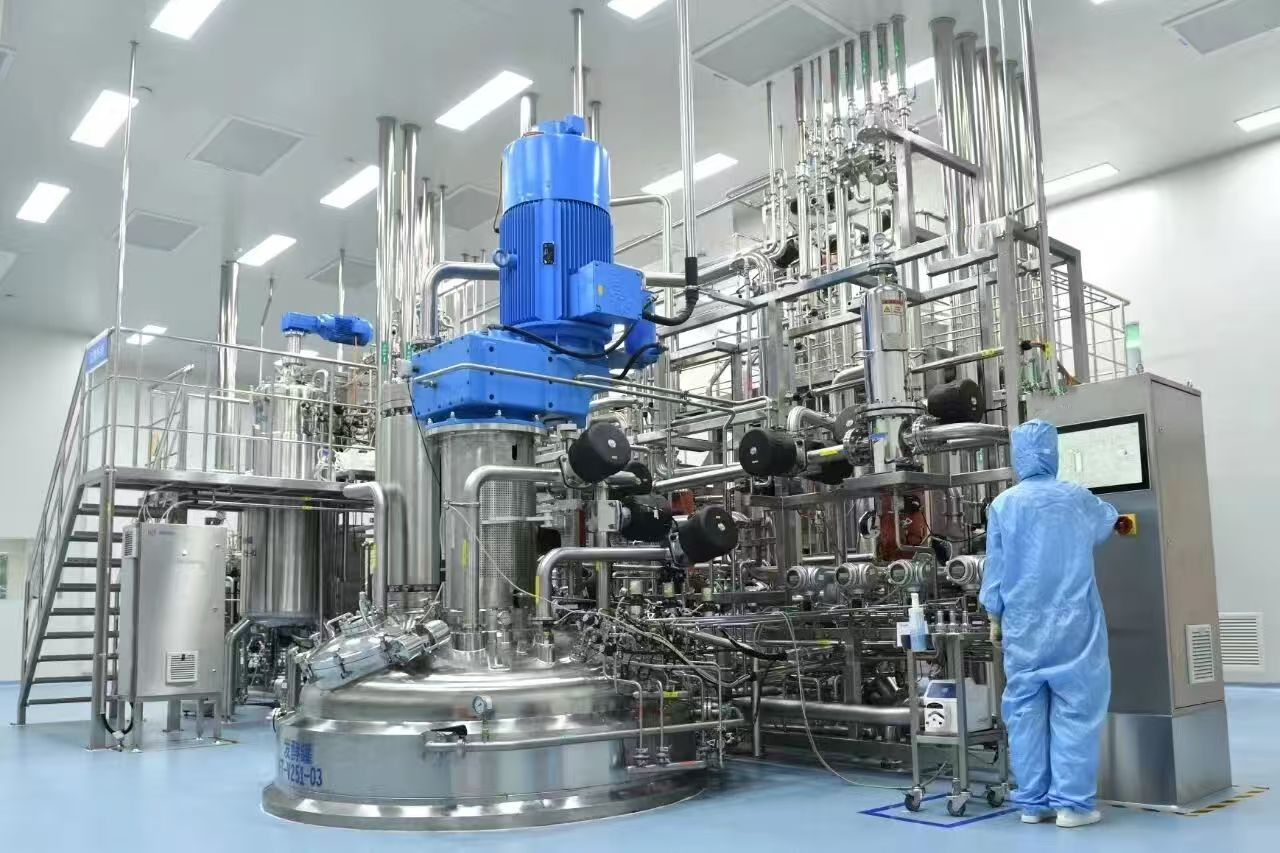
The pharmaceutical industry stands apart from other industrial sectors for one critical reason: every project decision must align with core manufacturing principles and stringent regulatory compliance. In pharma, good facility and equipment design are never just about functionality or cost-efficiency, they are about ensuring product quality, batch consistency, and full regulatory adherence.
Today, it is nearly impossible to deliver a qualified pharmaceutical project without solid expertise in pharma processes and regulatory requirements. This rule applies to every stage of the entire project lifecycle, covering site planning, cleanroom design, process equipment customization, and on-site construction.
Many pharmaceutical project failures, including operational bottlenecks, post-completion rectifications, and regulatory audit non-compliance, stem from a common root cause: ignoring the process logic and regulatory requirements. A facility layout that lacks process rationality will lead to inefficient production workflows and cross-contamination risks. A cleanroom design that fails to meet regulatory cleanliness, ventilation and zoning standards cannot pass official audits or support formal production. Similarly, process equipment designed without matching production parameters and compliance specifications will compromise product quality and batch uniformity, no matter how sophisticated the hardware is.
In essence, pharmaceutical projects are process-driven and regulatory-bound. Engineering capability forms the foundation of implementation, while process mastery and regulatory awareness determine the fundamental quality and compliance of the final project output.
For all practitioners engaged in pharma plant design, cleanroom engineering, process equipment manufacturing, integrating process thinking and regulatory compliance into every detail of project delivery is the core of professional competence and the key to stable, high-quality project delivery.