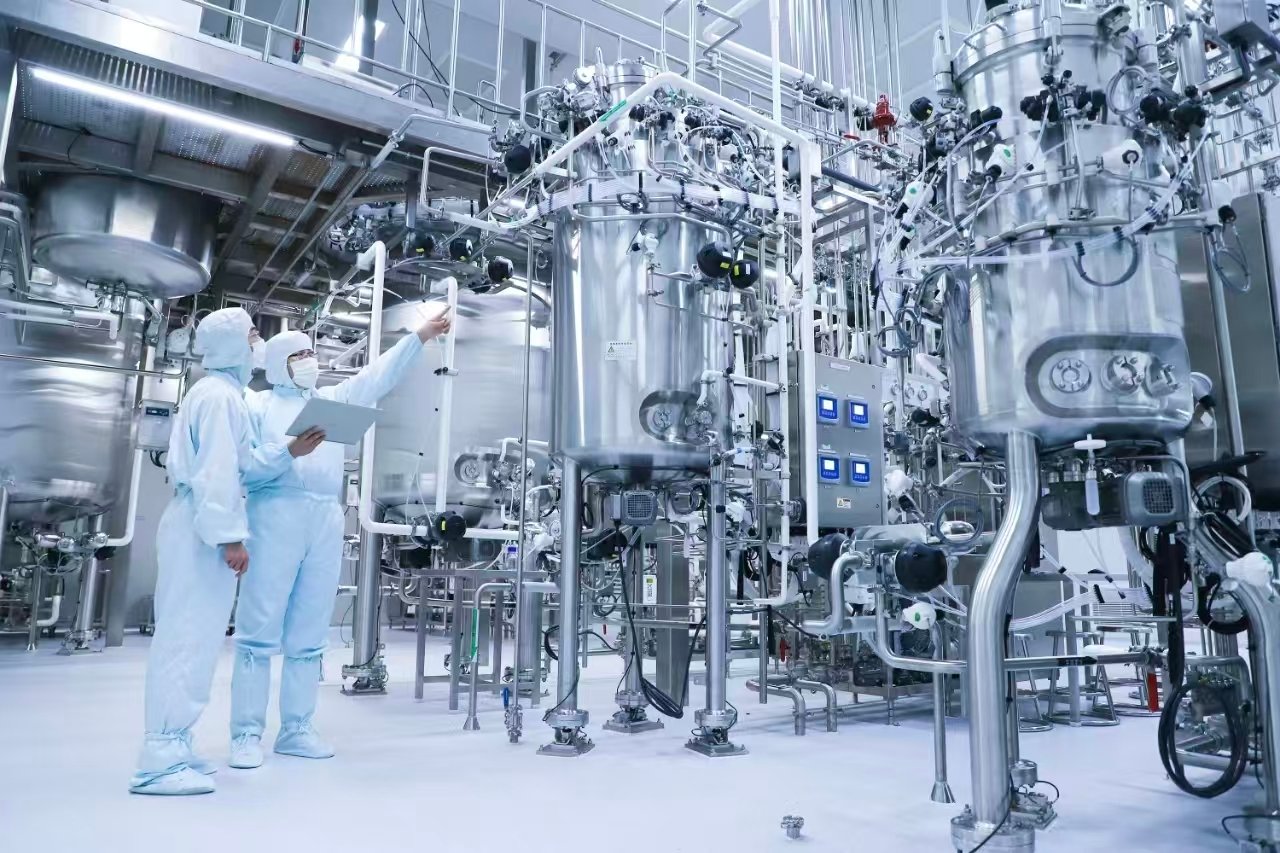
Exogenous microbial contamination in bioreactor cultivation poses severe threats to biomanufacturing processes. Unintended microbial contaminants in bioreactors can significantly reduce product titers and yield, induce the generation of harmful by-products, and result in full-batch scrappage and economic losses. Therefore, strict sterile isolation and effective microbial proliferation control are essential prerequisites for stable and qualified bioproduction.
Modern bioreactors are optimally designed with sterile structural configurations and standardized process control systems to minimize contamination risks at the source. However, microbial contamination remains recurrent in industrial production. The identification of contamination root causes is complicated due to the multiplicity and concealment of potential risk factors.
1. Root Causes of Bioreactor Contamination
1.1 Inoculation Contamination
Aseptic seed cultures are prerequisite for pure cultivation. Contaminated seed stocks will introduce exogenous microorganisms into bioreactors during inoculation, leading to systemic microbial contamination of the cultivation system.
1.2 Incomplete Medium Sterilization
Culture media provide nutrients for microbial growth. Insufficient sterilization of media creates favorable growth conditions for adventitious microbes, causing massive colonisation and proliferation of contaminants in bioreactors.
1.3 Residual Spores in Medium Raw Materials
Powdered medium raw materials commonly contain thermostable bacterial endospores. Such endospores can tolerate conventional sterilization temperatures and retain viability after standard autoclaving. Batch replacement of qualified raw materials from suppliers is recommended once this risk is identified.
1.4 Bioreactor Structural Design Defects
Dead legs and structural dead zones in bioreactor systems form low-temperature cold spots. These areas prevent full steam penetration and complete condensate drainage during sterilization, forming persistent microbial colonization niches and causing residual contamination.
1.5 Non-standard Sampling Operations
Open sampling operations break the sterile barrier of bioreactors, leading to ambient microbial ingress and sample contamination. Contaminated samples may produce false-positive sterility test results, causing misjudgment of in-vessel contamination. It is necessary to strictly distinguish sampling-induced contamination from intrinsic bioreactor contamination in sterility assessment.
1.6 Sterile Filter Failure
Damaged, damp or fouled gas filters are major contributors to bioreactor contamination. Routine filter integrity testing is mandatory for daily sterile maintenance. During off-line autoclaving of filters and peripheral pipelines, full steam penetration of filter media and pipeline systems must be guaranteed to eliminate residual microbial residues.
1.7 Non-aseptic Pipeline Connection
All sterile connections of feed pipelines, filters and auxiliary components to bioreactors after sterilization must comply with validated SOPs. Non-standard connection operations will destroy system sterility and introduce exogenous contaminants.
1.8 Failure of Sealing Components
Defective, deformed or fouled O-rings and damaged valve diaphragms can damage sterile boundary integrity and form microbial leakage channels. Regular inspection and preventive maintenance of sealing components are required. For double mechanical seal structures, concealed primary seal leakage shall be monitored via periodic leak detection to avoid latent contamination risks.
1.9 Contamination Risk of Acid-Base Feed Pipelines
Although acid and alkali feed solutions are sterile, entrained airborne contaminants in feed pipelines may enter the bioreactor during feeding processes, resulting in latent microbial contamination.
1.10 Sterilization Defects of Solid-containing Medium
Solid particles in complex media can encapsulate microorganisms and endospores, shielding them from conventional thermal sterilization. Extended sterilization holding time is required to achieve thorough sterilization of solid-containing media.
1.11 Faulty Medium Filtration Sterilization
The efficacy of sterile filtration depends on qualified filter integrity and standardized operational procedures. Defective filter membranes or non-standard filtration operations will lead to failed medium sterilization and secondary contamination.
1.12 Improper Autoclave Sterilization Parameters
Static medium autoclaving without stirring leads to uneven heat distribution. Insufficient sterilization holding time caused by underestimated microbial thermal resistance results in incomplete medium sterilization and residual viable contaminants.
2. Standard In-Situ Sterilization (SIP) Protocol
For integrated SIP sterilization of bioreactors and culture media, the following standardized procedures shall be implemented to eliminate microbial intrusion risks:
2.1 Condenser Cooling Control: Cease the cooling function of exhaust reflux condensers before sterilization to avoid temperature fluctuation and stabilize sterilization conditions.
2.2 Adequate Exhaustion During Temperature Ramp-up: Fully exhaust air from the entire bioreactor system during the heating phase to ensure saturated steam penetrates all vessel cavities and eliminates sterile dead zones.
2.3 Vacuum Prevention During Cooling Phase: Maintain continuous sterile gas supplementation after sterilization to avoid negative pressure vacuum, which may cause ambient air ingress through micro-leakages.
2.4 Optimized Sterile Sampling Configuration: Adopt submerged sampling ports below the liquid level to prevent backflow of non-sterile external liquid and eliminate sampling-associated contamination risks.
3. Systematic Contamination Troubleshooting and Elimination Protocol
Once microbial contamination is detected in cultivation processes, rapid root cause localization and permanent risk elimination are critical to minimize production losses. A tiered troubleshooting strategy is formulated as follows:
3.1 Primary Sterility Challenge Test
First, perform full in-situ re-sterilization of the contaminated bioreactor. Prepare universal complex challenge medium capable of supporting broad-spectrum microbial growth, load it into the vessel, and conduct standardized SIP sterilization with all operational errors strictly prohibited.
Subsequently, adjust the bioreactor to routine cultivation parameters (temperature, pH, agitation and aeration) and operate continuously for no less than 48 hours. Continuous aseptic sampling and sterility detection shall be performed in strict accordance with standardized sampling protocols.
To improve detection accuracy, a two-stage test is adopted: firstly, static culture without aeration for sterility verification; if no contamination is observed, proceed with aerated culture to further exclude gas supply and filter-related contamination risks.
3.2 Full Sterile Boundary Maintenance
If contamination persists after filter replacement and primary challenge testing, replace all sealing components on the sterile boundary and thoroughly clean O-ring grooves to eliminate latent leakage risks.
3.3 Tyndallization for Endospore Elimination
Persistent contamination after conventional sterilization and seal maintenance indicates residual thermostable endospores. Excessively high sterilization temperatures will damage sealing components and vessel structures. Accordingly, Tyndallization is applied for residual spore elimination.
This cyclic sterilization process involves repeated cycles of medium-assisted incubation and conventional thermal sterilization. Complex medium is used to induce endospore germination into vegetative cells, which are completely inactivated in subsequent sterilization cycles.
3.4 Upstream Raw Material Traceability Analysis
Recurrent contamination after all aforementioned troubleshooting measures confirms that endospores are introduced via medium raw materials. Full traceability investigation of raw material sourcing, formulation and medium preparation processes is required to identify upstream contamination nodes and implement source control strategies.