





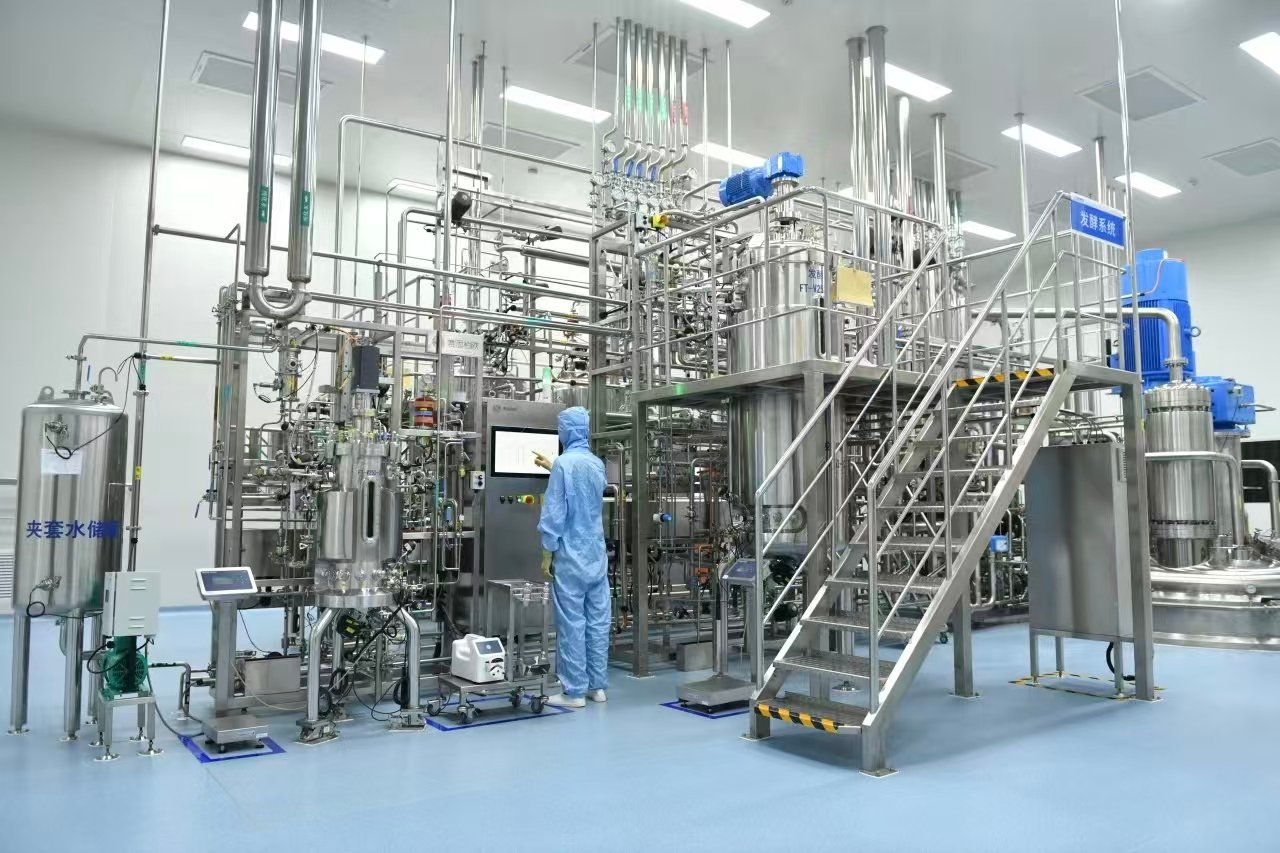
Antibody-Drug Conjugates (ADCs) represent a vital modality in precision medicine. Their production combines characteristics of biologics (monoclonal antibodies) and chemical drugs (cytotoxic payloads), imposing far more stringent requirements on facility process design and layout compared with conventional pharmaceutical manufacturing. Designs must satisfy aseptic requirements and protein stability criteria for biologic production, mitigate leakage risks of cytotoxic substances, and comply with mandatory GMP requirements governing cross-contamination control and traceability. Integrating the production-specific attributes of ADCs, this paper systematically summarizes core principles and key considerations for facility process design and layout, providing technical references for compliant manufacturing.
I. Core Principles of Process Design for ADC Manufacturing Facilities
(1) Process Route Alignment Design
The ADC manufacturing workflow consists of four core stages: antibody expression and purification, payload synthesis and activation, conjugation reaction, and final product purification and formulation. Process design shall enable seamless connection and attribute adaptation across all stages. For antibody production, biomanufacturing specifications shall be followed. Single-use bioreactors or stainless steel bioreactor systems shall be deployed, supported by chromatographic systems, ultrafiltration/diafiltration and other purification units. Process design shall guarantee low-temperature stability of proteins (typically 2–8°C) and prevent antibody denaturation caused by excessive agitation.
Payload synthesis and activation belong to chemical synthesis operations. A dedicated organic synthesis area shall be established, equipped with explosion-proof reactors, low-temperature cooling systems (certain payloads require storage below -20°C), and effective exhaust treatment systems to avoid diffusion of volatile toxic solvents.
The conjugation reaction serves as the core unit operation. Process design shall focus on precise control of critical parameters including reaction temperature, pH and agitation speed. Online monitoring systems shall track reaction progress in real time, while inert gas blanketing systems (nitrogen or argon) shall be installed to prevent oxidation and compromised conjugation efficiency.
Final product purification shall adopt combined chromatographic techniques such as hydrophobic interaction chromatography and ion exchange chromatography in consideration of properties of antibodies and chemical payloads. Process design shall ensure cleanability of purification systems to avoid residual impurities impairing product purity.
(2) Cleanroom Classification and Temperature & Humidity Control
Aseptic requirements apply throughout the entire ADC manufacturing process. Process design shall divide zones with defined cleanliness grades according to operational demands. Antibody expression, purification and final product formulation shall meet Grade A (dynamic) requirements, fitted with laminar air flow systems and HEPA filters, alongside online particle counters for continuous monitoring. Conjugation and payload synthesis zones involve chemical reagents and may be classified as Grade B. Effective segregation from biologic clean zones is mandatory to prevent mutual cross-contamination by chemical pollutants.
Zone-specific precision control of temperature and relative humidity is required:
1.Biologic manufacturing zones: 20–24°C, relative humidity 45%–65% to maintain antibody stability;
2.Chemical synthesis zones: adjustable within 18–28°C per process requirements, relative humidity below 60% to avoid chemical reagent degradation and equipment corrosion under humid conditions.
Independent HVAC systems shall be deployed for each cleanliness grade zone. Direct air interconnection between different zones is prohibited. Exhaust air shall undergo filtration before discharge to prevent environmental contamination.
(3) Material and Waste Handling Process
ADC manufacturing involves multiple categories of materials: biologic raw materials (cell banks, antibodies), chemical reagents (cytotoxic payloads, crosslinkers), excipients and others. Process design shall establish a closed-loop material handling system to eliminate cross-contamination and safety hazards.
All incoming materials shall undergo decontamination prior to entering production zones. Biologic raw materials shall be transferred into biologic clean zones via pass-through hatches equipped with UV disinfection. Chemical reagents shall enter chemical synthesis zones through explosion-proof transfer chambers fitted with pressure balancing devices to avoid leakage of volatile vapours.
Material transfer shall utilise dedicated pipelines or closed containers; open transfer is prohibited. Transfer pipelines for biologic materials such as antibodies shall adopt sanitary-grade stainless steel with smooth, crevice-free inner surfaces to facilitate cleaning and sterilisation. Chemical reagent transfer pipelines shall be made of corrosion-resistant materials (PTFE, Hastelloy) matching reagent properties.
Waste treatment shall be designed by classification:
1.Biologic waste (cell culture waste fluid, spent antibodies): autoclaved first, then disposed of in accordance with medical waste regulations;
2.Chemical waste (cytotoxic waste liquid, spent reagents): collected separately and treated via chemical neutralisation, incineration or other methods to meet environmental discharge standards;
3.Hazardous waste shall be stored individually in explosion-proof, corrosion-resistant cabinets with prominent warning labels, and disposed of by licensed contractors.
II. Core Principles of Layout Design for ADC Manufacturing Facilities
(1) Clear Functional Zoning
Facility layout shall follow the principles of functional zoning, separation of personnel and material flows, segregation of clean and contaminated flows. Five core functional zones shall be defined: biologic manufacturing zone, chemical synthesis zone, conjugation reaction zone, formulation & packaging zone, and auxiliary facility zone.
Physical segregation (solid walls, independent corridors) shall be implemented between the biologic manufacturing zone and chemical synthesis zone to prevent mutual biologic and chemical contamination. Positioned as the interface linking biologic and chemical operations, the conjugation reaction zone shall be arranged between the two zones, with material transfer via pass-through hatches to minimise transfer distances and contamination risks.
The formulation and packaging zone shall be adjacent to the final product purification zone with dedicated entry and exit points to avoid flow crossover with other zones. Auxiliary facilities (air handling units, WFI stations, wastewater treatment stations, electrical substations) shall be arranged at the building periphery or basement, separated from production areas to mitigate noise and vibration interference and facilitate maintenance.
Each functional zone shall be further subdivided into unit operations. For instance, the biologic manufacturing zone can be split into cell culture rooms, chromatographic purification rooms and ultrafiltration rooms. Buffer airlocks shall be installed between unit operations, equipped with air showers to ensure decontamination of personnel and materials prior to entering clean zones.
(2) Separation of Personnel Flow and Material Flow
Independent access routes shall be designed for personnel. Operators shall complete sequential gowning, hand washing and disinfection before entering production zones. Entry into biologic clean zones requires staged gowning: Grade 1 (street clothing removal), Grade 2 (cleanroom garment donning), Grade 3 (sterile gown donning), followed by air shower. Each gowning stage shall occupy separate changing rooms fitted with clean garment lockers, sinks and disinfection dispensers. Entry into chemical synthesis zones requires dedicated changing rooms, where operators don chemical-resistant protective suits, gloves and respirators.
Cross-movement of personnel between zones of different cleanliness grades is prohibited. Dedicated corridors with one-way signage shall connect zones to prevent reverse flow.
Material flow shall adopt separate material inlet and outlet routes. After receiving, inspection and decontamination, incoming materials shall be conveyed to respective production zones via dedicated material corridors. Qualified finished products shall be transported to warehouse areas through dedicated finished product routes.
Material corridors shall be physically separated from personnel corridors, either via overhead transfer galleries or underground piping to avoid direct contact between personnel and materials. Interlocking pass-through hatches or transfer chambers shall be installed between functional zones to prevent simultaneous opening and subsequent clean zone contamination.
(3) Safety Protection and Emergency Layout
Given the handling of cytotoxic materials during ADC manufacturing, safety protection design shall be reinforced within the facility layout with dedicated safety zones. Chemical synthesis and conjugation zones shall adopt explosion-proof design, fitted with explosion-proof lighting and electrical equipment and inert gas blanketing systems. Floors and walls shall be constructed using corrosion-resistant, easily cleanable materials (epoxy flooring, PP wall cladding), with bunds to contain leaked chemical reagents. Emergency safety showers and eyewash stations shall be installed within 15 metres of all workstations for immediate first aid upon accidental chemical exposure.
Independent emergency access routes with minimum width of 1.2 m shall be maintained unobstructed, marked with clear signage and directly connected to outdoor safe areas. Emergency stop buttons, fire alarm systems and fire extinguishers shall be installed at key locations (chemical synthesis and conjugation zones). Emergency equipment shall undergo regular inspection and maintenance to guarantee functionality.
A dedicated safety control room shall be arranged, equipped with video surveillance and gas detection systems (toxic and flammable gas detectors) to monitor operational safety across all zones in real time and trigger emergency responses upon abnormal conditions.
III. Key Considerations for Process Design and Layout of ADC Manufacturing Facilities
(1) Balancing Regulatory Compliance and Flexibility
Process design and layout shall strictly comply with GMP, the Revised 2010 Chinese GMP, Good Manufacturing Practice for Biologics and other regulatory requirements. Meanwhile, appropriate flexibility shall be reserved to accommodate process optimisation and product iteration. Modular design concepts can be adopted in process design. Core production equipment (bioreactors, chromatographic systems) shall be scalable, with reserved piping interfaces to facilitate capacity expansion or process adjustments in the future. For layout design, spare areas shall be reserved for potential conversion into new unit operations, avoiding large-scale facility retrofits that disrupt ongoing production.
Regulatory updates shall be tracked continuously to ensure process design and layout remain consistent with latest compliance requirements, including newly introduced environmental and safety regulations governing waste handling and protective installations, and corresponding technical upgrades and layout adjustments shall be implemented timely.
(2) Equipment Selection and Installation Compatibility
Equipment selection shall precisely match process requirements while ensuring compatibility with facility layout. Biologic production equipment shall be GMP-compliant sanitary-grade units with CIP (Clean-in-Place) and SIP (Sterilise-in-Place) functionality, featuring smooth, crevice-free wetted surfaces meeting biocompatibility specifications. Chemical synthesis equipment shall be explosion-proof and corrosion-resistant, with reactors equipped with online monitoring and control for temperature, pressure, agitation speed and other parameters. Conjugation reactors shall adopt closed systems with precise temperature control and inert gas blanketing to prevent material leakage or contamination during reactions.
Equipment installation shall follow the principle of ease of operation, cleaning and maintenance. Minimum clearance of 1.5 m shall be maintained between equipment units for operation; minimum clearance of 0.3 m shall be reserved between equipment and walls/floors for cleaning and inspection. Heavy equipment (large reactors, chromatographic systems) shall be installed on ground floors with reinforced flooring to mitigate structural vibration risks.
(3) Qualification, Validation and Continuous Improvement
Following completion of process design and layout, comprehensive validation activities shall be executed to verify compliance with production and regulatory requirements. Validation scope includes cleanroom performance validation (temperature, humidity, particle count, microbial limit testing), equipment performance validation (CIP/SIP effectiveness, parameter control accuracy), process validation (material balance, product purity verification), and safety protection validation (leak testing, emergency system functionality). All validation outcomes shall be documented in complete validation reports as evidence of manufacturing compliance.
A continuous improvement framework shall be established. The rationality of process design and layout shall be evaluated periodically during production. Feedback from operators, product quality data and environmental & safety data shall be collected to identify latent risks and implement optimisations. For example, potential cross-contamination risks identified in a zone can be addressed via layout adjustment or additional segregation installations. Equipment demand changes arising from process optimisation can be accommodated through adaptive layout modification, ensuring sustained efficient and compliant facility operation.
Process design and layout constitute the fundamental foundation for guaranteeing product quality, operational safety and regulatory compliance of ADC manufacturing facilities. Design must fully address the dual biologic–chemical characteristics of ADC production, balancing aseptic requirements for biologics and safety protection standards for chemical operations. In process design, priority shall be given to process route alignment, cleanroom classification control and scientific material and waste management. In layout design, adherence to clear functional zoning, separation of personnel and material flows and comprehensive safety protection is essential. In parallel, compliance and flexibility shall be balanced, proper equipment selection and validation implemented, and continuous improvement mechanisms established to enable facilities to adapt to technological advances and regulatory updates within ADC manufacturing, laying a solid foundation for the industrial production of high-quality ADC therapeutics.
