


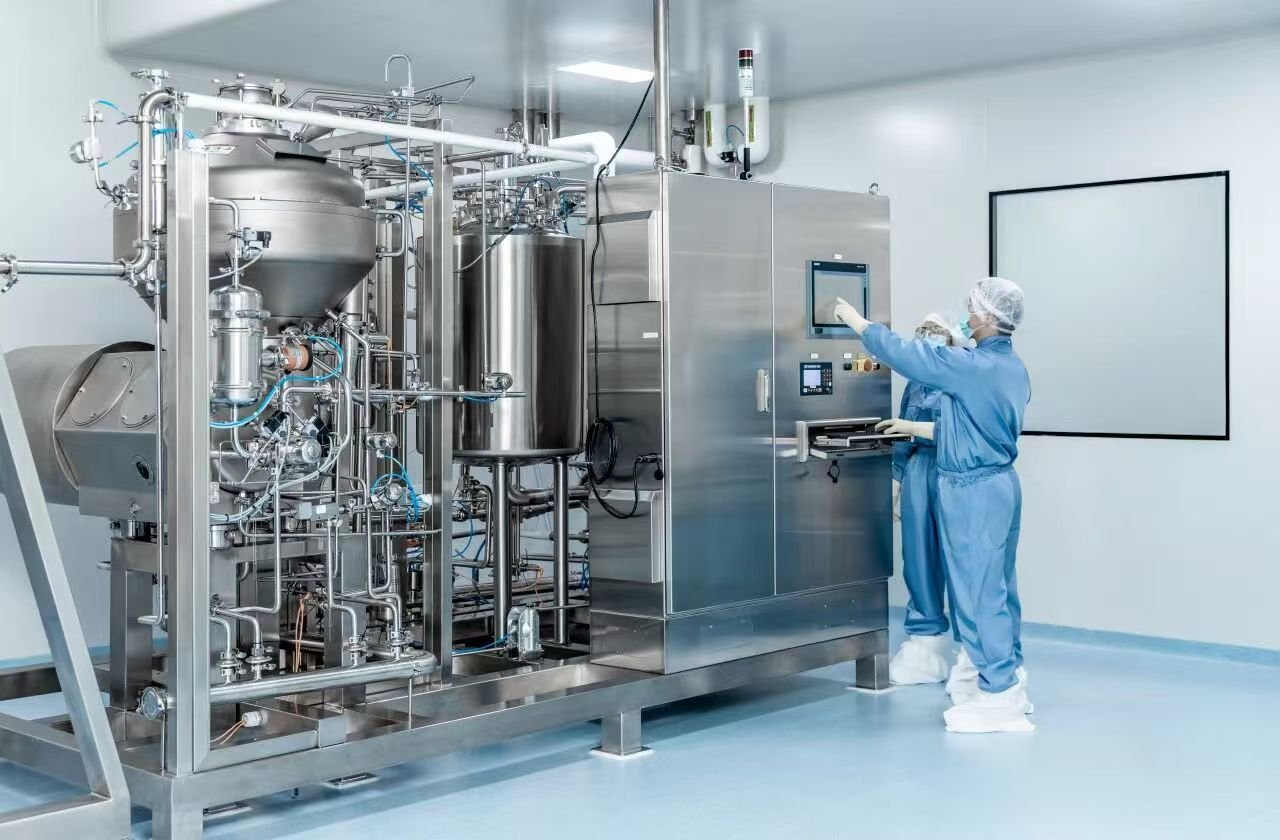

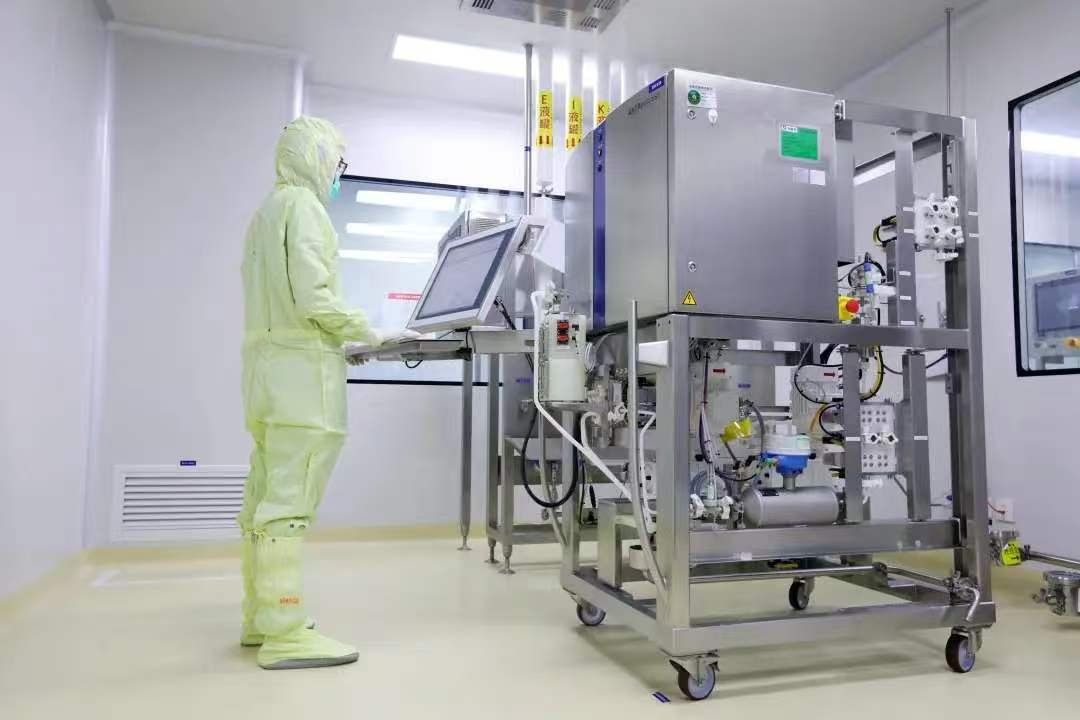

1 Why TFF Has Become the Standard Workhorse for Plasmid Purification
1.High-efficiency concentration and diafiltration
Plasmid concentrations in starting lysates are far lower than those of monoclonal antibodies or recombinant proteins. TFF enables substantial volume reduction prior to costly chromatographic steps, boosting overall downstream throughput and cutting operational expenditures.
2.Excellent linear scalability
Compared with conventional centrifugation or dead-end filtration, TFF systems support seamless linear scale-up from lab-scale R&D to full commercial biomanufacturing campaigns.
3.Precise impurity fractionation
Via molecular weight cutoff (MWCO) discrimination, TFF separates target plasmids from small-molecule contaminants present in lysates, including RNA fragments, endotoxins, linear DNA, and residual salts.
2 Core Process Parameters: Critical Control Levers for Robust Performance
2.1 Selection of Molecular Weight Cutoff (MWCO)
1.Empirical guideline: The membrane pore size should be 3–5 times tighter than the hydrodynamic diameter of the target molecule.
2.Industry benchmark: A 100 kDa MWCO membrane represents the gold standard for plasmids ranging from 5 kbp to 20 kbp in size.
2.2 Flux and Pressure Regulation
1.Transmembrane Pressure (TMP): Low TMP operation (≤10 psi) is strongly recommended for plasmid processing. Excess pressure forces flexible plasmid strands to penetrate membrane pores, triggering significant product loss.
2.Permeate flux: Target operating flux falls within 20–50 LMH (liters per square meter per hour). Literature data confirms full plasmid retention under low-flux conditions; elevated flux exacerbates sieving effects and causes target breakthrough.
2.3 Shear Stress and Feed Flow Rate
1.Feed flow velocity: Controlled at 4–6 LMM (liters per minute per square meter) to minimize shear stress across the membrane cassette.
2.Pump configuration: Dual-pump setups (feed pump + permeate pump) are preferred, enabling independent decoupled control over TMP and permeate flux.
3 Three Primary Process Challenges: Mitigating Product Breakthrough and Structural Degradation
3.1 Sieving Effect
Driving factors: Higher flux intensifies sieving behavior; ionic strength constitutes another decisive variable. High salt concentrations compress the plasmid electrical double layer, shrinking its effective hydrodynamic radius and increasing pore breakthrough risk.
Mitigation strategy: Membrane pre-polarization. Prior to formal filtration, operate full recirculation mode (permeate recycled back to the feed tank) to build a stable polarized layer atop the membrane surface. This dynamic protective layer drastically improves plasmid retention throughout the run.
3.2 Shear Sensitivity
Optimization strategy: Customized channel geometry. As feed concentration rises (especially above 10 mg/mL), feed viscosity spikes sharply. Cassettes with tight mesh screens should be avoided; instead, cassettes with loose mesh or open channel designs reduce frictional contact and localized shear hotspots.
3.3 Balancing Loading Capacity and Viscosity
4 Process Optimization Checklist for Plasmid TFF Process Development
1.Buffer matrix
Optimize buffer salt concentration. Moderate ionic strength stabilizes native plasmid conformation, whereas excessive salt reduces retention efficiency.
2.Contaminant carryover
Monitor residual RNA levels. Persistent RNA drastically elevates feed viscosity and disturbs plasmid-membrane interfacial behavior.
3.Equipment configuration
For systems utilizing 100 kDa or higher MWCO membranes, permeate-side pressure control is mandatory. This configuration prevents excessive membrane surface compaction and sustains stable long-term flux performance.
5 Conclusion