





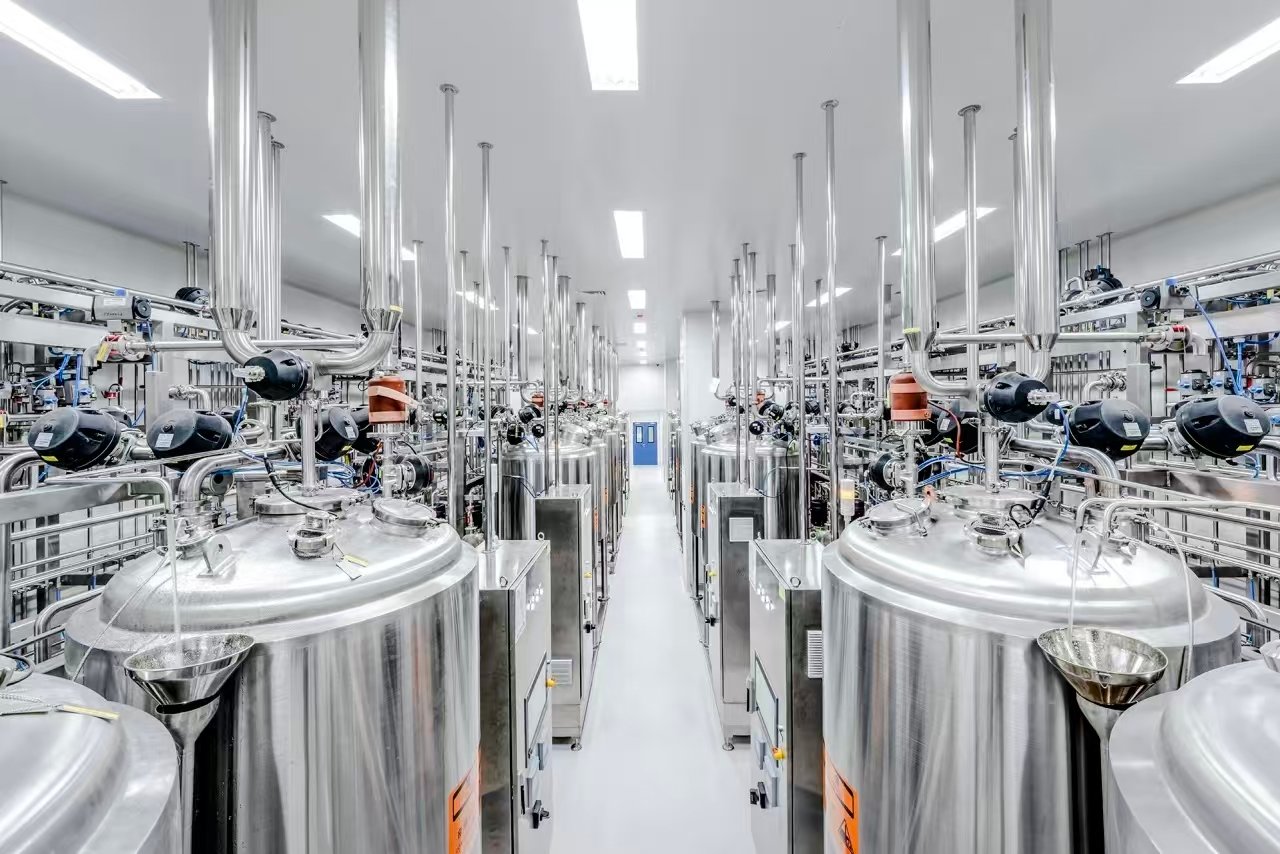
In recent years, Cell and Gene Therapy (CGT), one of the most groundbreaking technological sectors in life sciences, is rapidly transforming the traditional paradigm of disease treatment. Unlike small-molecule drugs and antibody therapeutics, cell and gene therapies act directly at the cellular and genetic material level, delivering long-term therapeutic effects and the potential to cure diseases. At present, CAR-T cell therapy, gene-editing therapies, viral vector-based gene therapies and stem cell-derived therapeutic products have continuously achieved clinical advances, offering novel solutions for previously intractable illnesses such as cancers, genetic disorders, autoimmune diseases and neurological diseases.
Nevertheless, as more advanced therapeutic products enter late-stage clinical development and commercialization, the industry has gradually recognized that the progress of CGT hinges not merely on scientific innovation, but also on manufacturing processes, quality control, regulatory frameworks and commercialization capabilities. The production and regulatory models established for conventional biopharmaceuticals often cannot fully accommodate highly complex, personalized and data-intensive cell and gene therapy products. Accordingly, establishing a more flexible, efficient and sustainable R&D and manufacturing system has become pivotal to further advancing CGT.
1 From Laboratory Breakthrough to Industrialization: Balancing Therapeutic Efficacy and Manufacturability
For cell and gene therapy, a successful candidate product must not only exhibit favorable therapeutic efficacy, but also enable stable production, robust quality control and meet commercial supply demands in the future. Therefore, both biological performance and manufacturability need to be considered at the drug design stage.
Taking gene therapy as an example, the delivery system constitutes one of the critical determinants of therapeutic outcomes. Whether viral vectors or non-viral delivery platforms are adopted, the therapeutic payload must go through multiple key steps: reaching target tissues, recognizing target cells, penetrating intracellular compartments, releasing genetic cargo and ultimately exerting the intended therapeutic effect. Insufficient efficiency at any step may compromise the final efficacy.
Historically, R&D teams tended to prioritize therapeutic performance — such as developing vectors with higher efficiency, stronger gene expression or more precise targeting — while manufacturing considerations were usually addressed at a later stage. However, driven by growing industrialization demands, an increasing number of development strategies emphasize design for manufacturability from the outset.
For instance, a viral capsid with excellent bioactivity may fail to become a commercial product if it is difficult to scale up, suffers from low purification yield or poor batch-to-batch consistency. Hence, advanced therapy development in the future requires early collaboration among R&D, process development, quality and manufacturing teams to synchronize product design with manufacturing capacity.
2 Breaking Barriers Between R&D and Production: Manufacturing as a Core Competency
A prominent challenge confronting the CGT industry in the past has been the disconnect between scientific discoveries and manufacturing development. Many innovative technologies demonstrate outstanding performance at laboratory scale, yet encounter low yield, quality variability and inadequate analytical methods once scaled up.
As a result, the advancement of advanced therapeutic products is reshaping industrial models: manufacturing is no longer merely an execution phase subsequent to R&D, but an integral component of product design.
In viral vector production, vector yield is governed not only by culture systems and purification processes, but also by the physiological state of producer cells. Viral replication imposes metabolic stress and physiological burden on host cells, and cellular responses to such stress directly impact final productivity. Consequently, in-depth understanding of intracellular mechanisms in producer cells and improvement of cellular tolerance via process optimization represent important avenues to boost production capacity.
Meanwhile, automation has emerged as a powerful tool to mitigate industrialization bottlenecks. Advanced therapy products feature complex workflows, multi-step operations and extensive experimental requirements. Manual operations alone are constrained by limited throughput and prone to introducing batch variations. Automated equipment, digital experimental platforms and high-throughput screening technologies empower researchers to rapidly explore process parameters and enhance production efficiency and consistency.
It is worth noting that automation does not simply replace manual labor; instead, it helps the industry overcome constraints of talent and resources, allowing researchers to devote more efforts to innovation and process optimization.
3 Data-Driven Quality Control: AI and Digitalization Reshaping CGT R&D Paradigms
Owing to the high complexity of CGT products, quality assessment remains a longstanding industry challenge. Conventional pharmaceuticals can generally be controlled by well-defined chemical structures or simple indicators, whereas cell and gene therapy products comprise numerous biological components with far more intricate mechanisms of action.
Accordingly, future quality management for CGT requires support from sophisticated analytical techniques and data infrastructure.
On one hand, the industry is developing more precise, high-throughput analytical approaches to identify Critical Quality Attributes (CQAs). Such metrics help researchers pinpoint which product characteristics truly affect safety, efficacy and stability.
On the other hand, artificial intelligence (AI) and digital tools are gradually being integrated into R&D and manufacturing workflows. By consolidating experimental, production and clinical datasets, AI enables researchers to uncover latent patterns in complex biological processes, optimize process parameters and predict product performance.
This capability is particularly vital for CGT. Compared with traditional drugs, cell and gene therapies have limited historical datasets, complex mechanisms and higher uncertainty. AI is expected to compensate for insufficient knowledge accumulation and accelerate the industry’s transition from experience-driven to data-driven operations.
Going forward, the integration of digital quality systems, automated manufacturing platforms and intelligent analytical tools will lay a solid foundation for large-scale CGT development.
4 Continuous Evolution of Regulatory Frameworks: Global Harmonization and Early Engagement as Imperatives
Beyond technical hurdles, the regulatory landscape also exerts a substantial impact on CGT development.
As a relatively novel therapeutic modality, cell and gene therapy is still under continuous exploration by global regulators, enterprises and academic institutions to establish evaluation systems tailored to these products. Currently, discrepancies persist across regions in product classification, manufacturing requirements, quality standards, long-term follow-up and change management.
Among these, Chemistry, Manufacturing and Controls (CMC) matters represent a major focus during CGT review and approval. Given the typical characteristics of CGT products — short production cycles, complex processes and notable batch variability — regulators are increasingly focused on whether developers establish sound production strategies and long-term quality control systems at an early stage.
Therefore, developers need to engage with regulators proactively at an early stage, rather than resolving critical issues in late clinical phases.
At the inception of R&D, developers must define product critical quality attributes, manufacturing routes, analytical methods and commercialization strategies for the future. Examples of such considerations include stable raw material supply, control of process changes, and establishment of quality standards suitable for long-term commercial manufacturing. Earlier planning mitigates downstream development risks.
In parallel, global regulatory systems require further harmonization to reduce costs arising from redundant development and validation across jurisdictions and accelerate the market access of innovative therapies.
5 Future Outlook: CGT Expanding into Broader Disease Areas with a Maturing Industrial Ecosystem
The advanced therapy sector will maintain robust growth in the years ahead. On one hand, next-generation cell and gene therapy technologies will keep achieving breakthroughs, including off-the-shelf cell therapies, in vivo gene editing and non-viral delivery technologies. On the other hand, the industry will place greater emphasis on product manufacturability, cost control and commercial sustainability.
Previously, CGT was predominantly deployed in oncology, represented by CAR-T therapies. As technologies mature, its application scope is expected to expand into autoimmune diseases, genetic disorders, neurological diseases and a wider range of complex conditions.
At the same time, the core of industrial competition will gradually shift from “who can deliver innovative technologies” to “who can build stable, efficient and scalable technology platforms.”
A successful advanced therapeutic product relies on far more than a groundbreaking biological discovery; it demands integrated synergy across cell engineering, gene delivery, manufacturing processes, quality systems, digital technologies and regulatory strategies.
Overall, CGT remains in a phase of rapid expansion. The industry’s future trajectory lies in sustaining innovation while continuously elevating manufacturing maturity and industrialization capacity. Only by combining scientific innovation with engineering capabilities can advanced therapeutic products translate from laboratory benches into broad clinical practice, bringing new treatment options to more patients.
