





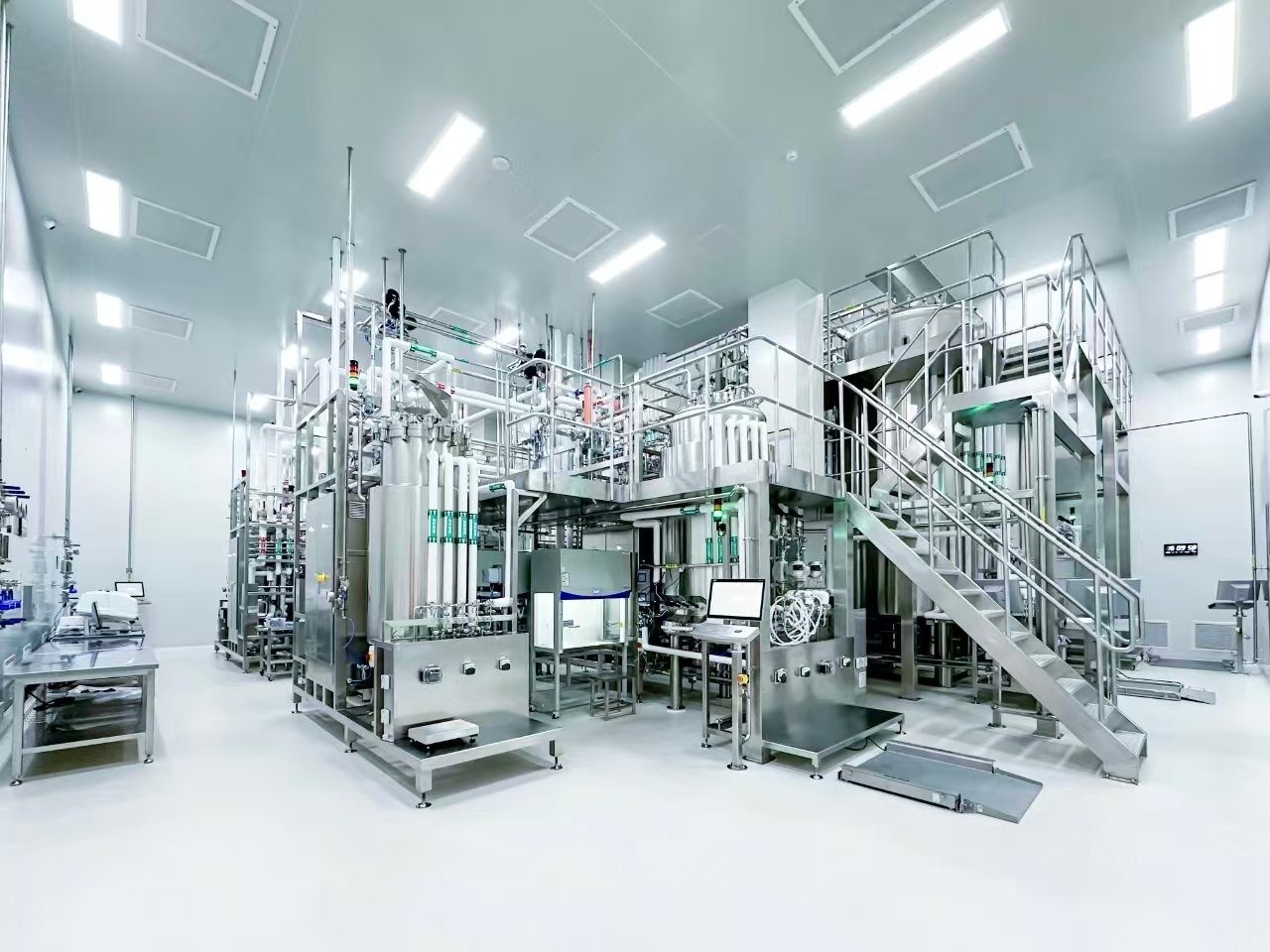
Prefilled syringe injections represent the third-generation packaging form for injectable pharmaceuticals, following ampoules and vials. Featuring simple and rapid administration, accurate dosing, and reduced contamination risks, they are increasingly widely used in pharmaceutical sectors including emergency medications, vaccines, antithrombotic agents, therapeutic albumin and interferons. A prefilled syringe injection is defined as a sterile preparation intended for parenteral administration, manufactured by filling drug substances, or drug substances mixed with suitable excipients, into prefilled syringes. A prefilled syringe assembly consists of a hollow barrel (fitted with a needle or luer cone), a rubber plunger, a needle shield or luer cap, and a plunger rod.
Based on whether terminal sterilization is implemented after filling and sealing, the manufacturing processes for prefilled syringe injections fall into two categories: non-terminal sterilization process and terminal sterilization process. This article mainly summarizes key process management points for the terminal sterilized manufacturing process of prefilled syringe injections. The terminal sterilization workflow comprises raw material weighing, liquid preparation, filtration, filling and sealing, sterilization, visual inspection, plunger rod assembly & labeling, and packaging.
1. Raw Material Weighing
Raw material weighing refers to the accurate weighing of drug substances and excipients in accordance with the pharmaceutical formulation. Prior to weighing, it shall be verified that the suppliers of drug substances and excipients are approved qualified suppliers confirmed by the Quality Management Department, the batch numbers are within validity periods, and valid certificates of analysis are available. Weighing operations shall be performed within a local Class A laminar flow unit in a cleanroom to prevent contamination and cross-contamination. Upon completion of weighing, the weighed quantity shall be rechecked and verified by a second operator.
2. Liquid Preparation
Liquid preparation is the process of dissolving and mixing individual drug substances and excipients sequentially with solvent to form a homogeneous solution in compliance with the process specification. During preparation, the feeding sequence of raw materials and excipients, preparation temperature, stirring duration and final make-up volume shall be strictly controlled. After preparation, samples shall be taken to test assay, pH and other indicators; the subsequent process can only be initiated after passing the acceptance criteria. The preparation time limit and holding time limit of formulated liquid shall not exceed the maximum validated duration.
3. Filtration
Filtration removes fine particles and microorganisms from liquid pharmaceuticals by sequential passage through filters with a pore size of 0.45 µm (or other specified pore sizes) followed by 0.22 µm sterile-grade filters. Process parameters including differential pressure, temperature, flow rate and filtration duration shall be established according to process validation results. The material and pore size of filters shall not be altered arbitrarily. Filter integrity testing shall yield satisfactory results both before and after liquid filtration.
4. Filling and Sealing
Filling and sealing is the process of sealing sterile-filtered liquid pharmaceuticals into prefilled syringes. Major operational steps include surface decontamination, outer packaging removal, inner packaging removal, filling and stoppering.
4.1 Surface Decontamination of Prefilled Syringe Barrels and Rubber Plungers
After removing outer cartons, prefilled syringe barrels and rubber plungers shall undergo surface spray decontamination using 75% v/v ethanol or other non-toxic, non-contaminating disinfectants, then transferred to Class C production areas via an airlock. Prior to surface decontamination, visual inspection shall be performed to check for damaged or abnormal outer packaging.
4.2 Outer Packaging Removal
Outer packaging removal of prefilled syringe barrels shall be carried out under Class A laminar flow protection. Manual operations or automated depackaging equipment can be used to retrieve nest-packed sterile syringe barrels from outer packaging and transfer them into the filling machine. Before depackaging, outer packaging shall be manually cleaned, wiped and disinfected, then placed in the Class C feeding buffer zone for standby use. Rubber plungers shall be disinfected with 75% v/v ethanol or other non-toxic, non-contaminating disinfectants, then transferred into a vaporized hydrogen peroxide (VHP) sterilization transfer hatch or alternative sterilization equipment. After sterilization, they shall be delivered to the feeding buffer zone under Class A laminar flow inside the filling machine.
4.3 Inner Packaging Removal
Inner packaging removal is conducted under the aseptic Class A environment of the filling machine. The equipment automatically removes inner films and liners from prefilled syringe barrels. Rubber plungers are manually unpacked by cutting inner packaging and poured into the rubber plunger hopper of the filling machine. Tearing inner films and vacuum removal of liners may generate abundant particles in this area, hence real-time in-process particle monitoring shall be implemented.
4.4 Filling and Stoppering
Filling and stoppering are automatically executed by the filling equipment. Prior to production, calibration and confirmation of filling and stoppering performance are required to ensure filling speed, fill volume and accuracy meet specifications. No missing stoppers or inverted stoppers shall occur after stoppering. For oxygen-sensitive products, the bubble size and dissolved oxygen level after filling and stoppering shall comply with requirements. During filling, operators shall conduct aseptic operations strictly in accordance with standard operating procedures to minimize interference from human activities. The time limit from completion of filtration to finishing filling and stoppering shall not exceed the maximum validated operating duration. Sterilization shall be initiated within the maximum validated holding time limit after filling and stoppering.
5. Sterilization
Sterilization eliminates all viable microorganisms present in filled and stoppered products using sterilization equipment. The loading pattern, sterilization temperature and duration shall remain consistent with validated sterilization parameters. To prevent displacement of rubber plungers inside syringe barrels, sterilization equipment shall be equipped with measures to balance internal and external pressure differentials of products.
6. Visual Inspection
Visual inspection adopts manual inspection or automatic visual inspection machines to examine finished products for visible particles and appearance defects after sterilization. For manual inspection, inspectors’ eyesight and inspection illuminance shall comply with requirements specified in the Chinese Pharmacopoeia. For automatic visual inspection machines, machine parameters shall be verified using standard defect samples prior to inspection to ensure detection of non-conforming products.
7. Plunger Rod Assembly & Labeling
Plunger rod assembly & labeling refers to screwing plunger rods into syringes and applying labels to the syringe flange, marking product name, specification, batch number, expiry date and other product information. Before production, confirmation shall be performed on torque, rotation cycles or tightening force for plunger rod assembly, as well as labeling performance. After assembly and labeling, no missing plunger rods or misaligned positions are allowed. Labeling shall be free of missing labels, mispositioning, and all printed information shall be fully accurate.
8. Packaging
Packaging mainly refers to blister packaging, where each single injection is heat-sealed between PVC rigid sheets and coated non-woven fabric or other composite packaging materials using blister packaging machines. During packaging, continuous monitoring shall ensure syringes are stably seated in card slots and placed in the specified orientation.
9. Conclusion
With the rapid development of prefilled syringe injections, manufacturers are facing challenges in optimizing process management. Sustained production of prefilled syringe injections meeting registered specifications and user requirements constitutes the social responsibility of pharmaceutical manufacturers. Stringent control and management shall be implemented for every manufacturing step, as any deviation may lead to non-conforming finished products. Combined with practical production experience of prefilled syringe injection products accumulated over the past three years, this article systematically summarizes the manufacturing workflow and highlights operational precautions for each procedure, aiming to provide references for relevant pharmaceutical enterprises. It is expected that manufacturing processes for prefilled syringe injections can be continuously optimized and upgraded to benefit more patients.
