





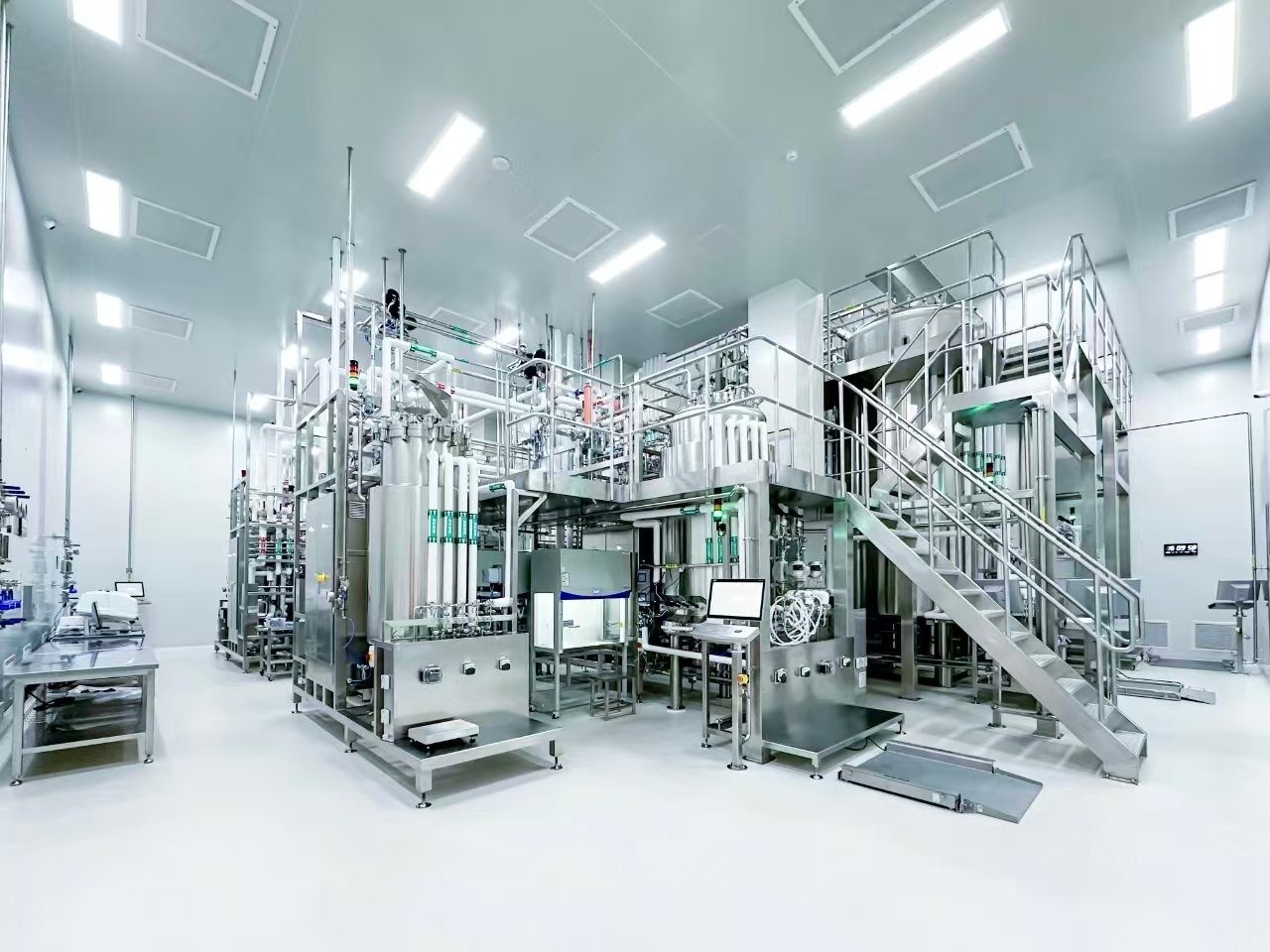
Material transfer across different cleanroom grades constitutes a core pollution control link in the manufacture of sterile pharmaceuticals and biological products, and is also a key focus area during PIC/S GMP on-site inspections. As the leading authoritative body facilitating global mutual recognition of pharmaceutical GMP standards, PIC/S has formulated stringent, standardized control requirements for material transfer processes between different cleanroom grades, transfer equipment specifications, risk control, validation management and documentation systems in the revised Annex 1 and associated guidance documents. These rules aim to fully mitigate quality risks including particulate contamination, microbial ingress, cross-contamination and disruption of cleanroom environmental equilibrium arising from inter-grade material transfer. Based on the latest PIC/S GMP Annex 1 governing sterile manufacturing, this article systematically sorts out core regulatory definitions, graded control requirements, technical specifications for equipment, standard operating controls, validation frameworks and deviation handling protocols for cross-grade material transfer. Combined with practical industry scenarios in pharmaceutical manufacturing, it analyses compliance implementation essentials, providing comprehensive technical references for pharmaceutical enterprises to establish material transfer control systems, carry out compliance rectification and prepare for regulatory audits.
1. Introduction
Cleanrooms for pharmaceutical manufacturing are classified into Grade A, B, C and D according to particulate concentration, microbial load, pressure differential gradient and environmental control criteria. Cleanrooms of higher grades adopt stricter environmental cleanliness standards and pollution prevention measures corresponding to different quality control requirements of production processes. Throughout the full pharmaceutical manufacturing workflow, raw materials, primary and secondary packaging materials, intermediates, semi-finished products, equipment components and consumables inevitably need to be transferred between non-clean areas, Grade D, C, B and A cleanrooms across different grades. Serving as a critical connection linking various production processes, such transfer activities represent high-risk nodes where cleanroom environment deterioration, exogenous contamination ingress and loss of product quality control may occur.
Traditional material transfer controls adopted by many pharmaceutical manufacturers often suffer from simplified procedures, non-compliant equipment, insufficient risk assessment and lack of standardized operating constraints, which may easily lead to contamination ingress from lower-grade areas into higher-grade areas, reverse airflow caused by disrupted pressure differentials, excessive microbial bioburden on material surfaces and cross-contamination. Such issues are frequently cited as non-conformities during PIC/S audits. Centered on core contamination risks in sterile manufacturing, PIC/S (Pharmaceutical Inspection Co-operation Scheme) has updated and refined dedicated control rules governing cross-grade material transfer, establishing core compliance principles of graded protection, unidirectional flow, risk containment, full validation and closed-loop management. These principles unify global compliance standards for inter-grade material transfer in the pharmaceutical industry and enable mutual recognition of pharmaceutical quality systems across jurisdictions.
Compared with domestic GMP codes, PIC/S regulations impose more detailed and stringent controls on cross-grade material transfer, with enhanced focus on contamination barriers for transfers from lower-grade to higher-grade areas, compliant selection of transfer equipment, comprehensive risk assessment, dynamic environmental monitoring and traceable validation management. Specific control requirements are also defined for reverse transfers from higher-grade to lower-grade areas. This article provides an in-depth interpretation of the latest PIC/S regulatory provisions. Combined with practical production scenarios for sterile pharmaceuticals and biological products, it comprehensively dissects baseline compliance requirements, technical specifications, operating standards and compliance management frameworks for cross-grade material transfer, supporting enterprises to build internationally compliant material transfer control systems and mitigate audit findings and product quality risks.
2. Core Definitions and Governing Principles for Cross-Grade Material Transfer under PIC/S
2.1 Core Definitions
As specified in the 2023 revised PIC/S GMP Annex 1, cross-grade material transfer refers to the movement of materials, equipment components, production consumables, testing utensils and other production-related items between clean areas of different grades. Two primary scenarios are defined:
1.Transfer from lower-grade clean areas to higher-grade clean areas (D→C, C→B, B→A, non-clean area → clean area), classified as high-risk transfers and the primary focus of regulatory control;
2.Transfer from higher-grade clean areas to lower-grade clean areas (A→B, B→C, C→D), mainly for removal of waste materials, non-conforming products and finished goods, with risks including outflow of clean air from higher-grade zones and destabilisation of pressure differentials.
Furthermore, the regulation defines cross-grade transfer materials as all non-fixed items entering clean production zones, including raw materials, primary and secondary packaging materials, sterile consumables, tools and sampling devices, excluding permanently installed production equipment and piping within cleanrooms. All materials undergoing cross-grade transfer shall be subject to unified controls. Unprotected, untreated and untraced open transfer operations are prohibited.
2.2 Core Governing Principles under PIC/S
PIC/S establishes five core compliance principles applicable to cross-grade material transfer, covering the full lifecycle of process design, equipment selection, operational execution and validation management, and forming the foundational basis for all transfer specifications.
1.Unidirectional Flow and Gradient Protection Regulations mandate that material transfer within cleanrooms shall follow a progressive sequence from lower grades to higher grades, with unidirectional outflow from higher grades to lower grades. Jump transfer across multiple grades and reverse cross-transfer are prohibited. Cleanroom pressure differentials shall be maintained such that higher-grade areas sustain positive pressure relative to lower-grade areas. The pressure differential between adjacent cleanroom grades shall be no less than 10 Pa, and the differential between clean areas and non-clean areas shall be at least 15 Pa, preventing reverse ingress of particulate-laden and microbial-laden air from lower-grade zones during material transfer. Material transfer corridors shall strictly separate personnel and material flows; shared airlocks for personnel and materials are forbidden to avoid cross-contamination risks.
2.Risk-Based Matching and Graded Control PIC/S emphasises that control standards for material transfer shall be precisely aligned with product risks, cleanroom grade gradients and material properties. Material transfer into Grade A and Grade B core sterile zones shall comply with the most stringent sterilisation, containment and validation standards. For auxiliary Grade C and D cleanrooms, controls focus on cleaning, disinfection and particulate control. Differentiated surface disinfection and sterilisation approaches shall be adopted for sterile versus non-sterile materials, and heat-resistant versus heat-sensitive materials, avoiding either excessive control or insufficient mitigation.
3.Equipment Containment and Physical Barrier All cross-grade material transfers must be completed via dedicated containment transfer equipment to maintain physical segregation. Direct opening of doors or open transfer without barriers is prohibited. PIC/S stipulates that transfers from lower-grade to higher-grade areas shall be implemented via airlocks, pass-through hatches, Rapid Transfer Ports (RTPs), isolators or other dedicated equipment. Physical barriers limit cross-zonal migration of particulates and microorganisms while preserving the integrity and stability of cleanroom containment.
4.Full Lifecycle Control and Traceability All stages of cross-grade material transfer, including pre-treatment, transfer operations, environmental monitoring, equipment disinfection and material release, shall be documented in hard-copy records and electronic traceability data. A material transfer log shall be established to record material name, specification, quantity, transfer time, operator, transfer zones, treatment methods and validation status, enabling end-to-end traceability to meet PIC/S audit traceability requirements.
5.Continuous Validation and Dynamic Control Material transfer workflows, transfer equipment and disinfection/sterilisation processes are not statically compliant. Ongoing qualification and validation are required to sustain control effectiveness. PIC/S requires enterprises to conduct initial validation, periodic revalidation, change validation and post-deviation validation for cross-grade transfer systems. Environmental monitoring data and material surface microbial test results shall be leveraged to dynamically optimise control workflows in response to evolving production conditions.
3. Graded Compliance Requirements for Cross-Grade Material Transfer under PIC/S GMP Annex 1
Based on differing risk levels across cleanroom grades, PIC/S GMP Annex 1 sets differentiated, granular regulatory requirements for cross-grade material transfer, distinguishing transfers from lower-grade to higher-grade areas and transfers from higher-grade to lower-grade areas, and defining minimum compliance thresholds for each grade transition as the foundation for enterprise process design.
3.1 Transfer from Lower-Grade to Higher-Grade Clean Areas (High-Risk Scenario)
Transfers from lower-grade to higher-grade cleanrooms represent the highest priority for PIC/S regulatory oversight, as such activities carry substantial risks of exogenous contamination that directly impact the quality of sterile products. Mandatory requirements are specified for each grade transition.
1.Non-clean Area → Grade D Cleanroom As the first entry point for materials into the cleanroom system, PIC/S requires all materials entering Grade D to undergo outer surface cleaning, dust removal and disinfection, with non-clean outer packaging removed. Transfer shall be performed via dedicated material airlocks or pass-through hatches; direct transfer through open doors from non-clean areas is prohibited. Material airlocks shall maintain positive pressure relative to non-clean areas and undergo regular cleaning, disinfection and environmental monitoring to remove surface dust, foreign matter and most microorganisms, preventing introduction of contaminants from non-clean environments into the cleanroom system.
2.Grade D → Grade C Cleanroom Grade C zones are utilised for pre-processing of sterile pharmaceuticals and purification of non-sterile formulations, with substantially elevated contamination risks. Regulations require materials entering Grade C to undergo secondary detailed cleaning and surface disinfection, with redundant packaging removed and only protective inner packaging retained. Transfers shall utilise dedicated material airlocks implementing self-cleaning and unidirectional access controls. Simultaneous opening of both airlock doors is prohibited, and sufficient self-cleaning time shall be allocated after each transfer cycle to eliminate residual particulates and microorganisms within the airlock. Sampling testing of material surfaces shall be conducted to confirm particulate and microbial bioburden complies with Grade C entry criteria.
3.Grade C → Grade B Cleanroom Grade B serves as the background environment for aseptic operations and a core auxiliary zone for sterile manufacturing, subject to extremely stringent PIC/S control requirements for transfers from Grade C. Unless materials or utensils are heat-sensitive and cannot withstand sterilisation, all items entering Grade B shall undergo complete sterilisation (moist heat sterilisation, dry heat sterilisation, irradiation sterilisation, etc.). For materials incompatible with thermal sterilisation, equivalent disinfection approaches such as Vaporised Hydrogen Peroxide (VHP) decontamination or high-intensity UV disinfection shall be adopted, supported by validation of disinfection efficacy. Materials must be transferred via sealed pass-through hatches or RTPs with no exposed surfaces or direct contact throughout transfer. Transfer equipment shall be equipped with independent self-cleaning and disinfection functions, and thorough disinfection and sterilisation shall be performed before and after each transfer. Bulk consolidated transfers are strictly restricted; small-batch, intermittent transfer modes shall be implemented to avoid frequent equipment door openings that induce fluctuations in Grade B environmental conditions.
4.Grade B → Grade A Cleanroom Grade A zones are dynamic aseptic operation areas representing the highest cleanroom classification for pharmaceutical manufacturing with zero tolerance for contamination. PIC/S explicitly stipulates that all materials, components and consumables entering Grade A laminar flow zones or aseptic isolators must undergo full terminal sterilisation supported by fully validated sterilisation cycles. Material transfer shall be completed via sealed RTP ports of aseptic isolators with full containment; open transfer of any materials into Grade A is prohibited. Only pre-approved validated materials are permitted entry into Grade A, managed via an approved material list; items outside the list are barred from cross-grade transfer to eliminate exogenous contamination risks. For material transfers inside isolators, only small VHP-compatible items may undergo decontamination within the isolator; all other materials must be sterilised prior to sealed transfer.
3.2 Transfer from Higher-Grade to Lower-Grade Clean Areas (Lower-Risk Scenario)
Transfers from higher-grade to lower-grade zones mainly cover finished goods removal, waste disposal and transfer of non-conforming materials. The primary risks include outflow of clean air from higher-grade zones, disruption of pressure differentials and destabilisation of environmental conditions. Targeted control requirements are specified under PIC/S rather than allowing unrestricted free transfer.
Regulations clarify that repeated sterilisation or disinfection is not required for transfers from higher-grade to lower-grade areas. However, the integrity of transfer channel containment must be maintained, simultaneous opening of both doors is forbidden, transfer duration shall be minimised to reduce door opening frequency and exposure time. Finished goods transferred out of Grade A and Grade B zones shall remain in intact sealed packaging and shall not be exposed to avoid adsorption of contaminants from lower-grade areas. Production waste and discarded consumables shall be contained in dedicated sealed vessels and rapidly transferred out. Transfer equipment and channels shall be cleaned and disinfected immediately after removal to prevent reverse migration of residual contaminants.
PIC/S further emphasises that positive pressure differential gradients must be sustained throughout transfers from higher-grade to lower-grade areas. Pressure differential inversion induced by transfer operations shall not occur. Real-time pressure differential monitoring devices shall be installed at transfer corridors to continuously track differential data. Transfer operations shall be suspended immediately upon detection of abnormal pressure differentials, triggering environmental recovery activities and deviation management workflows. In specific scenarios, dedicated conveyor belts may be used for cross-grade material transfer from higher-grade to lower-grade zones provided effective anti-backflow measures are implemented. Although additional intermediate buffer corridors are not mandatory, supporting risk assessment and validation confirmation shall be completed.
4. PIC/S Compliance Specifications for Equipment and Facilities for Cross-Grade Material Transfer
Compliance of transfer equipment and facilities forms the hardware foundation of cross-grade material transfer controls. PIC/S GMP Annex 1 and associated interpretative documents set mandatory specifications for the design, selection, installation, operation and maintenance of core equipment including material airlocks, pass-through hatches, RTPs, aseptic isolators and transfer conveyor belts, forming critical hardware benchmarks for enterprise compliance remediation.
4.1 Compliance Specifications for Material Airlocks
Airlocks represent core buffer facilities for cross-grade material transfer and are widely deployed across grade transitions. PIC/S requires material airlocks to fully separate personnel and material flows; shared airlocks for personnel and materials are prohibited to prevent cross-contamination. Airlocks shall be assigned a cleanroom grade appropriate to the adjacent zones, with pressure differentials forming a progressive gradient between higher and lower grades to ensure airflow direction from higher-grade to lower-grade areas.
From an equipment design perspective, airlocks must be fitted with interlock devices to physically prevent simultaneous opening of both doors, blocking direct air exchange and contamination penetration at the hardware level. Independent air supply and self-cleaning systems shall be installed within airlocks to meet air change rate requirements corresponding to the designated grade: minimum 10 air changes per hour for Grade D airlocks, 20 air changes per hour for Grade C, and 30 air changes per hour for Grade B. Airlocks shall also be equipped with independent disinfection systems, pressure differential monitoring instruments and status displays to continuously monitor environmental conditions.
In operational practice, PIC/S restricts airlock usage exclusively to material transit buffering. Stockpiling of materials, storage of tools and temporary staging within airlocks are prohibited to maintain unobstructed, clean internal conditions. Self-cleaning cycles shall be activated after each material transfer with sufficient self-cleaning duration to eliminate particulate fluctuations induced by operations. Enterprises shall establish standard operating procedures governing airlock cleaning, disinfection, routine inspection and maintenance, and periodically validate self-cleaning performance and pressure differential stability with complete validation and maintenance records retained.
4.2 Compliance Specifications for Cleanroom Pass-Through Hatches
Pass-through hatches are commonly used for transfer of small and medium-sized materials across cleanroom grades, applicable to Grade D/C and C/B transitions. PIC/S compliance requirements focus on three core attributes: containment integrity, disinfection capability and contamination resistance. For equipment selection, pass-through hatches serving Grade C and Grade B zones shall adopt double-layer sealed construction with mechanical interlocks, equipped with UV disinfection, spray disinfection or VHP decontamination functions. Internal surfaces shall be constructed of smooth, corrosion-resistant stainless steel free of dead spaces to prevent dust accumulation and microbial harbouring.
For pass-through hatches dedicated to aseptic zones, regulations require verifiable disinfection and sterilisation capabilities supported by microbial challenge testing to confirm effective inactivation of microorganisms on material surfaces and internal chamber surfaces. Simple pass-through hatches lacking disinfection functions and interlock mechanisms are prohibited for cross-grade transfer of sterile materials. Operationally, pass-through hatches shall follow the principle of single-use per transfer with disinfection completed after each operation. Subsequent transfers may only commence once disinfection and self-cleaning cycles are successfully completed; successive transfers without intermediate disinfection are forbidden.
4.3 Compliance Specifications for RTPs and Aseptic Isolators
Rapid Transfer Ports (RTPs) and aseptic isolators represent the only compliant equipment for high-grade aseptic material transfer from Grade B to Grade A, and are highlighted as enhanced control items in the revised PIC/S Annex 1. PIC/S explicitly requires that material ingress and egress to Grade A aseptic zones and aseptic isolators must be completed via validated sealed RTPs to maintain full physical segregation throughout transfer and prevent air exchange and contamination ingress.
RTP equipment shall deliver precise mating sealing, mechanical locking and aseptic containment. No gaps or leakage shall occur upon connection, and internal aseptic conditions can be maintained throughout disassembly and transfer operations. Equipment shall be integrated with VHP decontamination systems capable of full sterilisation of chamber interiors and mating surfaces, with verifiable and traceable sterilisation efficacy. For material transfers into isolators, only small VHP-compatible materials may undergo decontamination inside the isolator; all other materials shall be pre-sterilised and transferred via sealed RTPs.
Regulations further require RTP and isolator transfer systems to undergo periodic leak testing, sterilisation efficacy validation and containment integrity confirmation. Equipment shall be immediately removed from service for maintenance upon detection of seal degradation, equipment failure or ineffective sterilisation. Full revalidation shall be completed post-repair before return to production.
4.4 Compliance Specifications for Continuous Transfer Conveyor Belts
PIC/S establishes dedicated control specifications for conveyor belt systems enabling continuous cross-grade transfer of finished goods and semi-finished materials. Conveyor belts facilitating transfer from higher-grade to lower-grade zones may be deployed subject to comprehensive anti-backflow and anti-contamination controls. Transfer openings and channels shall be equipped with air barriers to sustain positive pressure in higher-grade zones and prevent reverse ingress of air and particulates from lower-grade areas. Conveyor surfaces shall be smooth, easy to clean and corrosion-resistant with no dust-trapping dead spaces to support routine cleaning and disinfection.
Regulations explicitly prohibit installation of open conveyor belts for material transfer from lower-grade to higher-grade zones. Such continuous transfer configurations permanently disrupt cleanroom pressure gradients and introduce persistent contamination risks, constituting an explicit non-compliance scenario. All continuous transfer equipment shall be incorporated into routine monitoring and periodic validation programmes, prioritising verification of airflow stability, contamination control efficacy and cleaning and disinfection effectiveness.
5. PIC/S Compliance Specifications for Operational Management of Cross-Grade Material Transfer
Compliant hardware equipment provides the foundation; standardised operational management ensures sustained compliance of cross-grade material transfer. PIC/S regulations specify end-to-end operating requirements covering material pre-treatment, workflow protocols, personnel control, environmental management and documentation and traceability to mitigate compliance and quality risks induced by human operations.
5.1 Compliance Specifications for Material Pre-Treatment
PIC/S mandates that all materials undergoing cross-grade transfer shall complete graded pre-treatment aligned with transfer grade and material-specific aseptic risks. Transfer of untreated materials across grades is prohibited. Materials entering cleanrooms from non-clean areas shall have outer packaging removed and undergo dust removal and surface disinfection. Materials transferred from Grade D to Grade C shall be stripped of redundant packaging and subject to detailed cleaning and surface disinfection. Materials transferred from Grade C to Grade B and above aseptic zones shall undergo sterilisation or equivalent disinfection supported by validated pre-treatment processes.
For heat-sensitive and chemically incompatible specialty materials, enterprises shall conduct dedicated risk assessments and develop customised pre-treatment protocols utilising alternative technologies such as irradiation sterilisation or low-temperature VHP decontamination. Complete risk assessment reports and process validation data shall be retained. All pre-treated materials shall complete cross-grade transfer within defined time limits; unused materials exceeding holding limits shall be reprocessed and re-tested to avoid secondary contamination.
5.2 Standardised Operating Workflow Specifications
Enterprises shall establish unified Standard Operating Procedures (SOPs) governing cross-grade material transfer, clearly defining operating steps, equipment utilisation methods, disinfection parameters, self-cleaning durations and control red lines for each transfer scenario. Core operational requirements include: enforced interlock preventing simultaneous opening of transfer equipment doors; mandatory self-cleaning and disinfection cycles after each transfer; full containment of sterile materials with no exposed handling; prioritisation of material transfers for higher-grade zones to minimise environmental perturbation; prohibition of unapproved materials from cross-grade transfer.
PIC/S further prohibits jump transfer across multiple grades; materials shall be progressively transferred grade by grade. For example, materials originating from non-clean areas cannot directly enter Grade C or Grade B zones but must follow the sequence non-clean → Grade D → Grade C → Grade B, with corresponding cleaning, disinfection and buffer procedures implemented at each grade to establish layered contamination barriers. In emergency scenarios requiring multi-grade jump transfer, dedicated risk assessment shall be performed, approval obtained from the Head of Quality, and operations supervised by two personnel with full documentation. Post-event deviation review shall be completed subsequently.
5.3 Personnel Control Specifications
Operators represent a key variable in cross-grade transfer risks. PIC/S establishes strict requirements for operator qualification, operational behaviour and protective standards. All personnel conducting cross-grade material transfer shall receive dedicated GMP training, hands-on role-specific training and PIC/S regulatory training, and only commence work following successful assessment with periodic refresher training and evaluation implemented.
Operators shall wear appropriate cleanroom garments upon entry into corresponding clean zones. Personnel conducting operations in aseptic zones shall don sterile coveralls, sterile gloves, masks and eye protection to prevent introduction of contaminants by personnel. Irregular door opening, rapid movement and frequent operations that induce airflow disturbance and environmental fluctuations are prohibited during transfer activities. Operators are forbidden to move between different cleanroom grades; personnel and material flows shall be strictly segregated to avoid cross-contamination induced by personnel movement.
5.4 Environmental and Pressure Differential Control Specifications
Sustained maintenance of cleanroom pressure differential gradients represents the baseline requirement for cross-grade material transfer under PIC/S. Pressure differentials shall be monitored in real time throughout transfer operations. Differential values between adjacent cleanroom grades and between clean and non-clean areas must continuously meet defined standards. Transfer operations shall cease immediately upon detection of pressure differentials below threshold limits, differential inversion or abnormal airflow. Transfer channels shall be secured, environmental recovery procedures initiated, and operations may only resume once environmental parameters are confirmed acceptable following verification.
Stringent control of cleanroom temperature, relative humidity, particulate and dynamic microbial criteria shall also be maintained. Monitoring frequency shall be increased during peak transfer activity to ensure dynamic environmental parameters continuously comply with standards for the corresponding cleanroom grade. Cleaning and disinfection of transfer channels, equipment and surrounding zones shall be performed before and after daily production and after completion of each batch transfer to sustain stable environmental conditions.
5.5 Documentation and Traceability Management Specifications
Comprehensive documentation and traceable records constitute core audit focus areas under PIC/S. Enterprises shall establish a complete documentation system covering standard operating procedures, risk assessment reports, equipment validation documents, cleaning and disinfection protocols and deviation management procedures. All cross-grade transfer operations shall be recorded in real time with complete, authentic and traceable information including material details, transfer time, operator, equipment ID, disinfection parameters, environmental data and release status.
Records shall be retained for the audit traceability period required by PIC/S. A material access list system shall also be implemented to define permitted materials for each cleanroom grade, approved treatment methods and transfer pathways. Materials outside the approved list are prohibited from cross-grade transfer, enabling standardised list-based control.
6. PIC/S Specifications for Risk Assessment and Validation Frameworks for Cross-Grade Material Transfer
Risk assessment and continuous validation constitute core management philosophies of PIC/S GMP and provide foundational support for cross-grade transfer compliance. Regulations require enterprises to build full-lifecycle risk control systems based on risk-based thinking, achieving risk containment via preliminary risk assessment, end-to-end validation and ongoing monitoring.
6.1 Specifications for Full-Lifecycle Risk Assessment
PIC/S explicitly requires enterprises to conduct systematic risk assessment covering all cross-grade transfer scenarios. Failure Mode and Effects Analysis (FMEA) is recommended to identify potential risks spanning transfer workflows, equipment, personnel, environment and materials. Risk occurrence probability, severity of impact and detectability shall be analysed, risk levels classified and targeted mitigation measures formulated.
Risk assessment shall cover all scenarios, with priority focus on high-risk activities including transfers from lower-grade to higher-grade areas, sterile material transfer, transfer of specialty materials incompatible with sterilisation and continuous transfer processes. Risk assessment is not a one-time activity. Change-related risk assessments shall be initiated promptly upon revisions to production processes, material properties, equipment parameters, transfer workflows or cleanroom layout. Annual periodic reviews shall be conducted to dynamically update risk control measures. All risk assessment reports shall be archived for audit as core compliance supporting documents.
6.2 Specifications for Validation of Transfer Systems
In accordance with Clause 4.12 of PIC/S Annex 1, all material transfer workflows and equipment feeding Grade A and Grade B zones shall undergo dedicated validation; unvalidated transfer systems are prohibited from operational use. The validation framework consists of equipment qualification, process validation and disinfection/sterilisation validation.
Equipment qualification includes Installation Qualification (IQ), Operational Qualification (OQ) and Performance Qualification (PQ), verifying transfer equipment containment integrity, interlock functionality, self-cleaning capacity, pressure differential stability and disinfection efficacy to confirm equipment design, installation and operation meet regulatory standards. Process validation covers material transfer workflows, verifying the impact of transfer operations on cleanroom environments under varying operating conditions, contamination control effectiveness and workflow compliance. Disinfection and sterilisation validation represents a core validation item, utilising microbial challenge testing to confirm cleaning, disinfection and sterilisation processes effectively remove and inactivate microorganisms on material and equipment surfaces to meet aseptic manufacturing requirements.
Enterprises shall establish periodic revalidation schedules for transfer systems. Annual revalidation shall be performed for transfer equipment and processes. Special revalidation shall be triggered following major equipment maintenance, workflow changes or significant deviations to ensure sustained compliance of transfer systems.
6.3 Specifications for Ongoing Monitoring and Deviation Management
Enterprises shall implement routine monitoring systems for cross-grade material transfer, periodically testing particulates, microbial bioburden, pressure differentials, temperature and humidity within transfer environments. Surface particulate and microbial testing of materials post-transfer shall be sampled regularly, with trend analysis reports generated from monitoring data. For out-of-specification results and anomalies identified during monitoring, deviation reporting, investigation, resolution and review workflows shall be initiated promptly in accordance with PIC/S deviation management requirements. Root causes shall be determined, corrective and preventive actions defined to prevent recurrence of similar incidents.
7. Common Non-Compliance Findings in the Industry and Compliance Remediation Strategies
Summarised from PIC/S on-site audit non-conformity data, pharmaceutical manufacturers frequently exhibit multiple recurring non-compliance issues related to cross-grade material transfer. Targeted compliance remediation strategies aligned with regulatory requirements are outlined below to support accelerated implementation of compliant systems.
7.1 Summary of Recurring Non-Compliance Findings
1.Deficient procedural control: multi-grade jump transfer, simultaneous opening of interlocked doors, direct transfer without pre-treatment, successive transfers without intermediate disinfection and other prohibited operations;
2.Non-compliant equipment: pass-through hatches lacking interlock or disinfection functions, insufficient airlock air change rates, non-compliant pressure differentials, deployment of unvalidated RTP equipment;
3.Inadequate risk control: absence of dedicated risk assessment, incomplete validation frameworks, missing validation items and overdue revalidation;
4.Insufficient traceability documentation: incomplete or untimely transfer records, missing documentation for disinfection, self-cleaning and environmental monitoring;
5.Mixed personnel and material flows: shared airlocks for personnel and materials and shared corridors leading to cross-contamination risks.
7.2 Targeted Compliance Remediation Strategies
For procedural non-compliance: comprehensively map material transfer routes, eliminate all multi-grade jump transfer workflows, update SOPs, install interlock alarm devices to prevent simultaneous door opening and other prohibited operations via hardware constraints, and standardise full pre-treatment, disinfection and self-cleaning workflows.
For non-compliant equipment: conduct comprehensive inspection and remediation of all transfer equipment, replace obsolete pass-through hatches without interlock and disinfection functions, calibrate airlock pressure differential and air supply systems, and complete full validation for RTP and isolator transfer systems to ensure all hardware meets PIC/S specifications.
For inadequate risk and validation management: conduct full-scope FMEA risk assessment covering all transfer scenarios, complete missing validation items, establish annual revalidation and change validation mechanisms, and enhance risk and validation documentation.
For insufficient traceability: optimise record systems to elaborate documentation for transfer operations, disinfection, environmental monitoring and equipment maintenance to achieve end-to-end traceability. For mixed personnel and material flows: strictly demarcate personnel and material corridors, renovate dedicated material airlocks and eliminate shared access for personnel and materials.
8. Conclusion and Outlook
Cross-grade material transfer constitutes a core pollution control link in cleanroom pharmaceutical manufacturing and represents a key and challenging area for PIC/S GMP compliance oversight. Centered on risk prevention, PIC/S regulations establish a systematic, granular compliance framework for cross-grade material transfer built upon physical containment, graded control, full validation and closed-loop traceability. Comprehensive mandatory requirements are defined for hardware equipment, operating workflows, personnel management, risk control and documentary traceability.
For pharmaceutical manufacturers, sustainable compliance requires abandoning the traditional mindset prioritising hardware investment over management controls. Enterprises shall strictly adhere to the core PIC/S principles of gradient protection, unidirectional flow and risk containment, and build an integrated control system combining compliant hardware equipment, standardised operating workflows, systematic risk and validation management and end-to-end traceability controls. Contamination risks originating from cross-grade material transfer shall be mitigated at the source to guarantee consistent and stable pharmaceutical product quality.
This text involves professional pharmaceutical GMP terminology consistent with international PIC/S, FDA and EU GMP customary expressions; long sentences follow technical whitepaper writing conventions for regulatory submissions and technical documentation. Do you need me to further trim this into a concise version for formal reports or presentation slides?
