





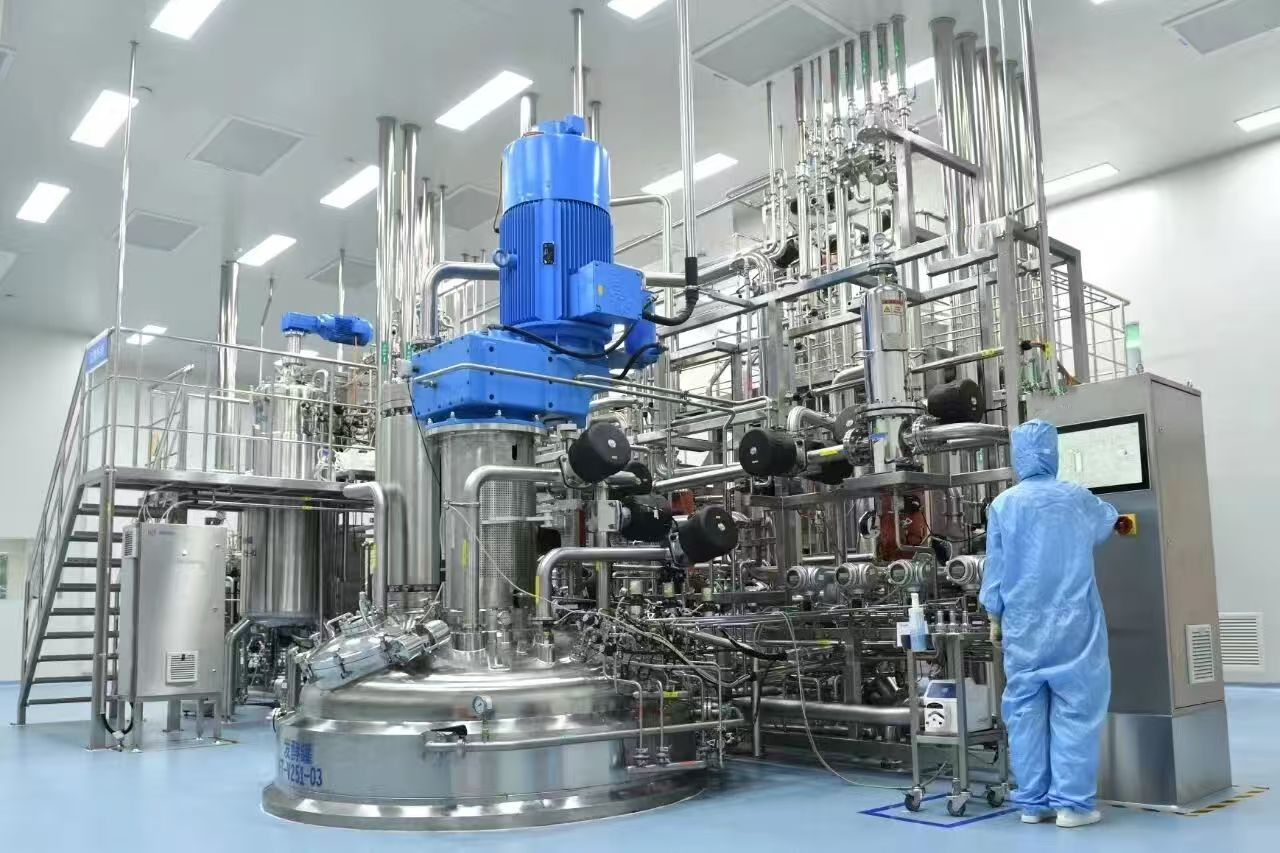
Microbial fermentation is essentially the construction of a man-made microecosystem optimized for the proliferation and metabolic activity of target production strains. Whether manufacturing antibiotics, organic acids, amino acids, industrial enzymes or recombinant proteins, all critical parameters within fermenters—including temperature, pH, dissolved oxygen and nutrient supply—are precisely calibrated to match the physiological characteristics of the target microbes. Nevertheless, this nutrient-rich, thermostable, well-buffered cultivation environment also serves as an ideal growth habitat for adventitious microorganisms.
Once foreign microbes infiltrate the closed fermentation system, they proliferate rapidly, competing with production strains for carbon sources, nitrogen substrates and dissolved oxygen. Contaminants disrupt balanced culture conditions, generate unwanted metabolic byproducts, and may even degrade target biomolecules directly. The final consequences include drastically reduced product titers, inconsistent product quality and complete batch failure. Accordingly, one of the most stringent core requirements for biomanufacturing is establishing a robust aseptic barrier: the entire bioreactor system must be fully sterile prior to inoculation, and strict pure-culture conditions must be sustained throughout the entire cultivation cycle.
In industrial practice, pinpointing contamination sources is rarely straightforward. Upon detecting abnormal fermentation performance, most facilities immediately suspect incomplete sterilization, equipment malfunctions or human operational errors. Root-cause investigations, however, frequently trace contamination to entirely overlooked links across the whole production workflow. Isolating single-point failures cannot resolve recurring contamination; systematic risk analysis covering five dimensions—Man, Machine, Material, Method, Environment—is mandatory to build a comprehensive contamination prevention framework.
1. Man: Human Operators as the Most Variable Aseptic Risk Factor
Modern fermentation lines feature extensive automation and fully enclosed process loops, yet human intervention remains unavoidable across core workflows: seed inoculation, fed-batch supplementation, aseptic sampling, equipment maintenance, pipeline reconnection and filter replacement. Human behavior constitutes the most dynamic, unpredictable variable within the aseptic containment system.
Numerous contamination episodes originate upstream of the fermenter rather than inside the vessel itself. The primary frontline defense against contamination lies in strict seed lot quality control. If seed cultures harbor cryptic microbial contaminants, these adventitious organisms will be introduced directly into the fermenter during inoculation—even after rigorous SIP (steam-in-place) sterilization of the bioreactor hardware. Seed bank management must prioritize not only viable cell density and growth kinetics but also microbial purity verification via microscopy, plate counting and other bioburden assays. Abnormal strain performance and extended fermentation cycles are often misattributed to suboptimal process parameters, while the true root cause is latent contamination originating at the seed cultivation stage.
Improper manual operations represent a secondary major contamination vector. Traditional open sampling, manual feed addition and needle-based aseptic connections inherently breach sterile boundaries. For instance, inadequate sanitization of sampling ports, collection vessels or surrounding cleanroom air allows airborne microbes to contaminate samples, with potential backflow into the fermenter. A critical diagnostic pitfall arises when analysts detect contaminants in harvested samples and prematurely conclude the fermenter broth is compromised, without distinguishing between true in-process contamination and post-sampling cross-contamination. Misclassification skews root-cause analysis and delays corrective actions.
Mitigating human-induced contamination relies far less on heightened operator vigilance and more on process reengineering to minimize manual exposure. Closed-loop sampling systems, sterile quick-disconnect fittings and automated fed-batch delivery drastically reduce open-handling operations, shifting aseptic control reliance from human compliance to validated hardware and standardized protocols.
2. Machine: Equipment Design Defines the Ceiling of Contamination Risk
A pervasive misconception holds that any fermenter capable of reaching 121 °C during SIP guarantees full sterilization efficacy. In reality, successful sterilization depends not merely on displayed temperature readings, but uniform steam penetration and effective condensate drainage across every internal wetted surface. The most prevalent overlooked hazard is dead legs / dead spaces: structural recesses where saturated steam cannot fully circulate, or condensed water accumulates and creates cold spots that fail to meet required thermal lethality thresholds. These microscale harborage zones include valve cavities, pipeline blind tees, sensor probe sleeves, gasket gaps and welded crevices. Such features allow microbes to persist and multiply between production runs, meaning a fermenter’s susceptibility to contamination is largely predetermined at the design phase.
GMP-compliant hygienic bioreactor design eliminates unnecessary liquid pooling, minimizes complex geometries that trap bioburden, and ensures unobstructed steam coverage for all sterilizable surfaces. Contamination risks also extend to peripheral auxiliary systems integral to the fermentation train: sterile air filtration skids, feed media pipelines, acid/base dosing manifolds and vent exhaust assemblies. Moisture ingress, mechanical damage or incomplete sterilization of air filter cartridges permits airborne microbes to bypass the sterile barrier and enter the cultivation broth. Filter integrity degradation is frequently neglected during long-term continuous operation. Even seemingly functional sterile air filters suffer compromised retention efficiency from physical abrasion or prolonged high-humidity exposure, triggering full-batch contamination from low-probability filter breach events. Routine filter integrity testing and scheduled cartridge change-outs are mandatory safeguards.
3. Material: Raw Media and Feedstock as Hidden Contamination Reservoirs
Culture media form the nutritional foundation of microbial growth, yet raw feedstocks carry latent contamination risks often overlooked during post-failure audits. Complex natural substrates—including peptones, yeast extract and plant hydrolysates—are prone to environmental microbial colonization during manufacturing and storage. Many contaminant species within these materials form thermotolerant endospores, resilient to elevated temperatures, desiccation and harsh chemical conditions. Substandard media sterilization cycles fail to inactivate these spores, which germinate rapidly once exposed to nutrient-rich fermentation broth. Recurring contamination linked to a single raw material batch necessitates lot switching and supplier documentation review to validate incoming bioburden specifications.
Media physical morphology further impacts sterilization performance. Large solid particulate aggregates shield embedded microbes from heat transfer; the bulk liquid may reach target sterilization temperature while particle interiors remain thermally insufficient. Formulations with high solid loading cannot adopt standard liquid-media SIP cycles; thermal validation must be re-performed to establish customized hold times and temperature setpoints.
4. Method: Sterilization Protocols and Operational SOPs Underpin Aseptic Integrity
Most contamination incidents stem not from equipment incapable of sterilization, but incomplete process coverage embedded within sterilization methodologies. For SIP cycles, heating the fermenter vessel to target temperature is merely the first step; uniform lethal thermal exposure across the entire connected process train is the critical objective. Trapped air pockets during heat-up create localized cold spots that never attain validated sterilization temperatures, mandating thorough system venting throughout SIP hold phases. Vent exhaust condensers represent another frequently overlooked risk point: improper condenser temperature control during sterilization can cause condensate backflow, transferring non-sterile liquid from downstream exhaust zones back into the fermenter.
The cooling phase post-sterilization carries distinct contamination hazards as well. Uncontrolled vacuum formation inside the vessel draws unfiltered ambient air inward through micro-leakages in seals and fittings. Process workflows must incorporate regulated pressure maintenance to avoid negative differential pressure during cool-down. Acid and alkali dosing manifolds, despite inherent biostatic properties of concentrated pH-adjustment solutions, remain potential contamination channels. Pipeline air pockets, connection junctions and valve internals along these dosing lines require full SIP integration; excluding these segments from sterilization creates persistent ingress pathways for adventitious microbes.
Aseptic control cannot be reduced to isolated sterilization events—it constitutes a complete validated methodology spanning media preparation, equipment SIP, sterile transfer, sampling and fed-batch delivery. Every discrete unit operation must undergo formal process validation to confirm consistent sterility assurance.
5. Environment: Facility Surroundings Determine Ambient Bioburden Pressure
While fermentation production zones do not demand the stringent cleanroom classifications of sterile pharmaceutical filling suites, ambient environmental conditions directly modulate contamination incidence. Key influencing factors include background airborne microbial load, facility temperature and relative humidity, surface sanitation standards, personnel traffic patterns and equipment layout. Residual media spills accumulating around feed addition stations create persistent microbial growth niches; microbes proliferating in these high-bioburden zones readily infiltrate sterile systems during pipeline connections or equipment maintenance.
Persistent dampness amplifies contamination risk exponentially. Standing water and organic residues on equipment exteriors, floor drains and pipeline flanges serve as permanent environmental microbial reservoirs. Environmental management priorities center not on achieving absolute sterility across the plant floor, but on sustained reduction of baseline bioburden and elimination of persistent microbial growth habitats.
Conclusion: Fermentation Contamination Control as a Systemic Engineering Discipline
Microbial contamination in fermenters is virtually never caused by a single isolated failure. A single spoiled batch typically results from cumulative minor defects across multiple workflows: variable raw material bioburden, degraded sterile air filter integrity, non-compliant sampling procedures, unaddressed equipment dead spaces, or misconfigured SIP cycle parameters. Each isolated defect may not independently trigger contamination, yet their combined impact during complex industrial biomanufacturing inevitably leads to total batch loss.
A robust contamination mitigation framework cannot rely solely on premium equipment or experienced individual operators. It requires multi-layered defensive controls integrated across Man, Machine, Material, Method and Environment. Only standardized operator practices, hygienically optimized equipment design, consistent high-quality raw materials, fully validated sterilization protocols and disciplined environmental sanitation enable consistent, scalable pure-culture fermentation—translating lab-scale microbial success into stable, reproducible industrial bioproduction.
