Manufacturing processes for biotherapeutics and vaccines require efficient cleaning, sanitization, and sterilization procedures to guarantee product safety. Such procedures are an in……
Immunoglobulin G (IgG) is the most abundant antibody class in human serum, accounting for approximately 70%–85% of total serum immunoglobulins, and plays a central role in adaptive ……
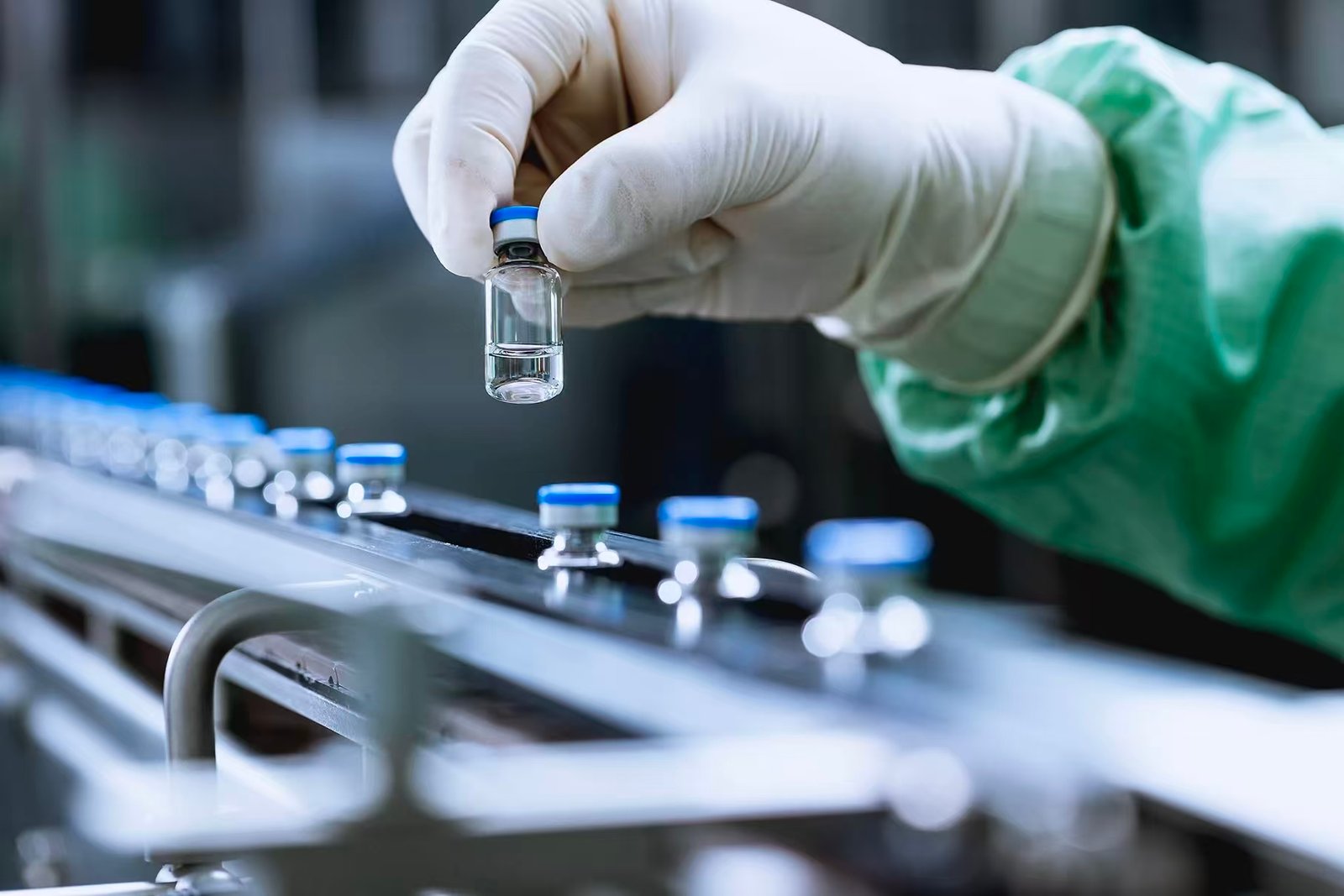
Against the backdrop of booming biopharmaceutical development, prefilled syringes have emerged as the preferred delivery system for innovative formulations including monoclonal anti……
If mRNA drugs are likened to confidential life instructions sent to the inside of cells, lipid nanoparticles (LNPs) act as an elite escort team safeguarding these messages through n……
In the field of lipid-based drug delivery, LNPs (Lipid Nanoparticles) and liposomes are two widely discussed yet frequently confused concepts. Many people mistake them for the same ……
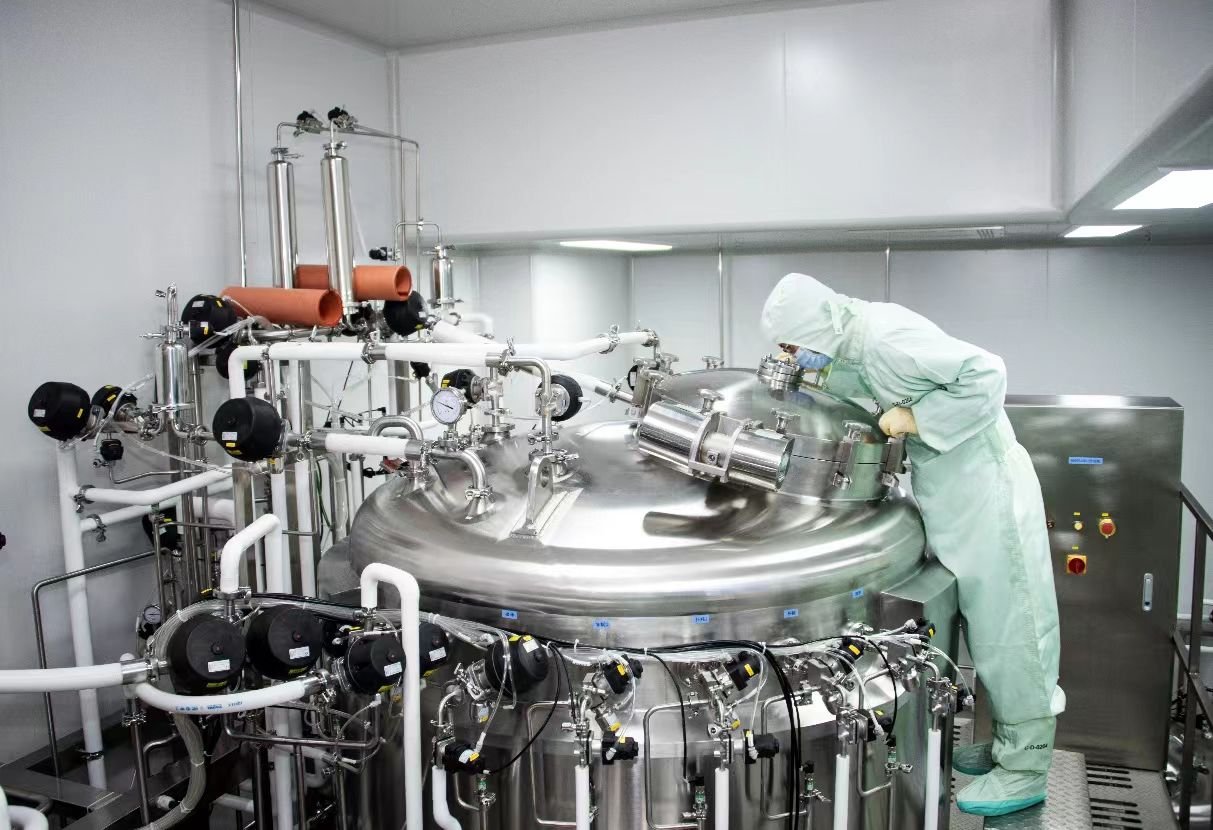
In the delivery journey of mRNA-LNP therapeutics, particle size stands as a critical parameter that determines success or failure. Unlike mRNA, which carries genetic instructions, o……
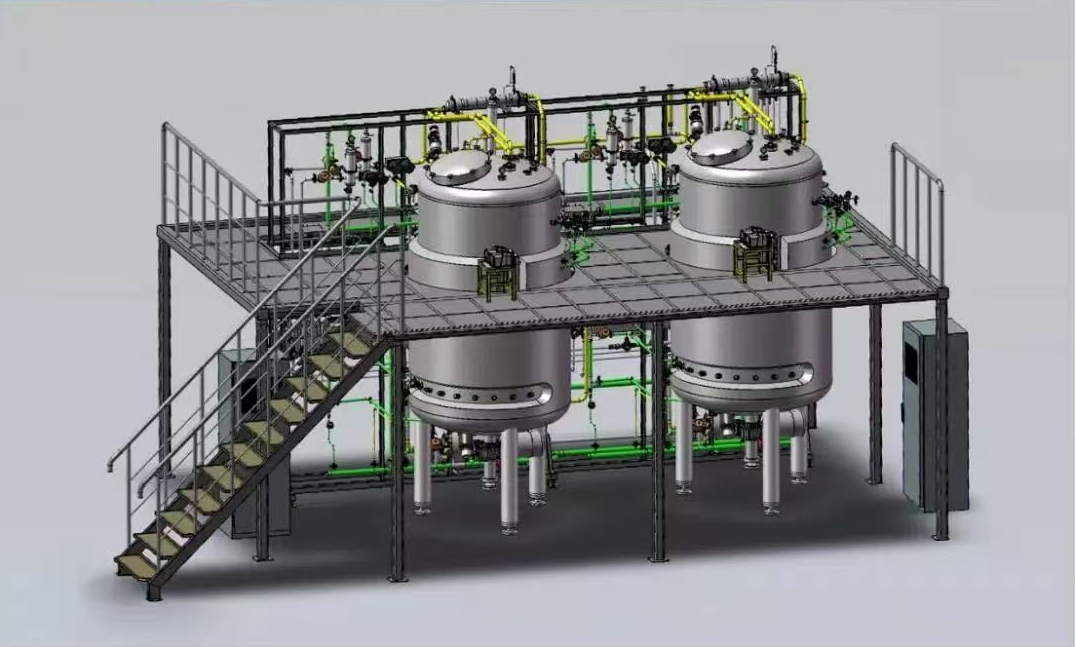
mRNA vaccines feature rapid production and robust process versatility, conferring unparalleled advantages in responding to emergent public health epidemics. The successful deploymen……
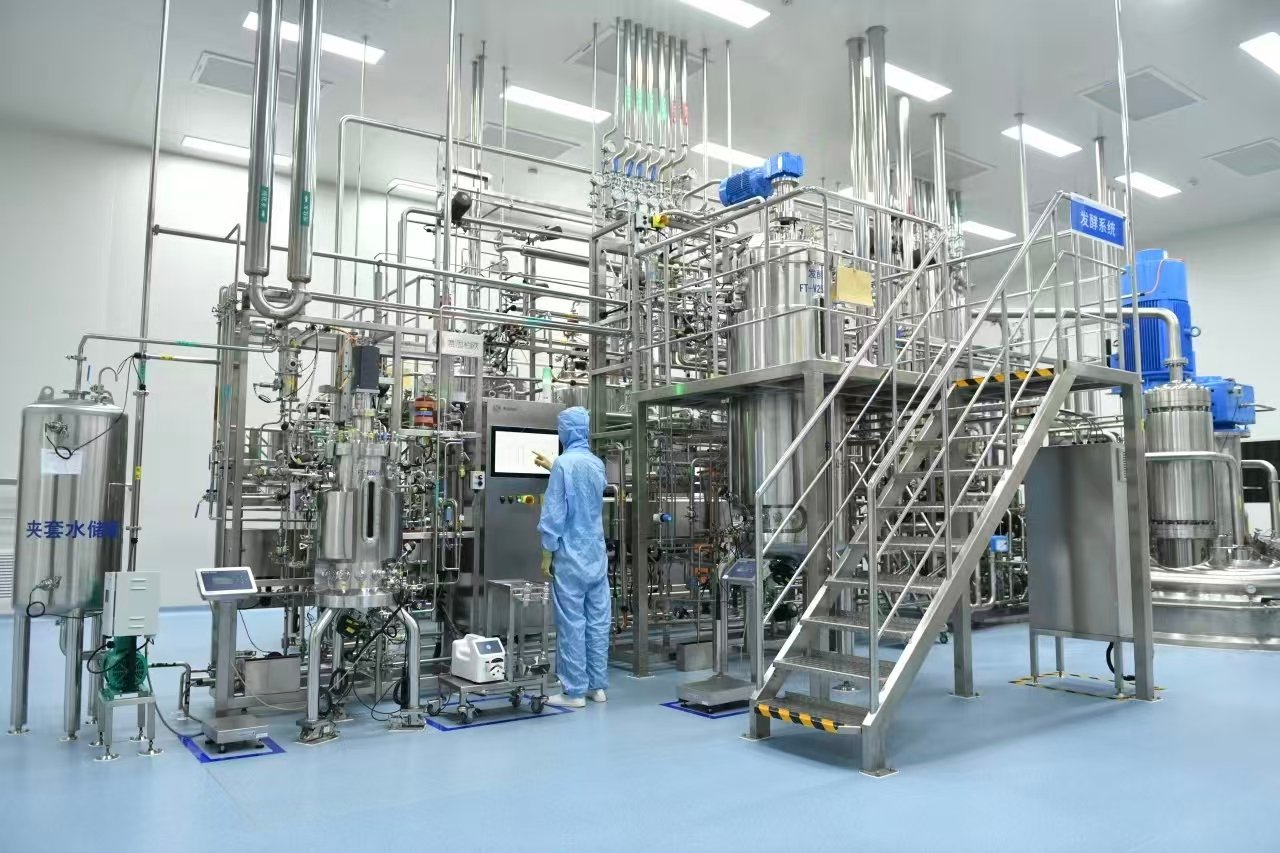
Production efficiency, product quality and cost control are the core competitive factors in the biopharmaceutical industry. Cell perfusion culture, an advanced bioprocess solution, ……
With mass of the antibody and its concentration known at any stage in the process, sizing of a chromatography column can be performed based on both chromatographic and non-chromatogr……
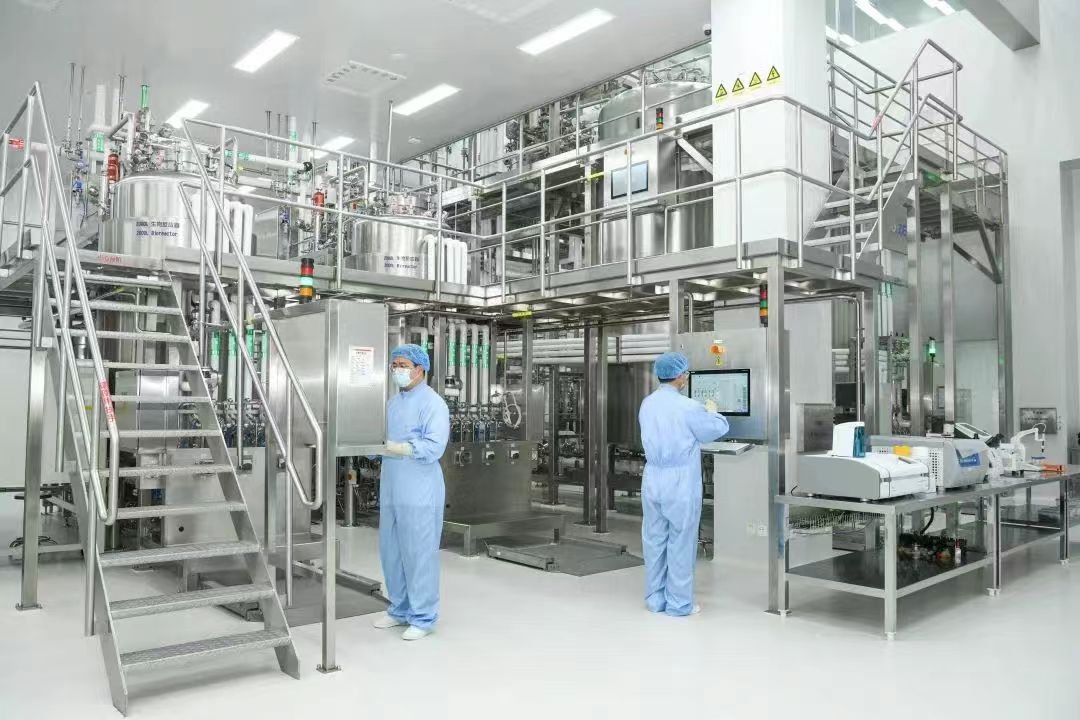
With the scale of operation for the upstream chosen to fulfil the mass demand per batch/campaign, the scaling up of a downstream process becomes the next task. Taking as an example a……
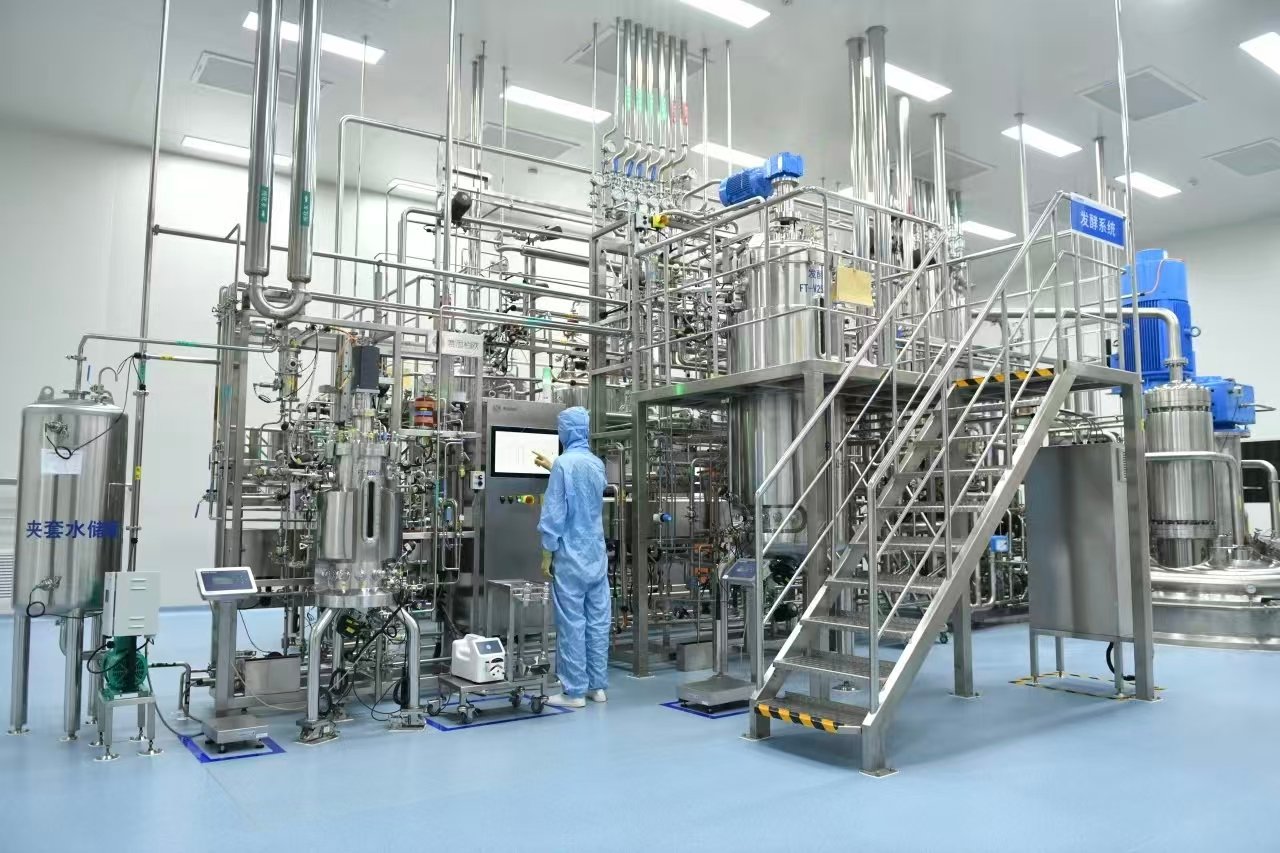
A cell culture process is typically developed in bench scale bioreactors and then scaled up for commercial production. However, although the recent advances in cell technologies have……
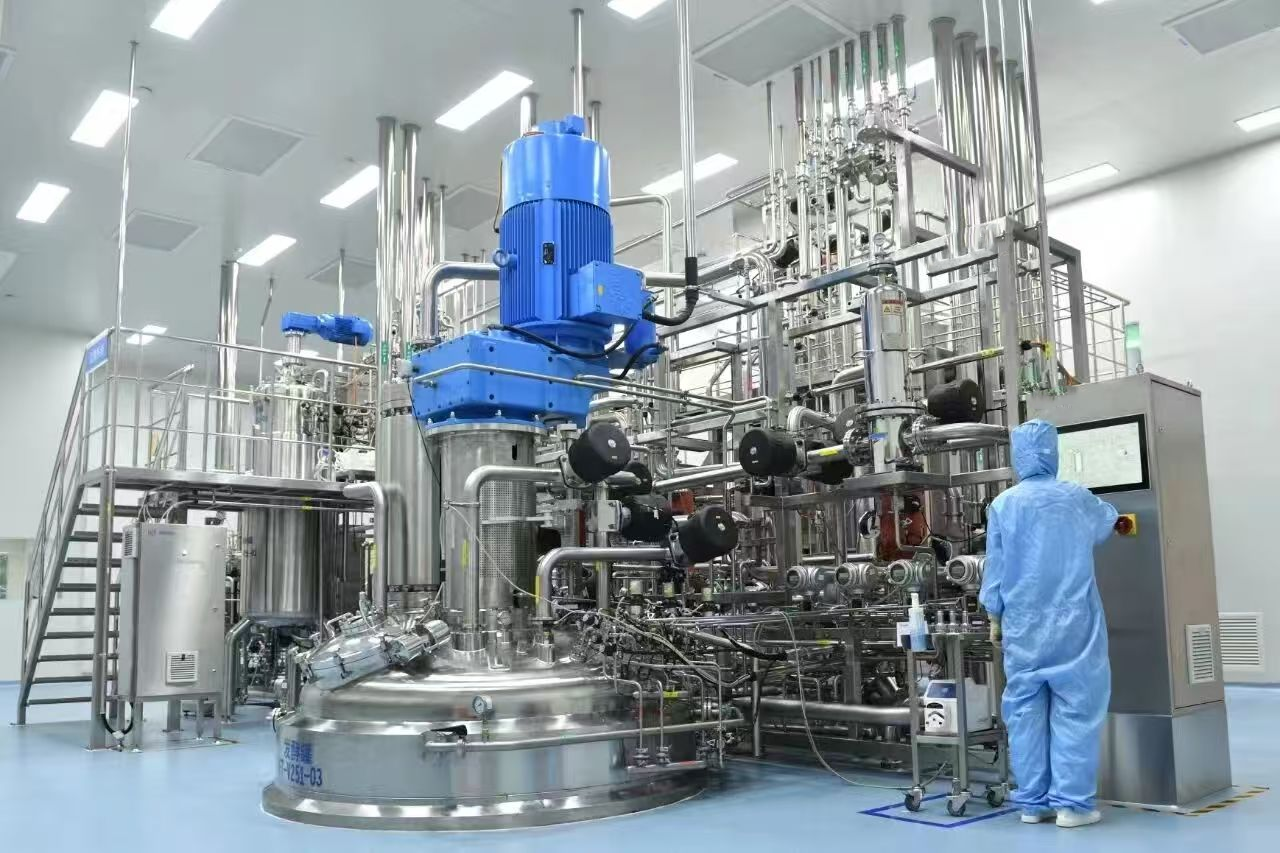
As the biopharmaceutical industry has matured, bioprocesses have evolved from low-yielding to highly-productive in just two decades. Underlying reasons for this development include a……
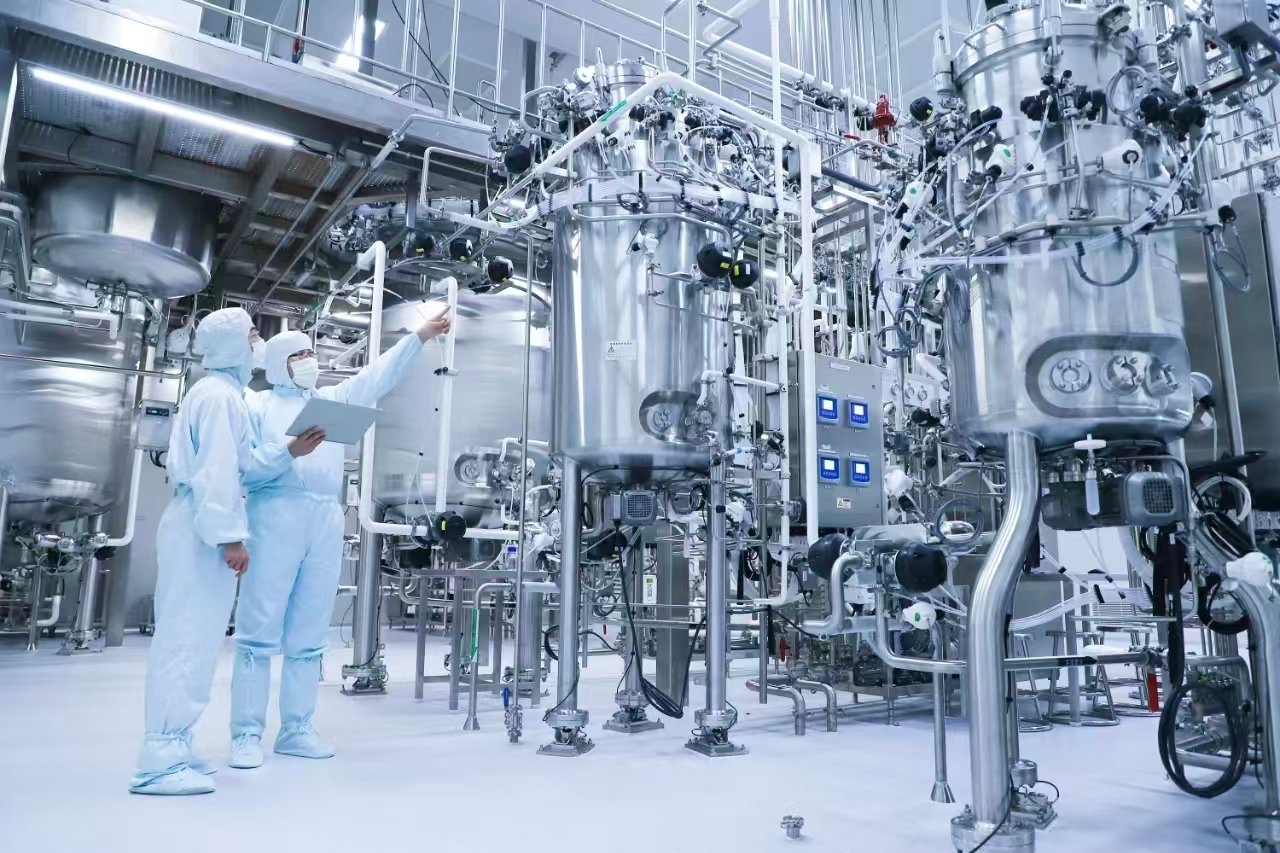
Before a production culture can start, there is a need to grow enough cells to inoculate the production reactor. This process is called the seed-train. Historically, not much attenti……
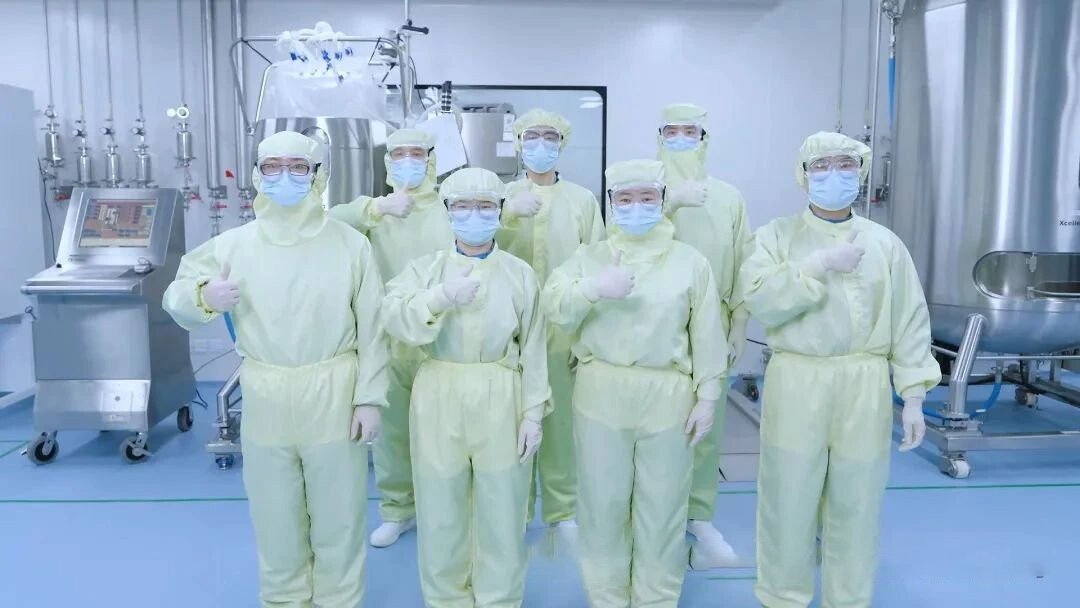
There are several different alternatives for how an upstream manufacturing process can be designed, but in principle they are all variations of just four principal modes of operation……

A number of developing trends in biomanufacturing have the potential to change the economics and operability of GMP manufacturing. In particular, closed processing and continuous pro……
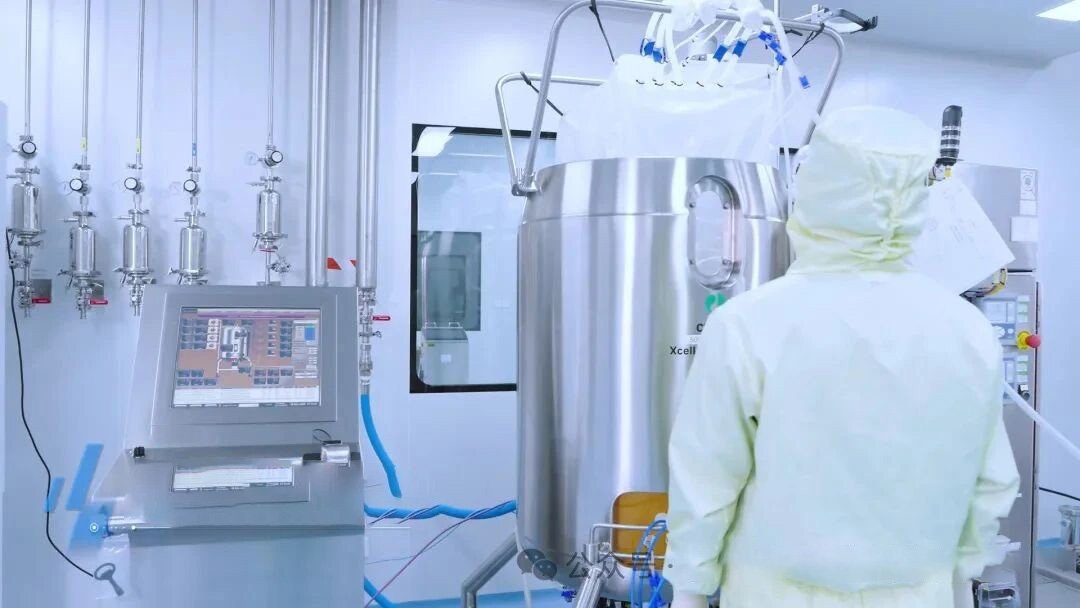
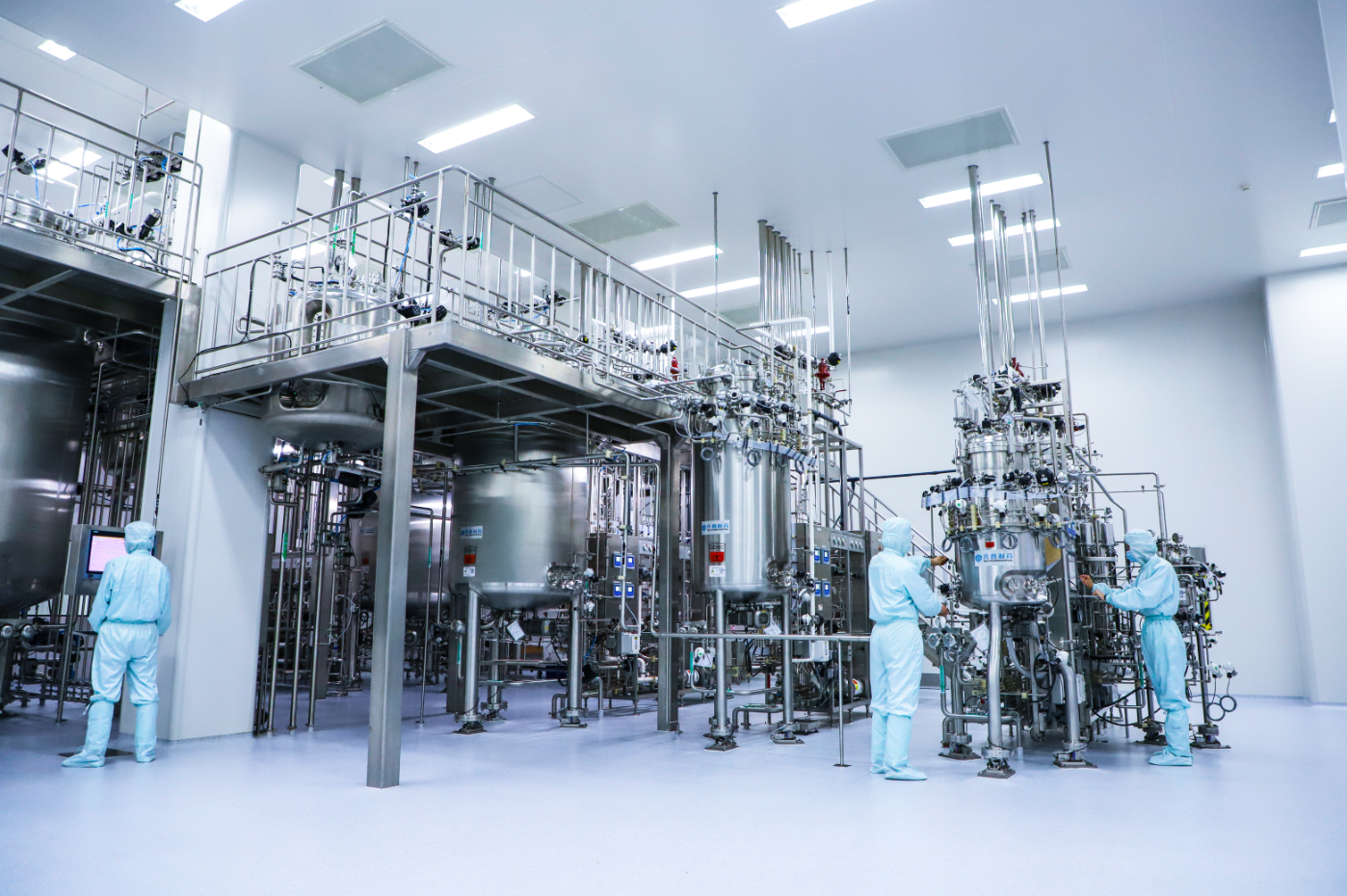
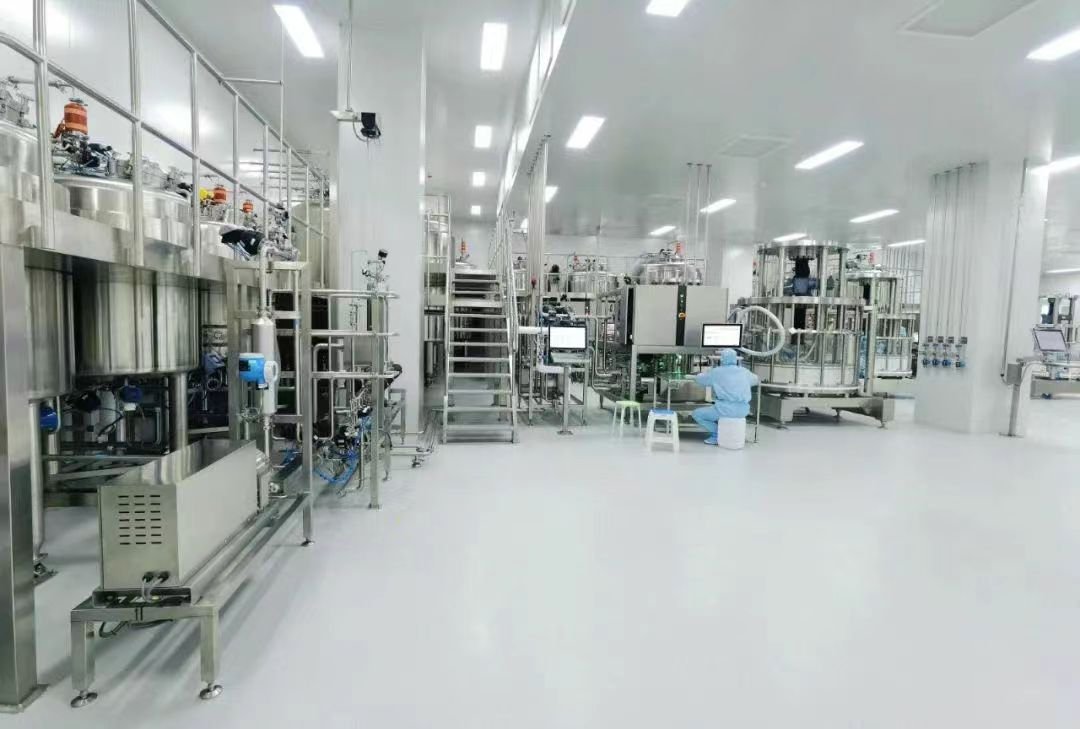
The optimal design and operation of a GMP manufacturing facility depend upon its purpose, including factors like the product type(s) to be manufactured and whether the facility is in……