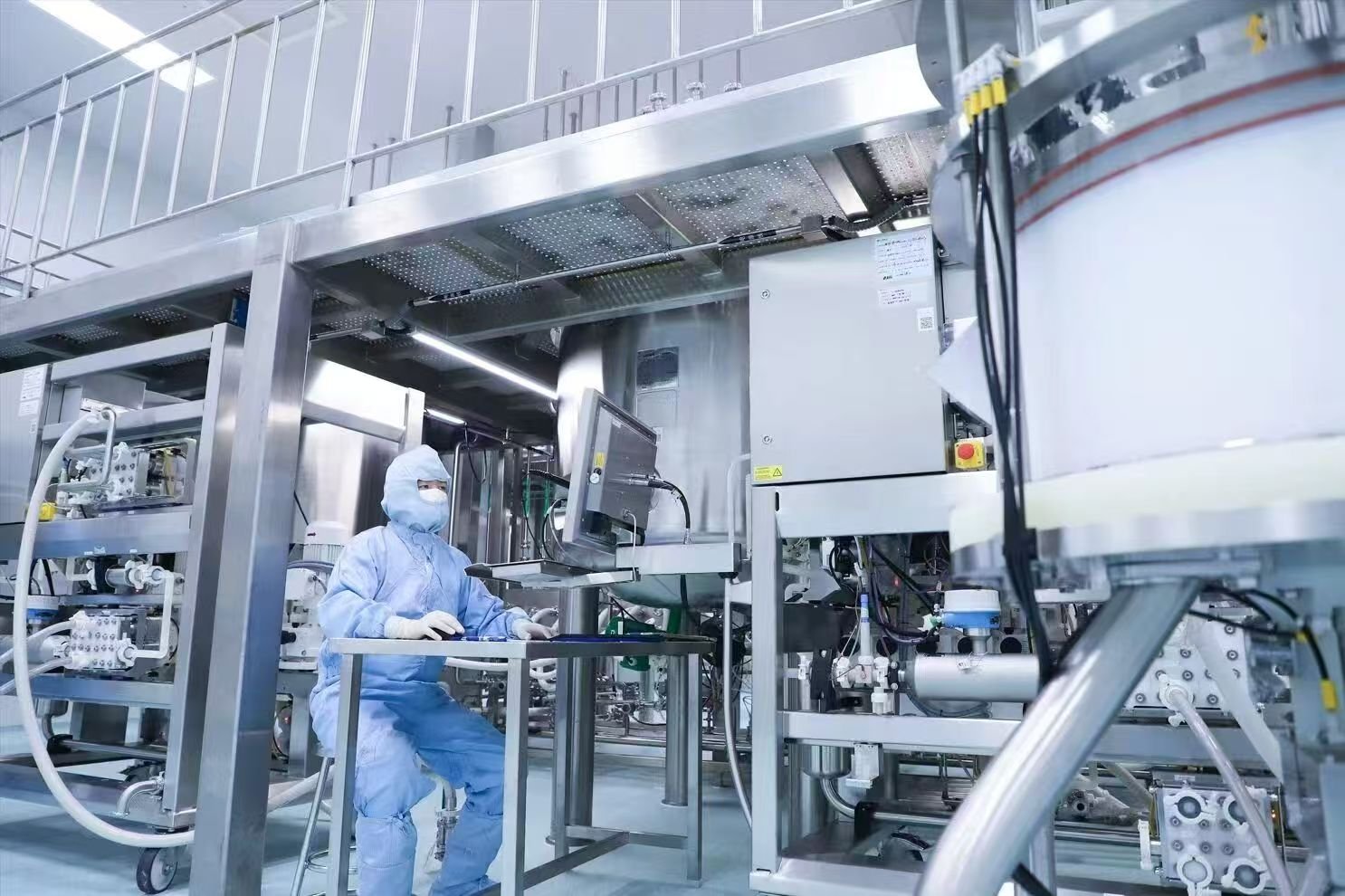


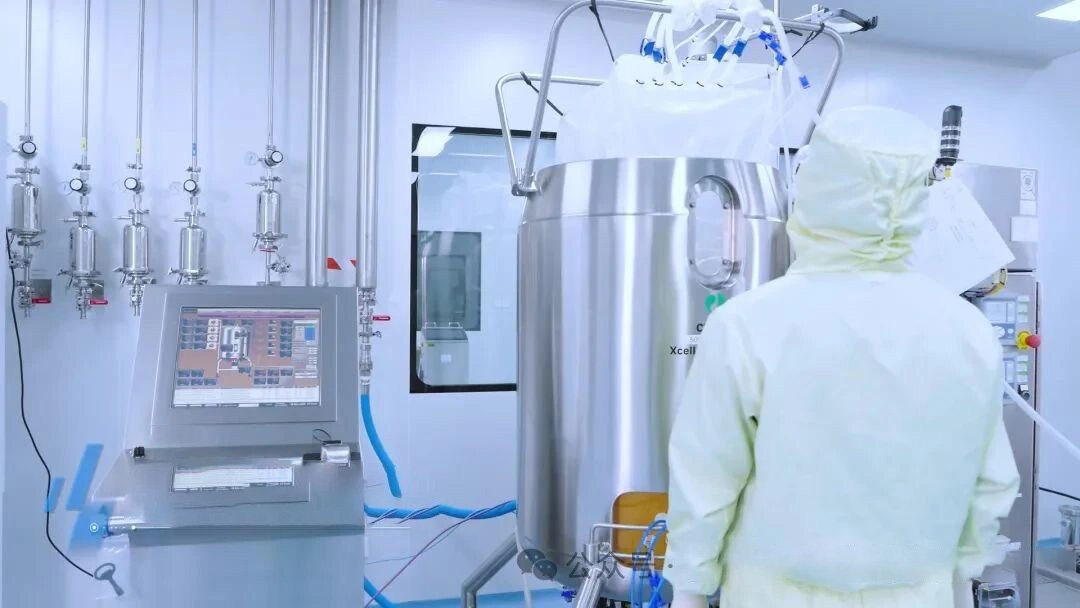
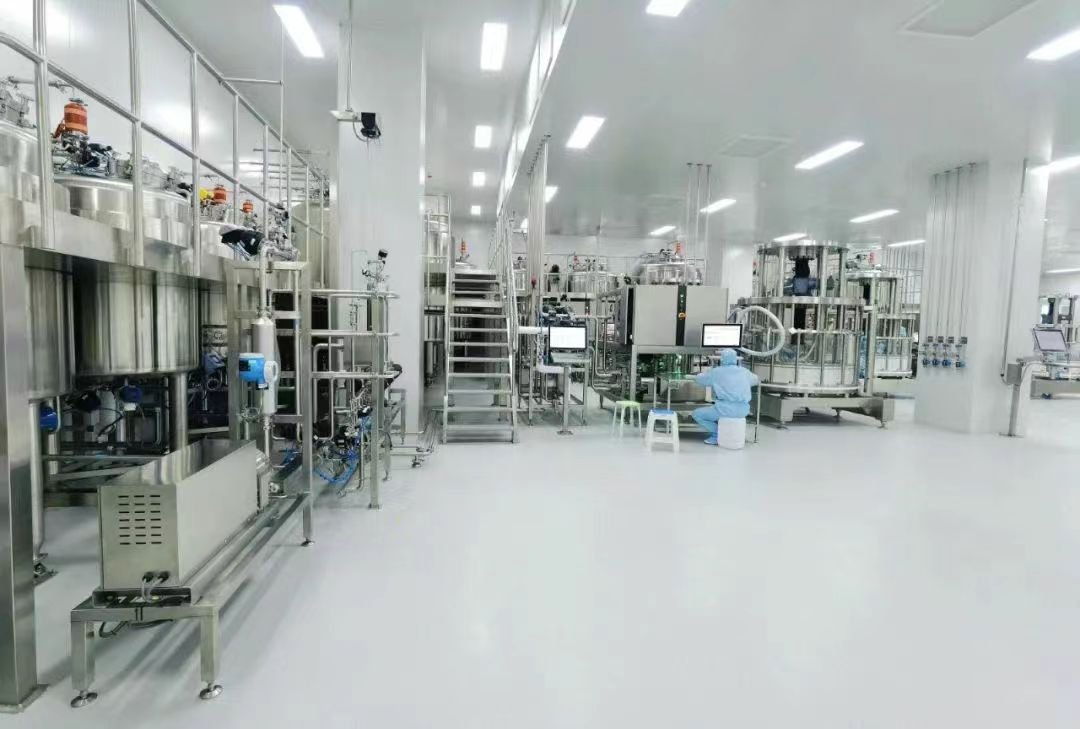
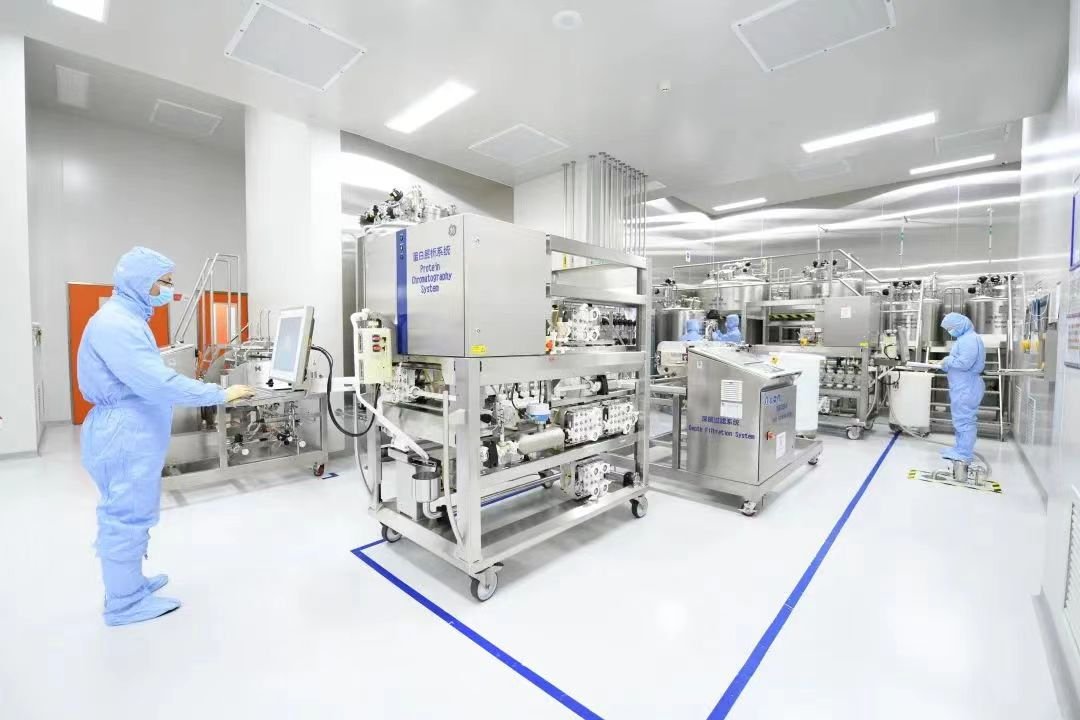
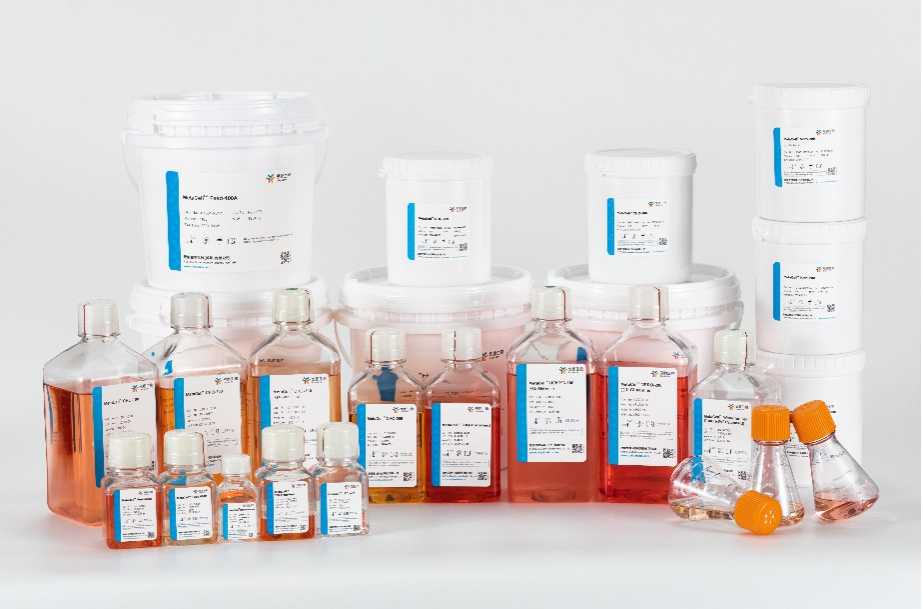
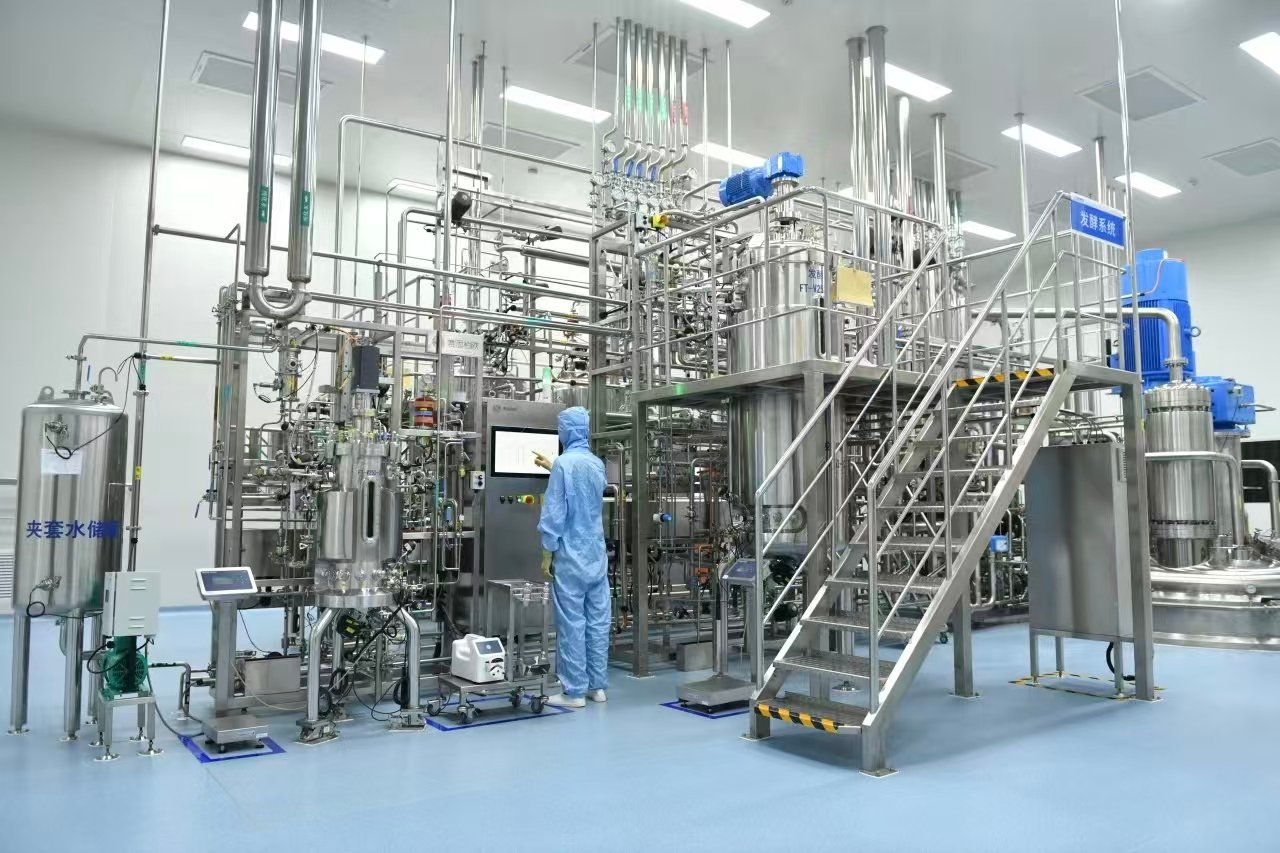
A cell culture process is typically developed in bench scale bioreactors and then scaled up for commercial production. However, although the recent advances in cell technologies have……
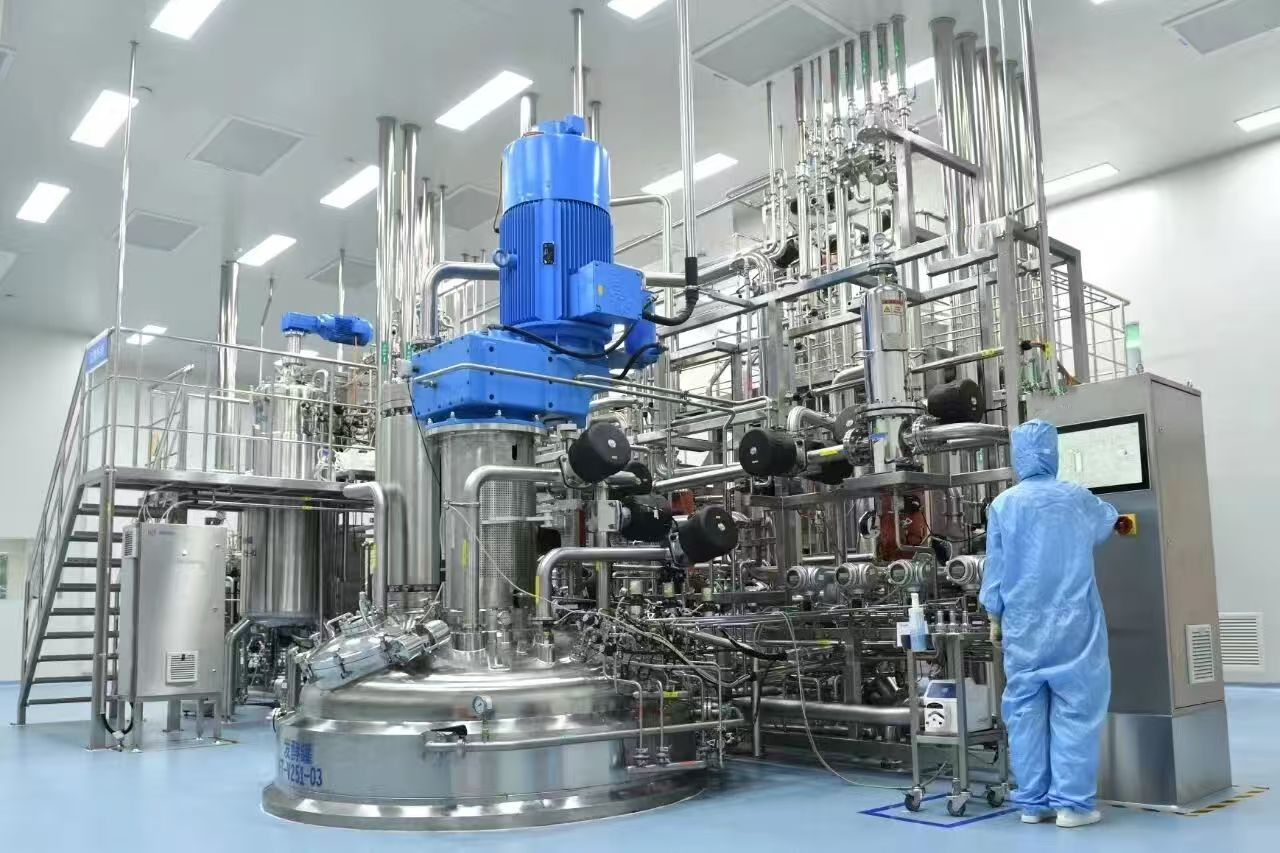
As the biopharmaceutical industry has matured, bioprocesses have evolved from low-yielding to highly-productive in just two decades. Underlying reasons for this development include a……
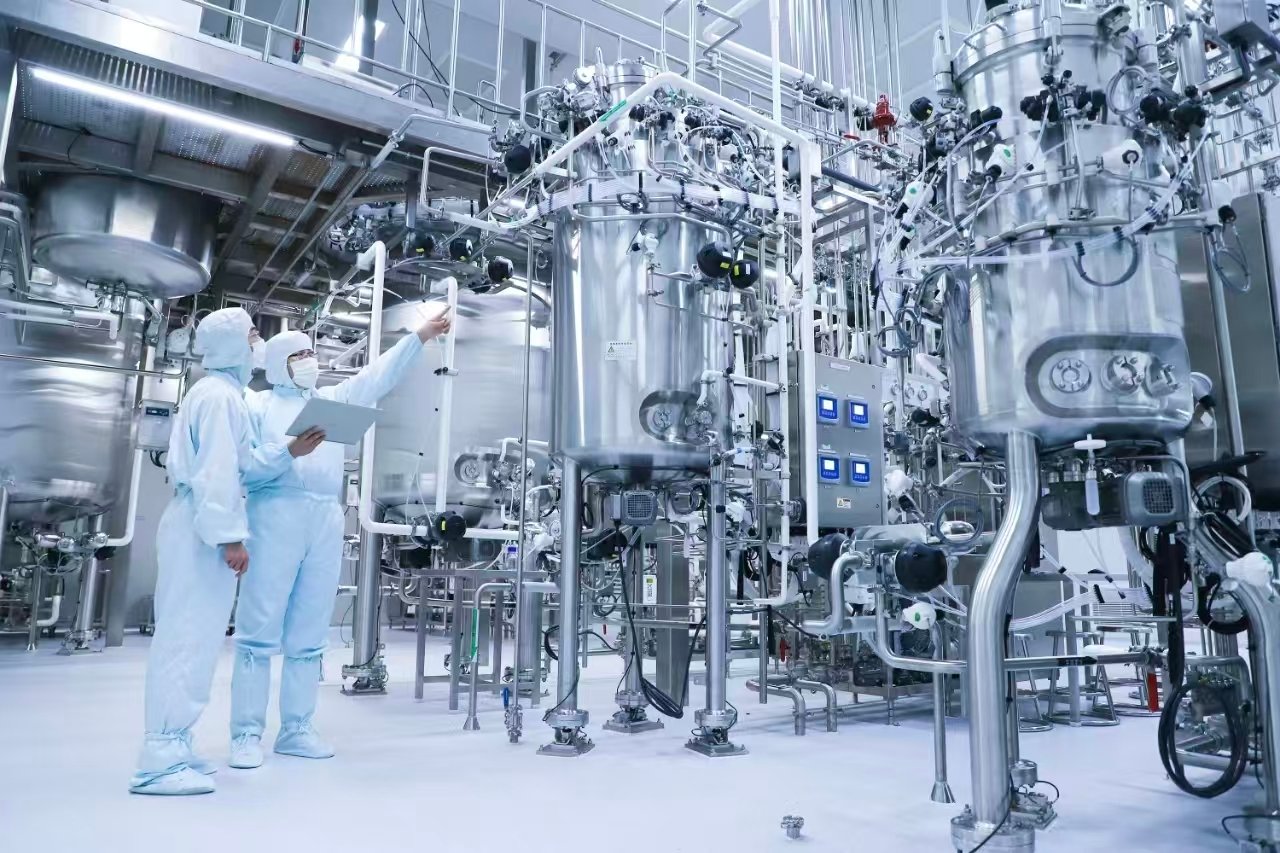
Before a production culture can start, there is a need to grow enough cells to inoculate the production reactor. This process is called the seed-train. Historically, not much attenti……
There are several different alternatives for how an upstream manufacturing process can be designed, but in principle they are all variations of just four principal modes of operation……
A number of developing trends in biomanufacturing have the potential to change the economics and operability of GMP manufacturing. In particular, closed processing and continuous pro……
The optimal design and operation of a GMP manufacturing facility depend upon its purpose, including factors like the product type(s) to be manufactured and whether the facility is in……
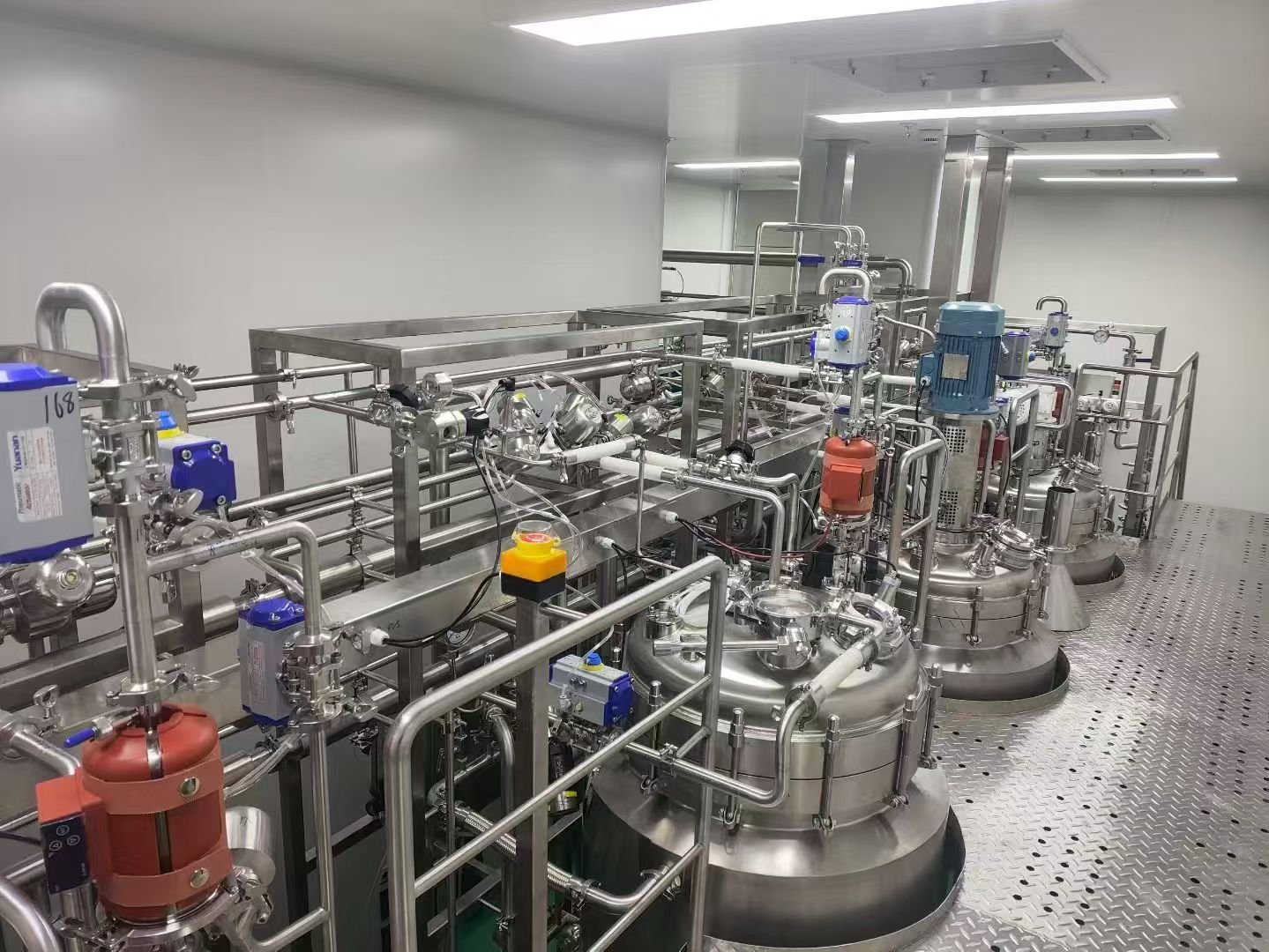
To ensure correct working order and control over the different functional elements, the facility is overseen by two high-level, interdependent, but separate, control systems. These a……
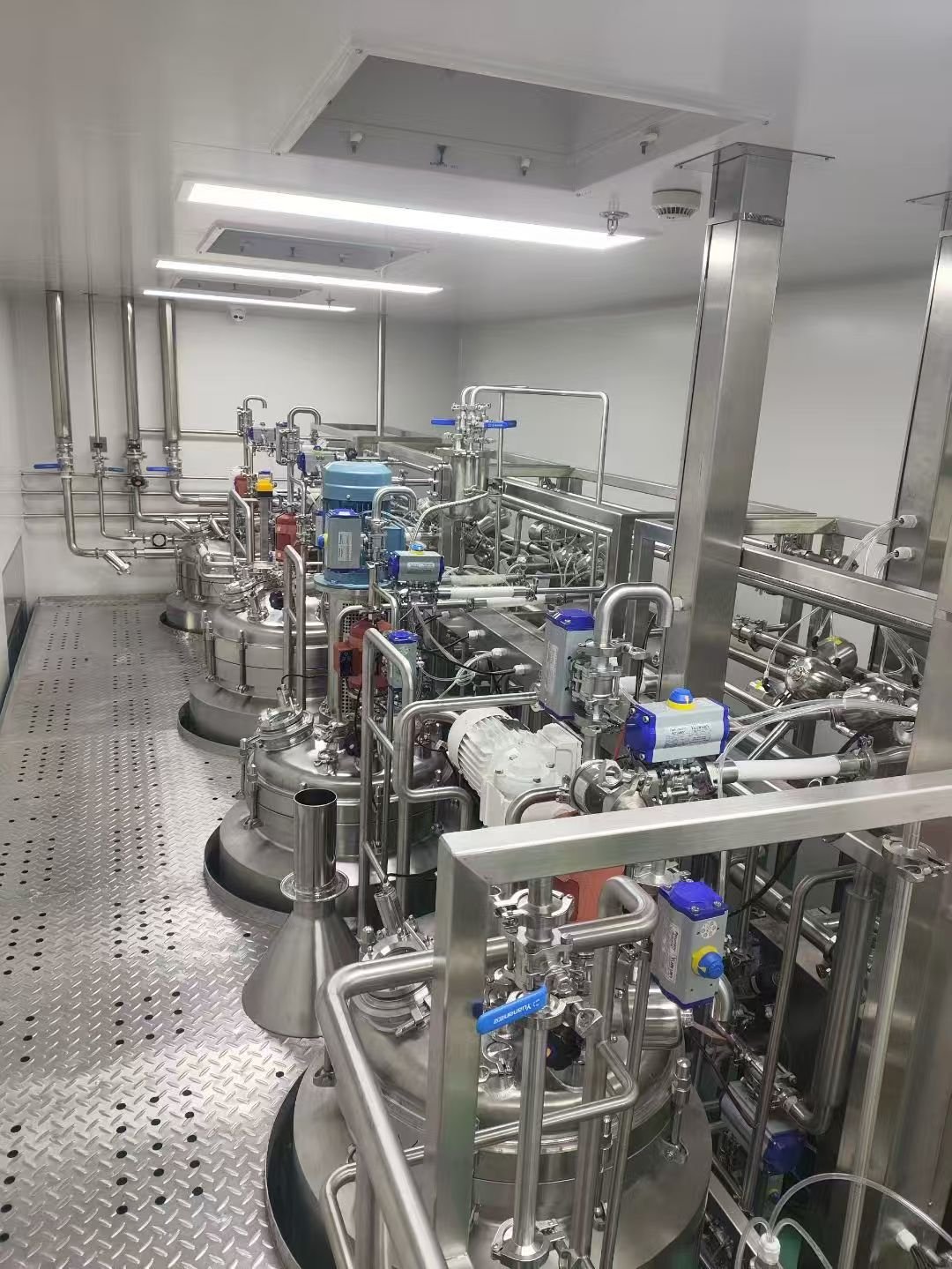
The importance of the design and installation of systems for supplying utilities that do not come into contact with products (e.g., heating steam, control air, coolants) is often und……
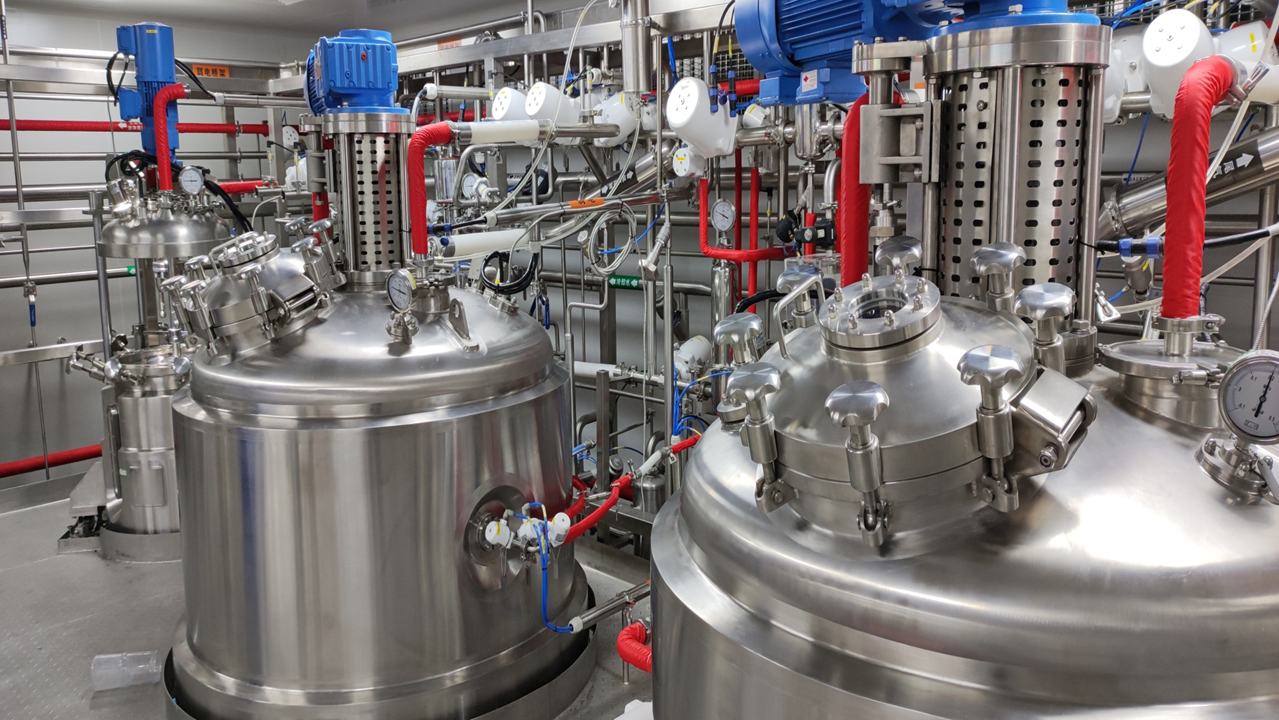
Large quantities of waste will be generated from the biopharmaceutical facility during production. The vast majority of this waste emanates from the production process, but waste als……
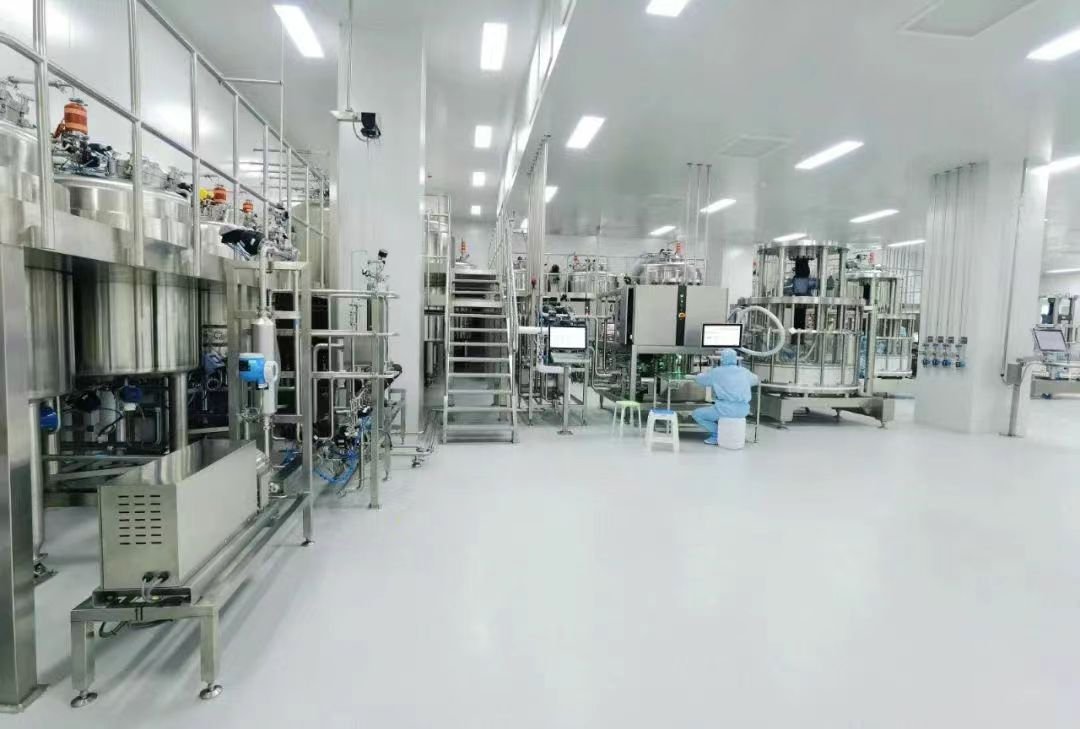
Biopharmaceutical clean rooms typically house processes and equipment requiring utilities such as water, electricity, and compressed air. The sources of these utilities are usually l……
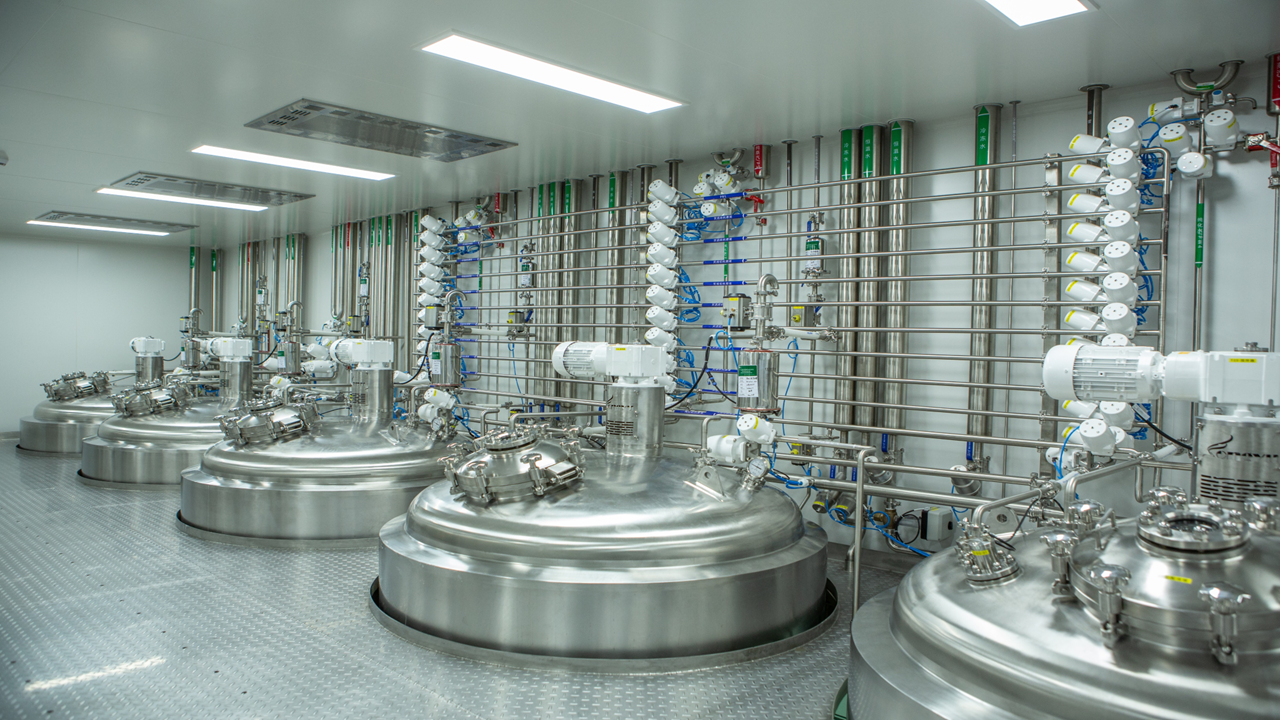
The HVAC system is fundamental to achieving the control of the environmental conditions within the biopharmaceutical facility. This is to provide workers with a comfortable working e……
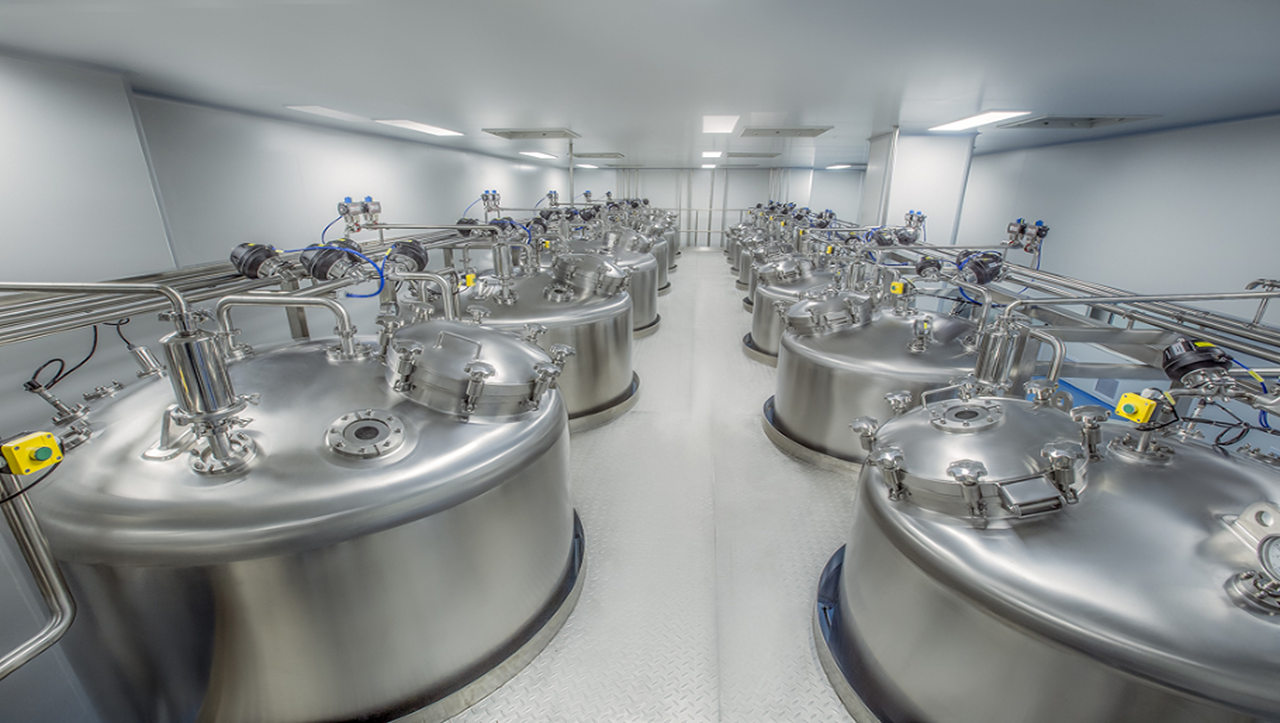
Single-use systems have, in the last decade, become a fully accepted component in biopharmaceutical production. Their uptake has been predominantly in the use of buffer and cell cult……
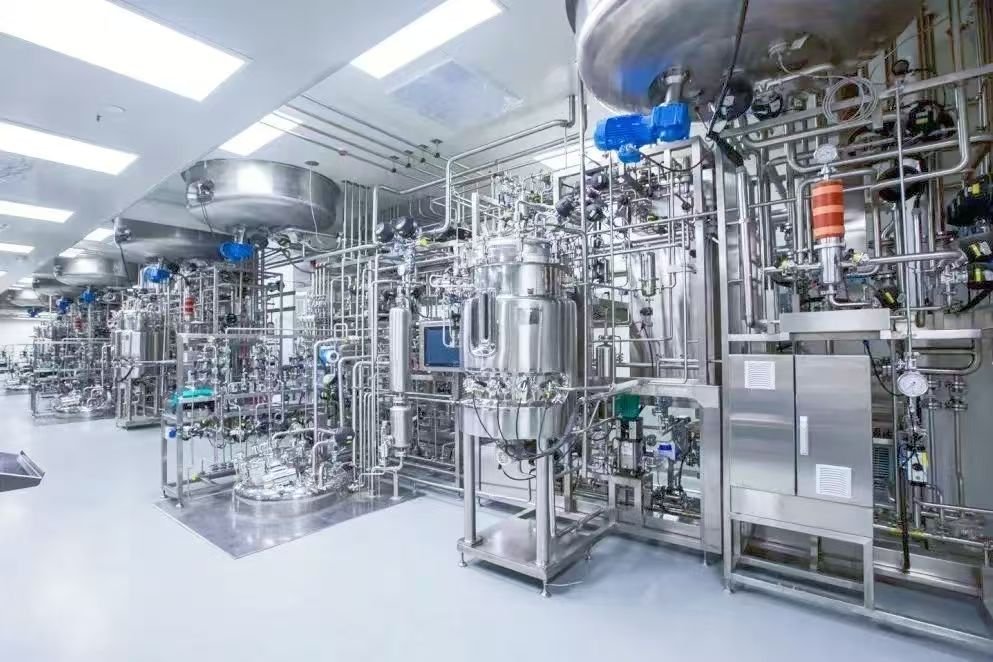
Instead of the huge, 10-ton, or even higher, annual production scale facilities for one single biopharmaceutical product, it seems more likely that many current and most future facil……
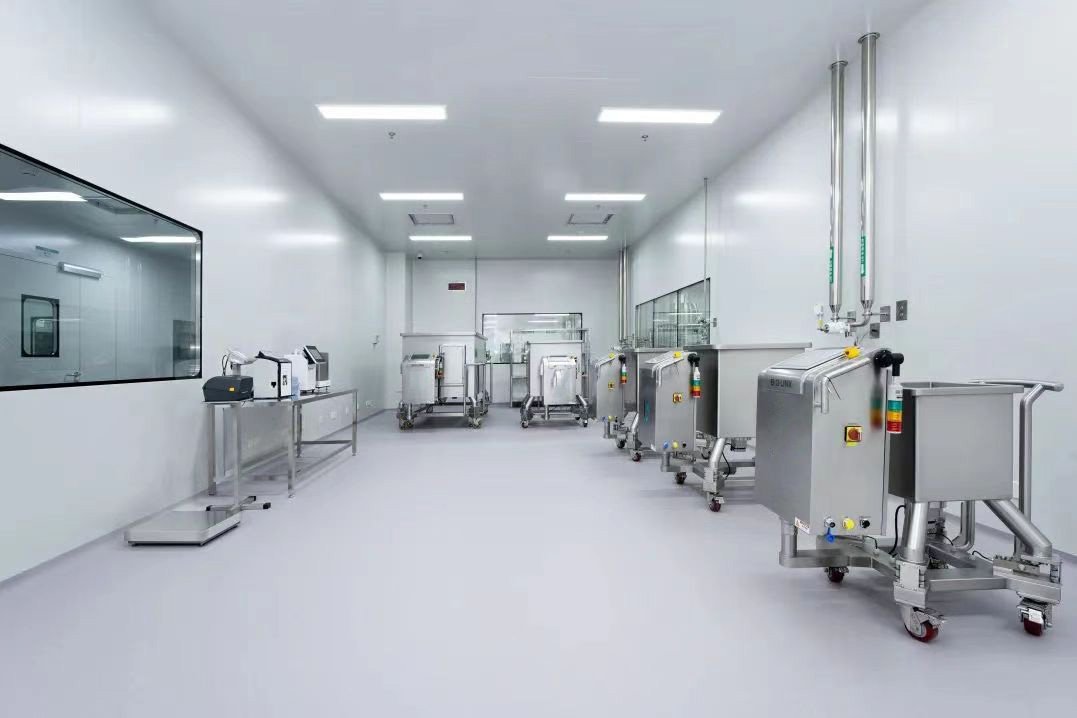
A significant issue in complying with cGMP regulations is the decision that the designer needs to make concerning the balance between physical facility solutions and procedural solut……
Segregation practices form the fundamental design strategy for the prevention of cross- contamination and protection of quality of the final bulk and intermediate products throughout……
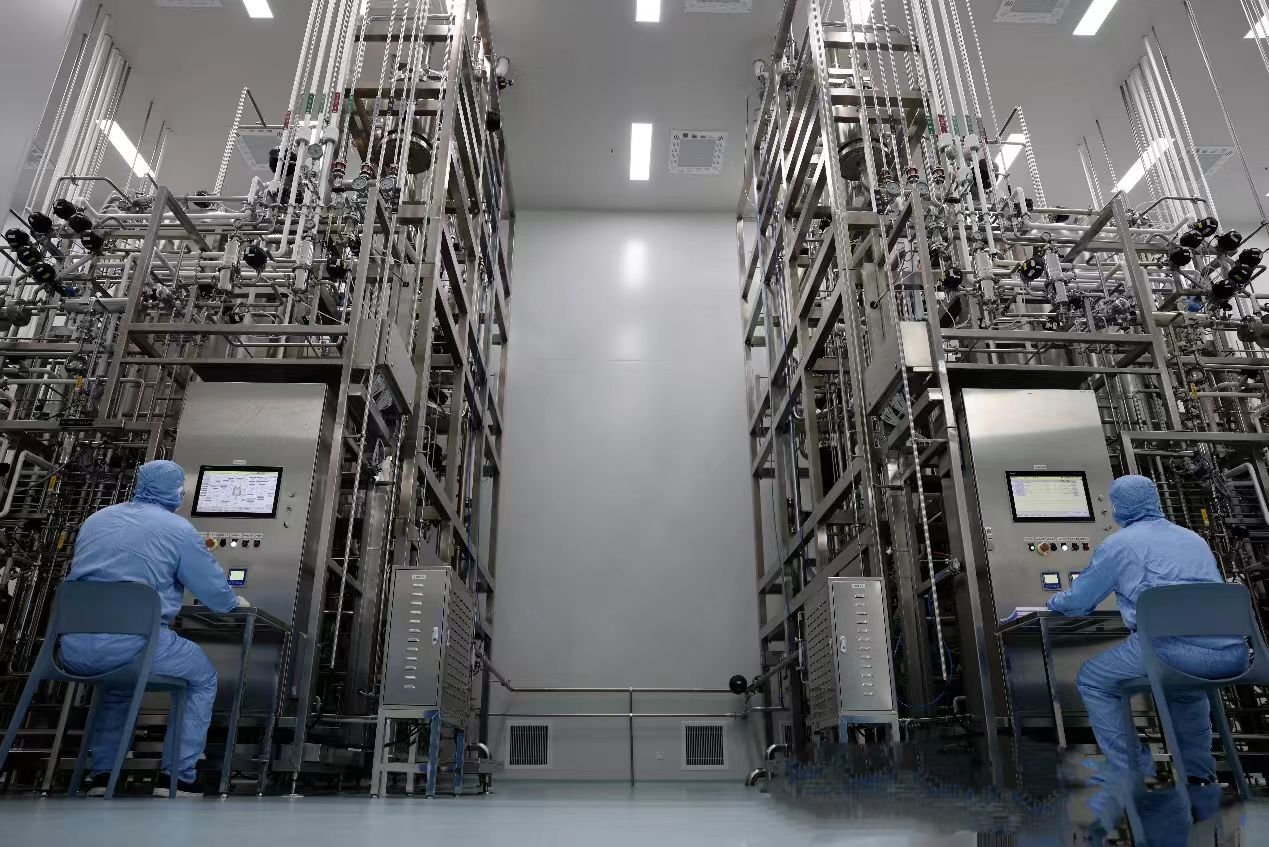
Once the production capacity of the facility is determined, the overarching boundaries and constraints of the facility design are fixed. Regardless of the differing variables effecti……